
Level 1 sweep and inspection to the NFPA 211 annual standard - flue, crown, cap, and flashing checked and photographed
Chimney sweep logs do not sweep chimneys. They loosen some creosote - which then falls where a brush and vacuum still have to collect it.
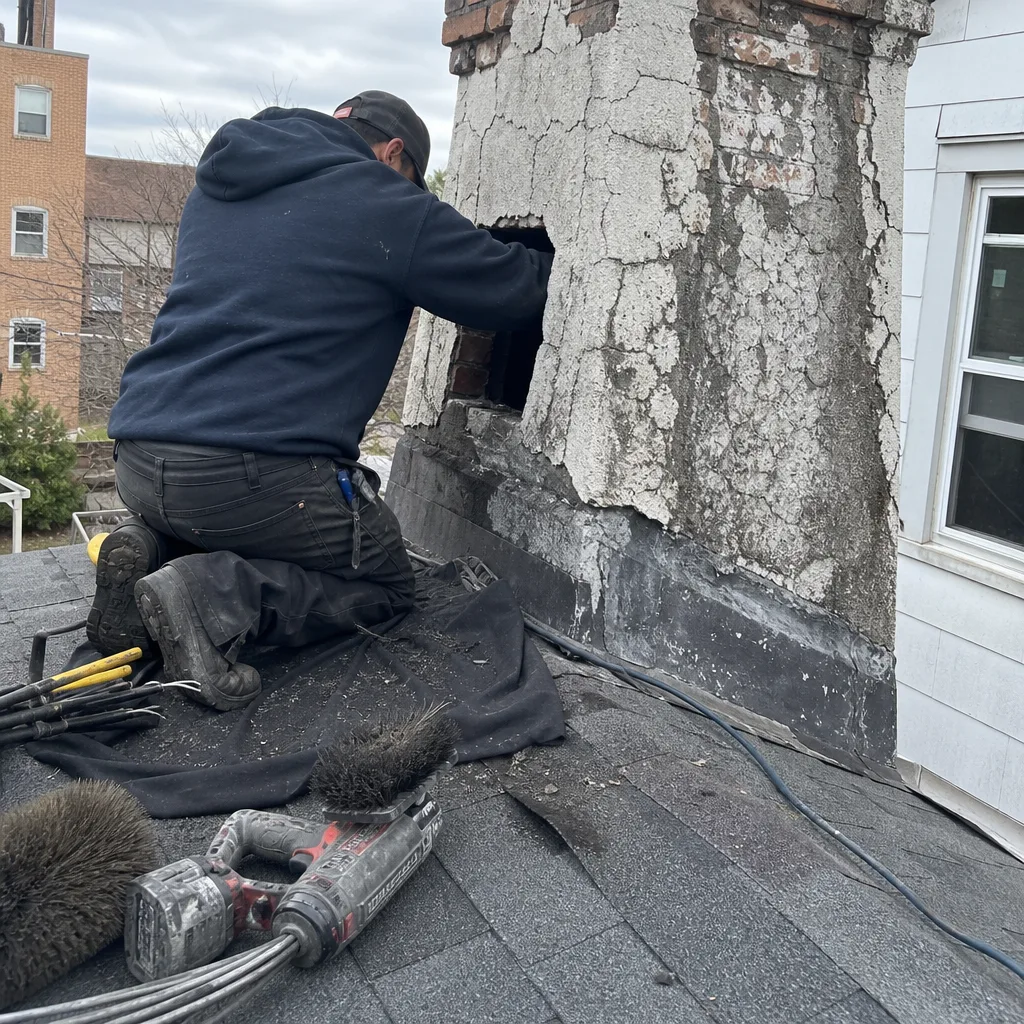 Before
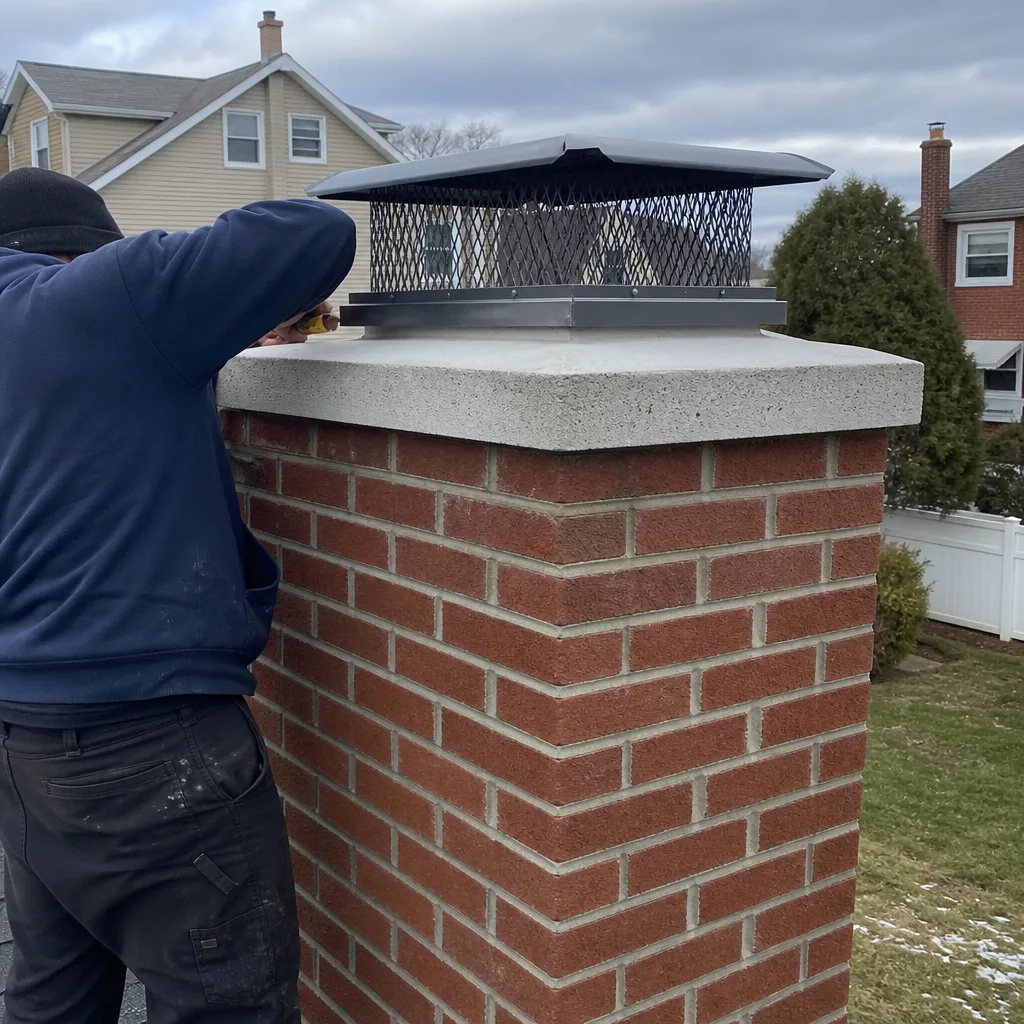 After
After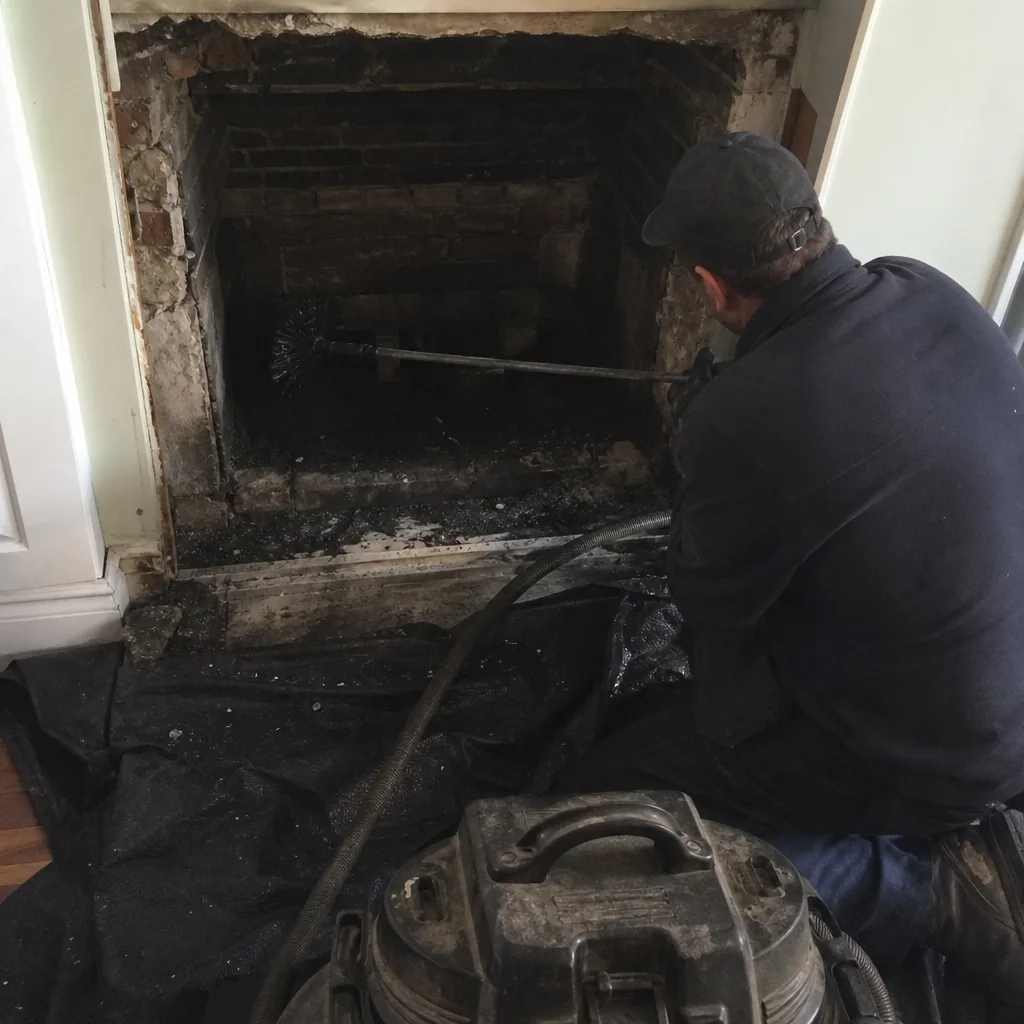 Before
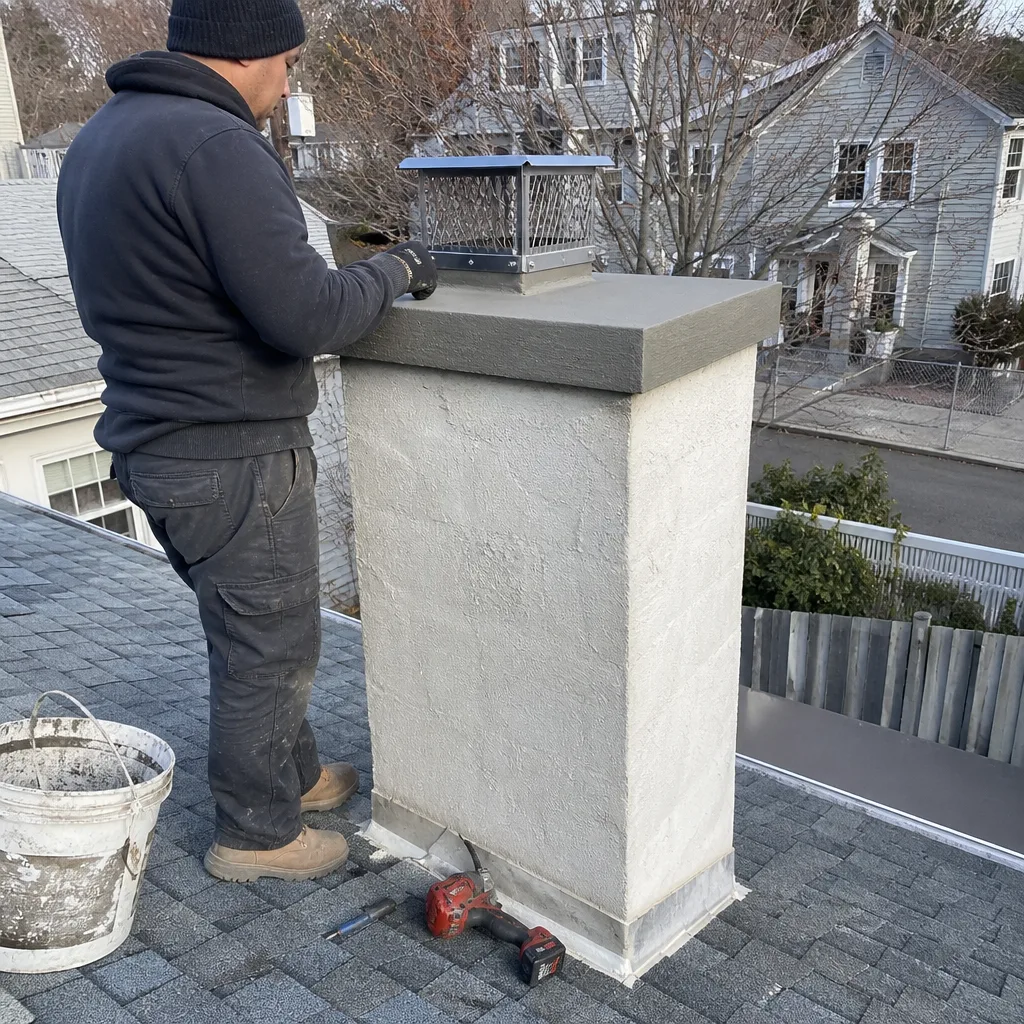 After
After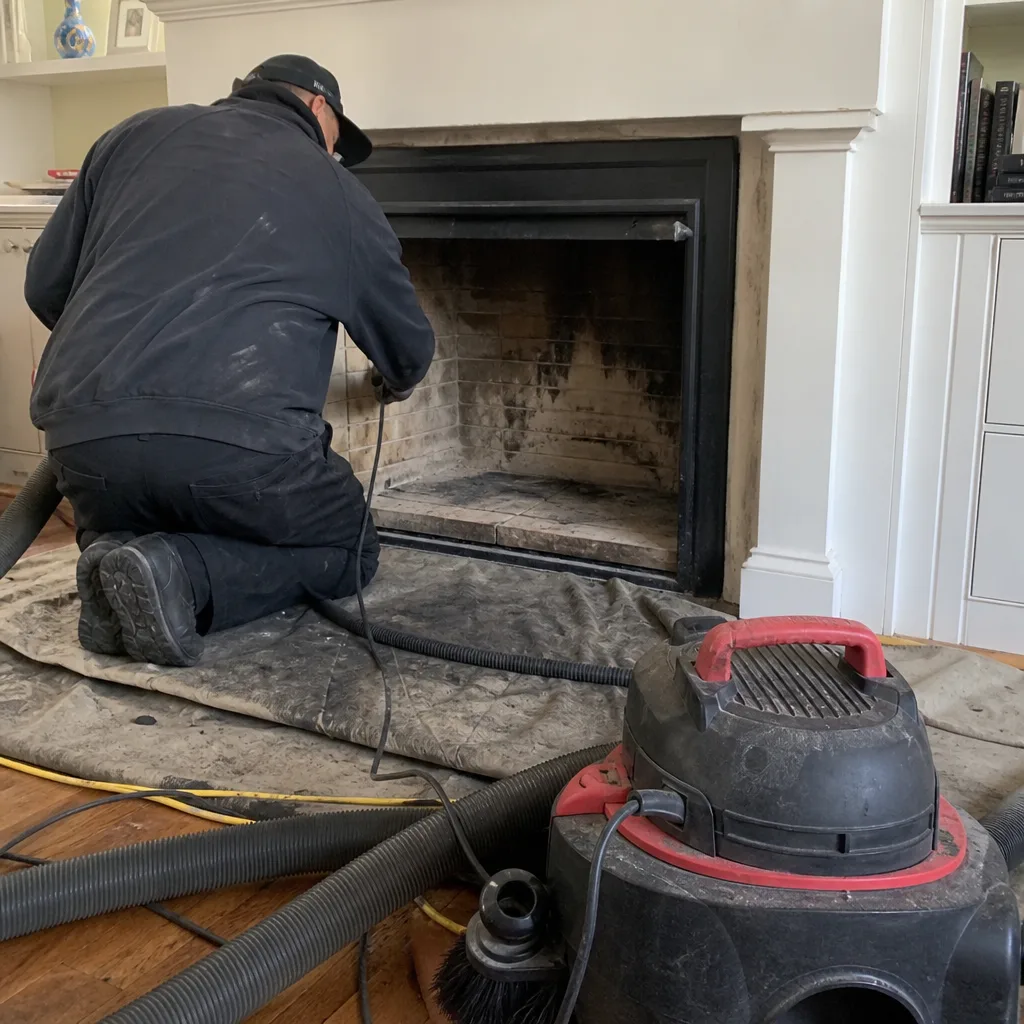 Before
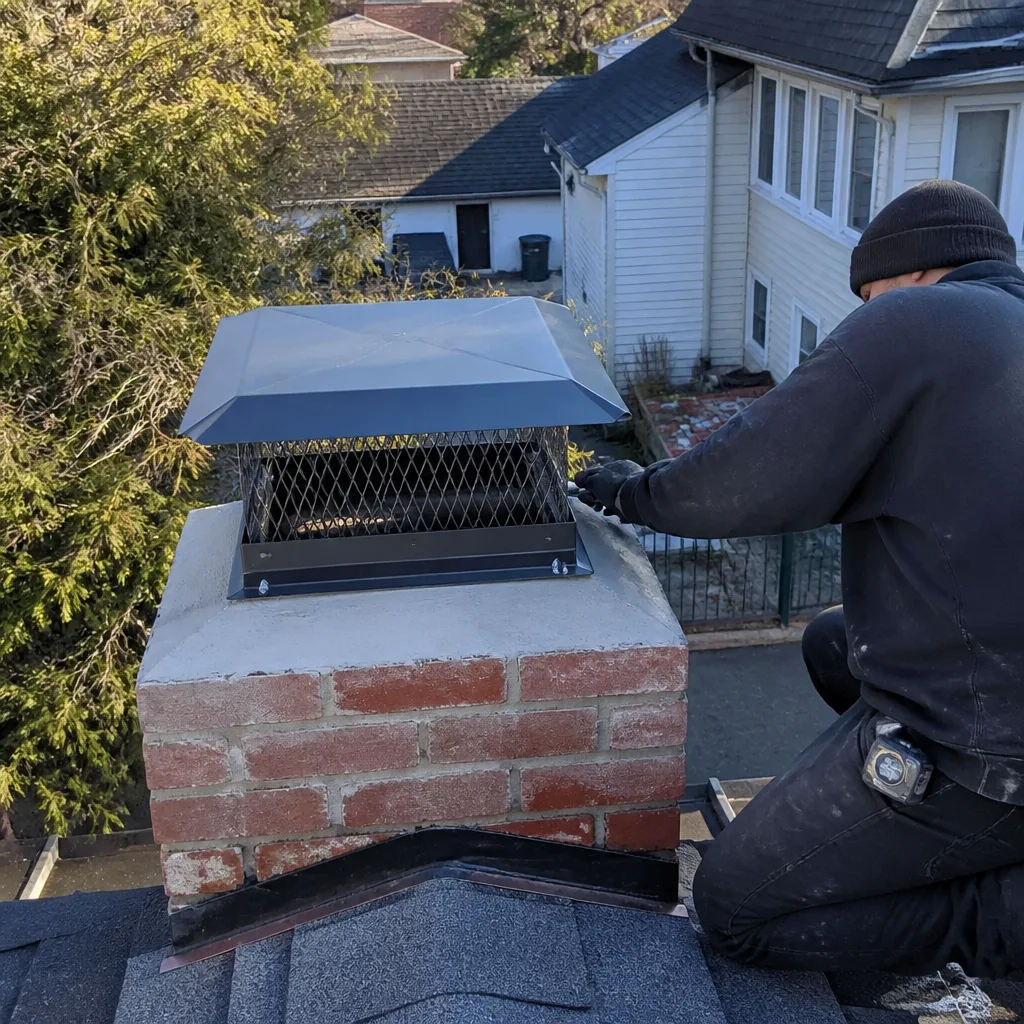 After
AfterCreosote Removal in Jersey City, NJ
Creosote removal is the process of breaking down and extracting the hardened, flammable deposits that wood smoke leaves inside your flue – deposits that are the leading cause of chimney fires in the United States. In Jersey City, where a lot of older row homes and brownstones were built with fireplaces designed for coal or soft wood and are now burning seasoned hardwood (or sometimes not-quite-seasoned wood bought at a corner lot), we see creosote build-up accelerate faster than homeowners expect. If you’ve noticed a sharp, tar-like smell coming from your fireplace, or if your last Chimney Cleaning & Sweep services visit was more than a year ago and you’ve had a regular fire season, there’s a good chance you’re overdue.
Hearthstone Chimney Co. has been clearing creosote from Jersey City chimneys since 1984 – over 42 years of work in these exact flues, with these exact weather patterns. Russell Haines leads every service team under the same standard: document what’s there, remove it properly, and leave the homeowner with photos and a plain-English report so they know exactly what was done and why. Our Chimney Cleaning & Sweep in Jersey City service covers the full annual visit, and creosote removal is the most consequential part of that work. To schedule or to ask a question, call us at (732) 507-9649 – a live person picks up, day or night.
Why Creosote Is a Serious Problem in Jersey City Homes
Creosote forms whenever wood smoke cools before it fully escapes the flue. The byproducts of combustion – unburned carbon particles, wood tars, and moisture – condense on the flue liner and harden over time. What starts as a soft, dusty layer (first-degree creosote) can progress into a thick, glazed, tar-like coating (third-degree creosote) that is genuinely difficult to remove and burns at temperatures above 2,000 degrees Fahrenheit if ignited.
Jersey City’s housing stock makes this problem specific and worth taking seriously. Many homes in the Heights, Bergen-Lafayette, and Greenville neighborhoods were built between 1880 and 1930 with clay tile flue liners sized for coal stoves. Those liners are narrower than modern code recommends for a wood-burning fireplace, which means slower draft, lower flue temperatures, and faster creosote accumulation. Add in the fact that many of these homes sit on tight lots where trees and adjacent buildings can create negative pressure at the chimney top – something we see regularly in the blocks around Lincoln Park – and you have conditions where even a careful homeowner burning good wood can build up a problematic layer in a single season.
Third-degree, glazed creosote is the form that causes chimney fires. A chimney fire does not always announce itself with flames shooting from the top; it often burns quietly inside the flue, cracking clay tile liners and buckling mortar joints in ways that won’t be visible until a Level 2 Inspection with a camera. That’s why removal and inspection go together – you can’t assess the liner’s condition honestly until the creosote is gone.
When You Need Creosote Removal
You don’t have to wait for a crisis. These are the situations where we’d tell you to call without delay:
- A sharp, acrid, or tar-like smell from the fireplace when it’s not in use. That odor is third-degree creosote off-gassing, especially common in Jersey City’s humid summers when moisture activates the deposits. It’s also a sign the build-up is thick enough to treat as a hazard.
- Visible black, oily, or shiny deposits inside the firebox or on the damper. First-degree creosote looks powdery and grey; second-degree looks flaky and black; third-degree looks like hardened tar or thick foam. If you can see any of them clearly from the firebox opening, the flue above is worse.
- More than one cord of wood burned this season without a cleaning. NFPA 211 recommends annual inspections, but in Jersey City homes with older, narrower flues, one active season is often enough to accumulate a level that warrants removal.
- A fire that burned unusually hot, roared, or produced a rumbling sound. These are the classic signs of a chimney fire. Even a small one can crack a liner. The creosote needs to come out and the flue needs a camera inspection before you light another fire.
- You’ve recently purchased a home and have no inspection records. We see this regularly with new buyers in Paulus Hook and Journal Square – the seller had no documentation, the home inspector noted “fireplace present” and moved on, and nobody actually looked inside the flue. That’s a gap worth closing before winter.
- You switched from gas logs to wood burning, or started burning wood more frequently. Gas produces almost no creosote; wood produces significant amounts. The transition period is when build-up accelerates fastest.
Our Creosote Removal Process
We do this in a specific order because order matters. Removing creosote before you know what’s inside the flue means you might disturb deposits sitting over a cracked liner and never find the crack. Here’s how a Hearthstone visit runs:
- Pre-removal Level 2 camera inspection. Before any brushes go in, Russell or one of our background-checked technicians runs a camera down the full length of the flue. You see the footage on a monitor at the job site. We note the degree of creosote, the condition of the liner, and any structural concerns – documented with photos. This is what separates a real assessment from a sweep-and-leave visit.
- Prep and containment. We lay drop cloths over your hearth and the surrounding floor, seal the firebox opening with a dust barrier, and set up a HEPA-filtered vacuum to maintain negative pressure in the flue cavity. In row homes and brownstones – which are most of what we work in across Jersey City – containing the soot and creosote dust matters because neighboring rooms are close and air circulates freely.
- Mechanical brushing and rotary cleaning. For first- and second-degree creosote, professional-grade rotary brushes sized to your specific flue dimensions do most of the work. For third-degree glazed creosote, we apply a chemical treatment – using products sourced through Copperfield and Olympia Chimney supply lines – that converts the hard glaze into a more brittle, brushable material before mechanical removal begins. This is not a one-step spray-and-done process; the chemical needs time to work, and then the mechanical step follows.
- Full debris extraction. Loosened creosote and soot fall into the vacuum system and are bagged and removed from your home. We don’t leave a pile of debris in the firebox and call it done.
- Post-removal inspection and photo documentation. Once the flue is clear, we run the camera a second time. This is when liner cracks, spalling mortar, and deteriorated joints become visible that were hidden before. You get a plain-English summary of what we found: what’s good, what needs watching, and what needs repair – with photos you can hold onto.
- Final report and recommendation. If repairs are needed – a liner replacement, a HeatShield application, or a crown repair – we explain the options and give you an upfront number before any additional work begins. No surprises on the bill. The estimate number is the invoice number.
Creosote Removal Pricing in Jersey City
Creosote removal in Jersey City typically runs between $199 and $599 for a standard residential flue, depending on the degree of build-up and the length and configuration of the flue system. Most single-fireplace homes in the Heights or Bergen-Lafayette come in toward the lower end of that range if the chimney has been cleaned within the last two years. Homes with multiple fireplaces, long flues, or significant third-degree glazing run higher – and in some cases a two-visit approach is required for heavily glazed deposits.
| Condition / Scope | Typical Range |
|---|---|
| First-degree creosote, single flue (standard annual cleaning) | $199 – $299 |
| Second-degree creosote, single flue | $299 – $399 |
| Third-degree (glazed) creosote, single flue – chemical + mechanical | $399 – $599 |
| Each additional flue (same visit) | $99 – $199 |
| Level 2 camera inspection (included with creosote removal) | Included |
A few things affect the final number beyond the degree of build-up. Older clay tile flues in narrow pre-war construction take longer to clean safely than a modern stainless liner. Flues with offsets or multiple elbows – common in the older brownstones in Harsimus Cove – require more time and sometimes specialized tooling. We’ll know the scope within the first few minutes of the camera inspection, and you’ll have the upfront number before we proceed.
Current standing offers: $50 off any repair over $250, and a permanent 5% discount for seniors and veterans. Estimates are always free. Call (732) 507-9649 for an exact quote on your specific flue.
Key Takeaways
- Creosote is the primary cause of chimney fires, and Jersey City’s older, narrower flues accumulate it faster than modern construction.
- Third-degree glazed creosote requires a two-step chemical-plus-mechanical process – a simple brushing won’t remove it.
- A camera inspection before and after removal is the only way to know the liner’s true condition.
- Most single-flue creosote removal visits in Jersey City run $199 to $599, with the final number given upfront before work begins.
- All work is backed by the 90-Day Done Right Promise – in writing, no arguing. If it’s not right, we come back and make it right.
FAQs – Creosote Removal in Jersey City
How do I know if I have third-degree creosote and not just ordinary soot?
Third-degree creosote looks like hardened tar, thick black foam, or a shiny, glazed coating on the flue wall – it’s distinctly different from the grey, dusty soot of a clean burn or the flaky black deposits of second-degree build-up. From the firebox, you can sometimes see it on the lower damper area or the smoke chamber walls. But the honest answer is that you can’t reliably assess the upper flue without a camera. If your Fireplace Cleaning professional previously told you that you had “heavy build-up,” or if your fireplace smells strongly of tar in warm weather, assume third-degree until a camera says otherwise. Call us at (732) 507-9649 and we’ll give you a straight answer after the inspection.
Is it safe to use my fireplace while waiting for a creosote removal appointment?
No – if you have reason to believe you have significant creosote build-up, don’t use the fireplace until it’s been cleaned and inspected. A single fire can be enough to ignite a heavy creosote deposit, and a chimney fire in a Jersey City row home carries real risk to adjoining properties through shared walls. We staff the phone around the clock and can usually schedule within a day or two for situations that need prompt attention.
How often does creosote removal need to happen in Jersey City homes?
At minimum, once a year for any wood-burning fireplace that gets regular use – that’s the NFPA 211 standard, and it’s the right baseline. In Jersey City specifically, we’d say that older homes with clay tile flues, narrower-than-code flue dimensions, or homeowners burning more than one cord per season should expect to need cleaning after every active season. We see homes in Greenville and the Heights where two seasons of use without cleaning means genuine third-degree build-up. Annual is the floor, not the ceiling.
Can you remove creosote from a chimney liner without replacing it?
Usually, yes – removal doesn’t require a liner replacement, and cleaning always comes first. Once the creosote is out and a Level 1 Inspection with the camera has run a second pass, we assess the liner’s condition on its own merits. If the liner is intact, cleaning is the end of the story. If the camera shows cracked tiles or compromised mortar joints, we’ll discuss repair options – HeatShield resurfacing for minor damage, or a new DuraFlex stainless liner for more significant deterioration – and give you an upfront number before any additional work is authorized. The 90-Day Done Right Promise covers any repair we do in writing. Call (732) 507-9649 and let’s find out what you’re actually dealing with.
Why Jersey City Homeowners Choose Hearthstone Chimney Co.
There are a handful of sweep companies working Jersey City, and a few of the national chains make the rounds too. What we hear most often from homeowners who call us after a bad experience is some version of the same story: a crew came out, swept something, handed over an invoice, and left – with no documentation, no photos, and no clear explanation of what was actually found. Then a problem showed up six months later and nobody would come back.
Russell Haines started Hearthstone in 1984 with a different idea: document everything, stand behind it in writing, and be reachable when something goes wrong. Over 42 years, that’s become a standard we call the K.E.Y.S. values code – Krafted right, Every time, Your home first, Standing behind it. The 90-Day Done Right Promise is how that standard shows up on paper: if the work isn’t right, we come back and make it right, with no paperwork and no arguing required from you.
We also use materials that hold up. When we apply a chemical treatment for third-degree creosote, it comes from Copperfield and Olympia Chimney supply lines – the same professional-grade suppliers that qualified sweep companies across the country use. When a liner repair follows, the materials are DuraFlex or HeatShield, not builder-grade substitutes. The difference shows up in how long the repair lasts.
Our technicians are background-checked, uniformed, and in most cases will finish a creosote removal and inspection in a single visit. Upfront pricing means the number on the estimate is the number on the invoice – no additions discovered after the work is already done. And the phone is answered by a live person at any hour, because chimney problems don’t keep business hours and neither do we.
If you’re a homeowner in Jersey City with a fireplace you rely on, the best time to deal with creosote is before the heating season, not during it. Call (732) 507-9649 to schedule a free estimate – a real person will pick up, and we’ll give you a straight answer about what your chimney needs.
Written by Russell Haines, Owner at Hearthstone Chimney Co., serving Jersey City since 1984.