
Last updated September 10, 2026
Level 1 sweep and inspection to the NFPA 211 annual standard - flue, crown, cap, and flashing checked and photographed
Chimney sweep logs do not sweep chimneys. They loosen some creosote - which then falls where a brush and vacuum still have to collect it.
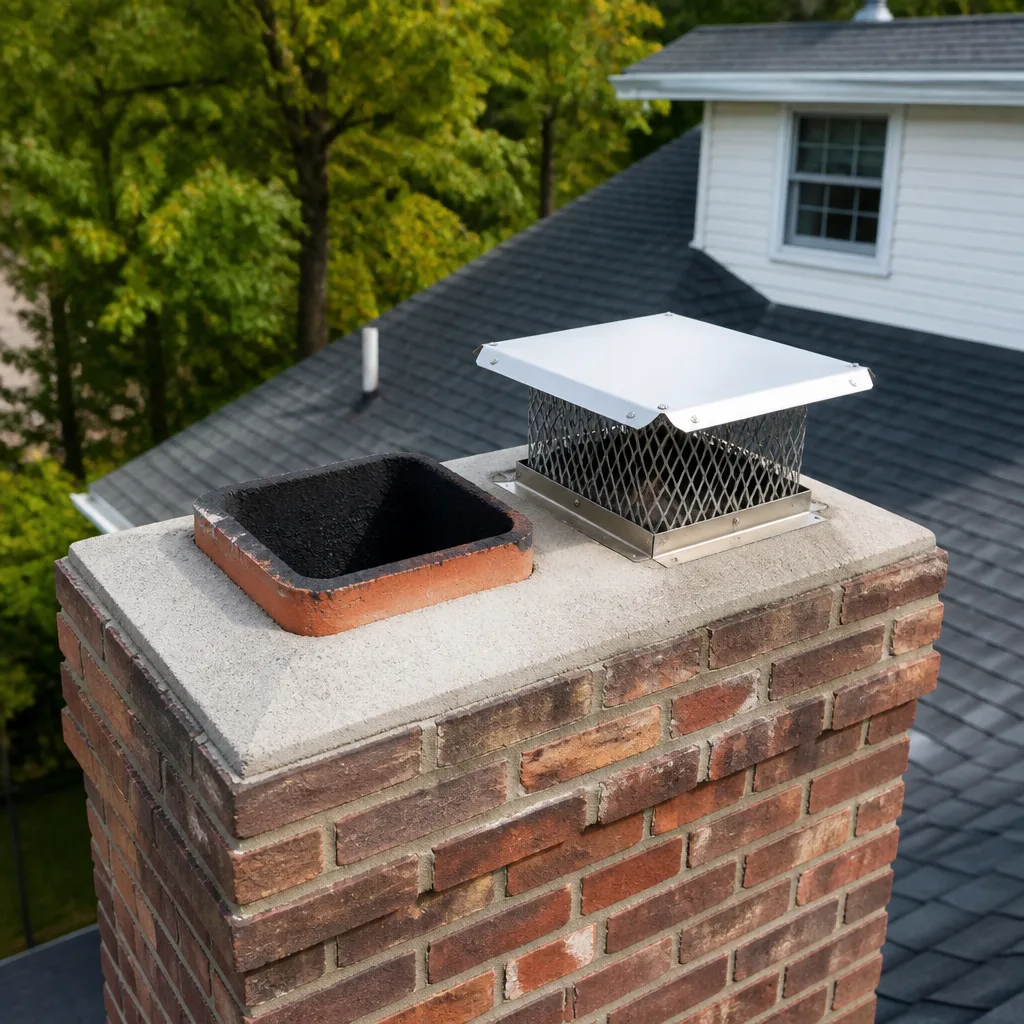
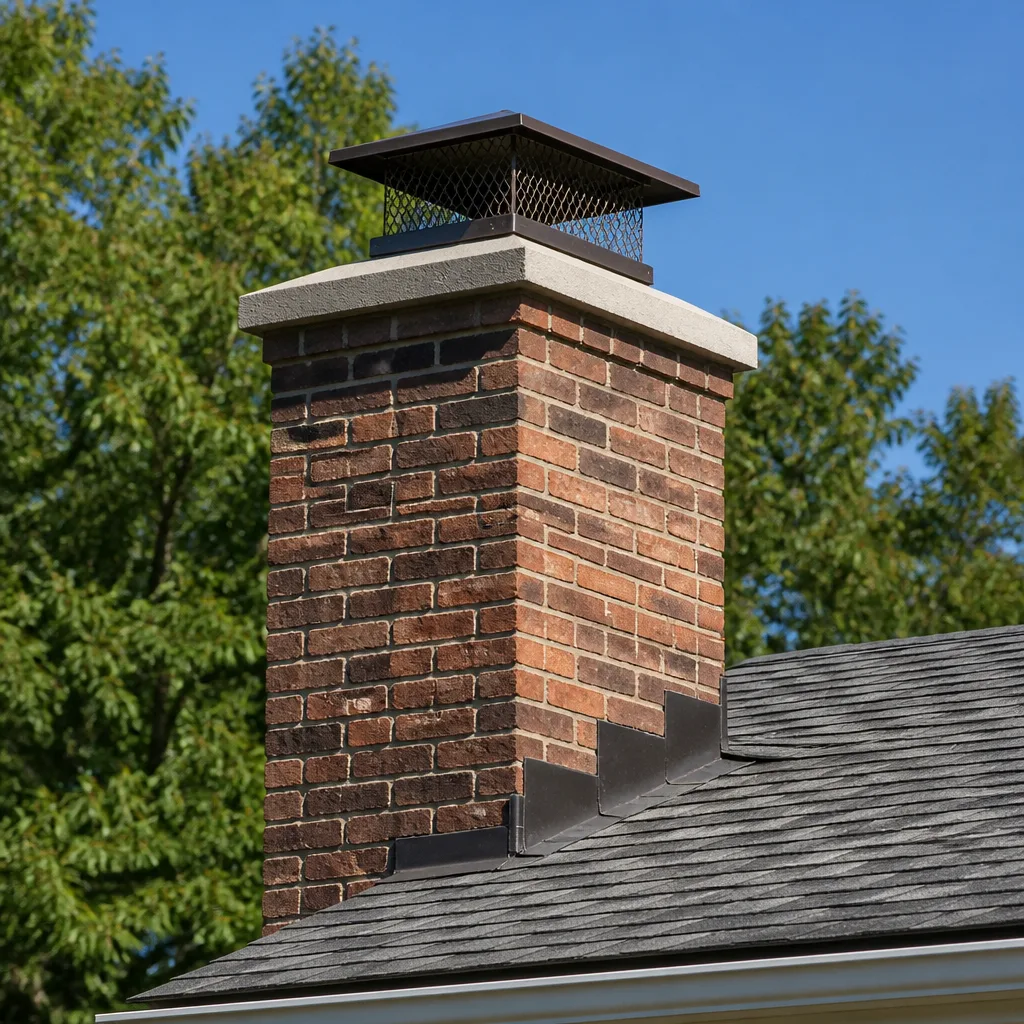
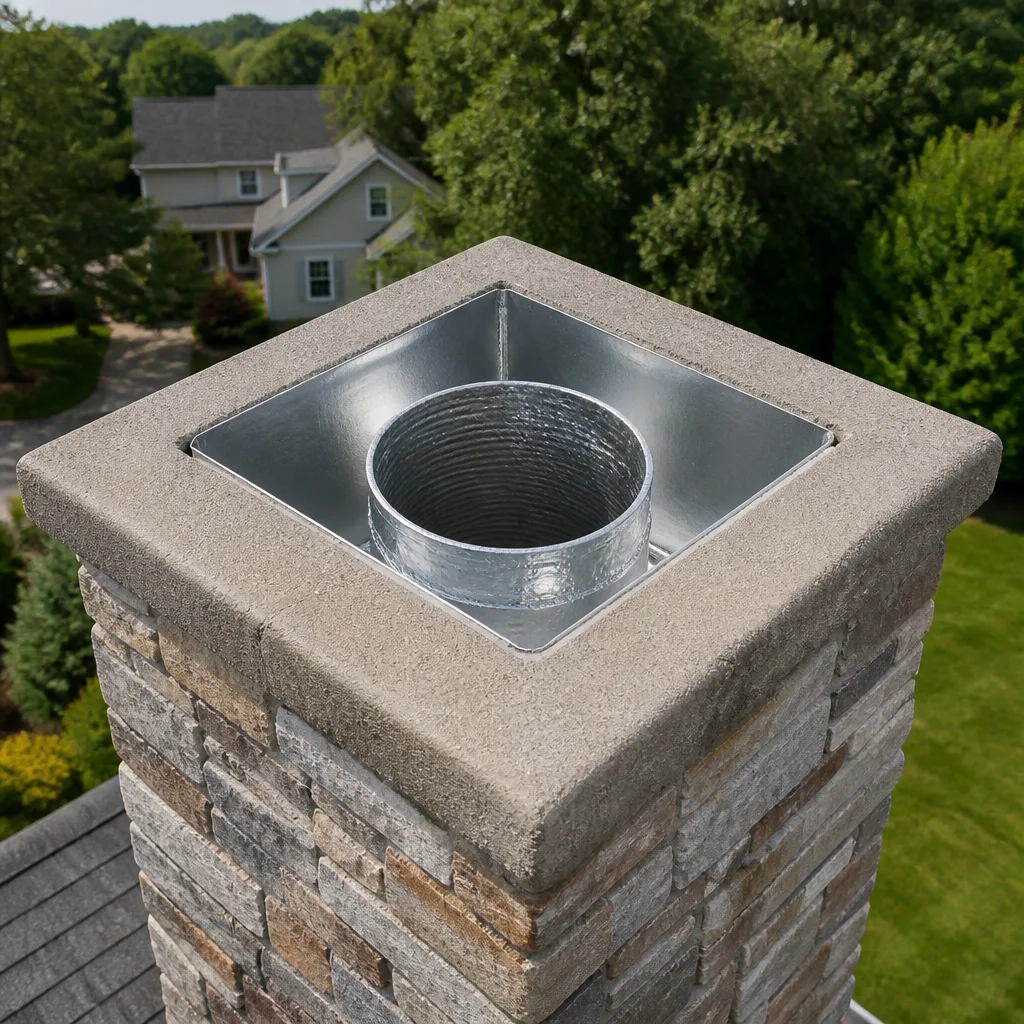
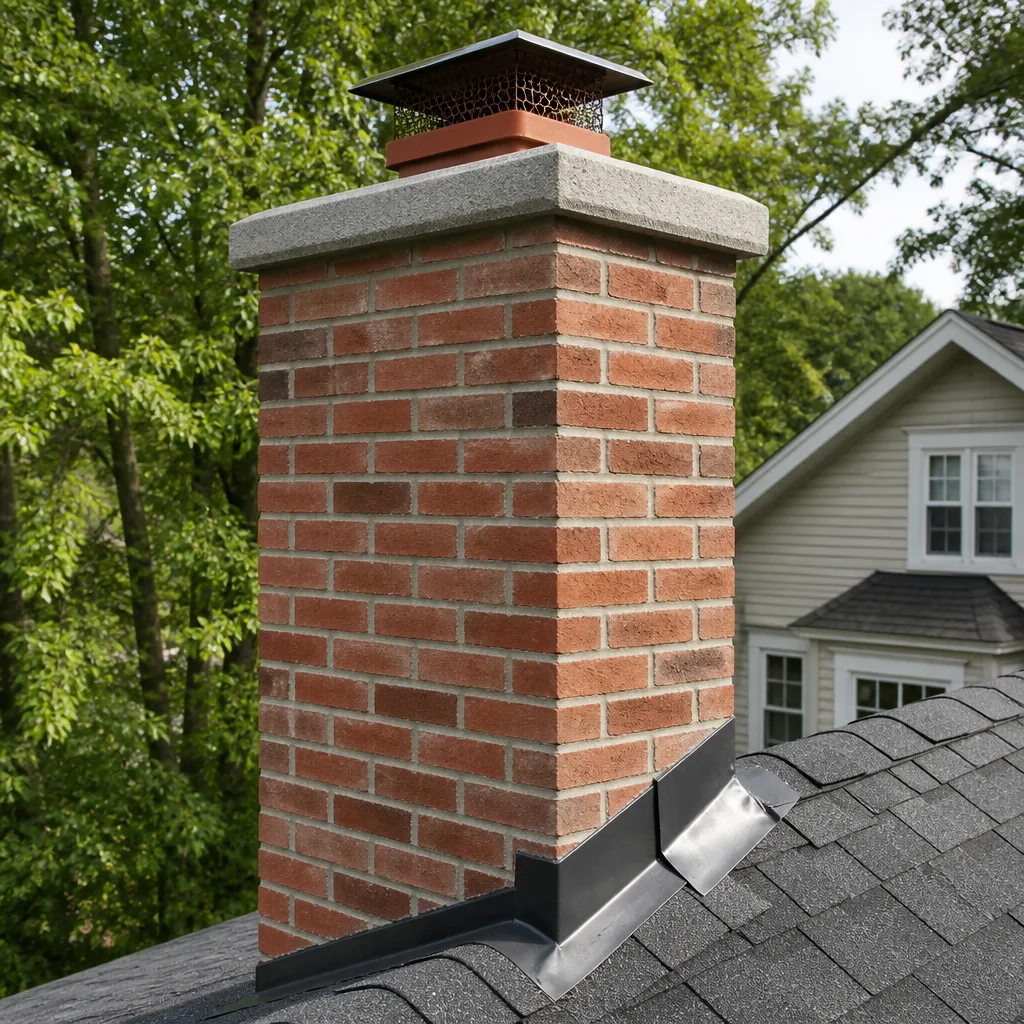
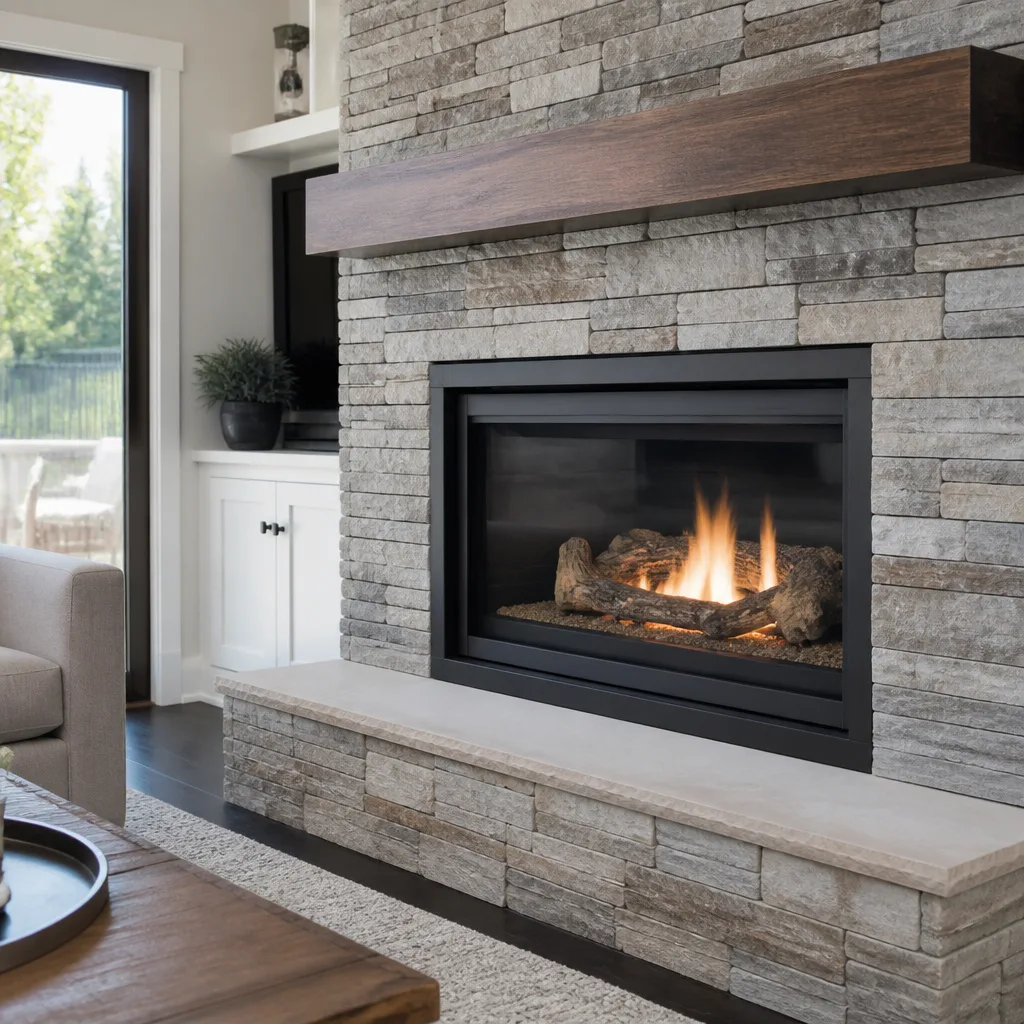
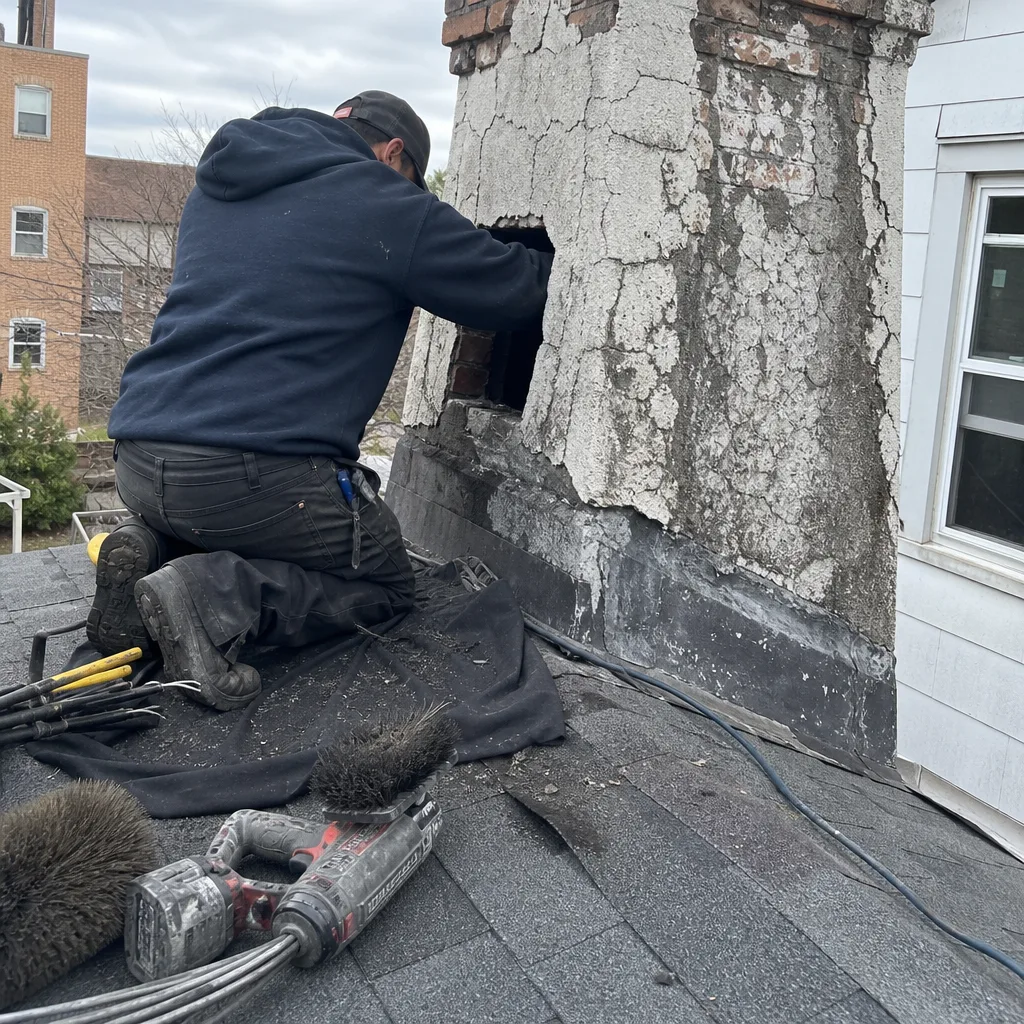 Before
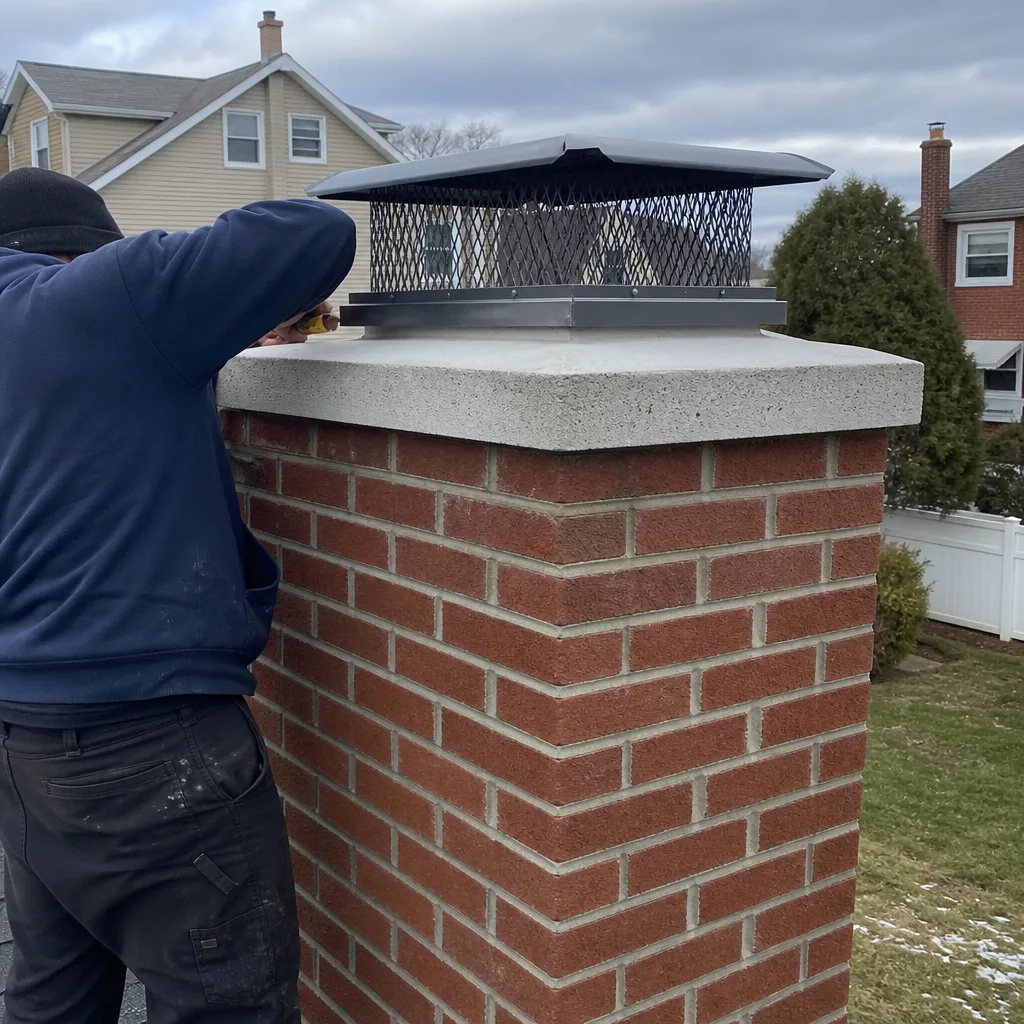 After
After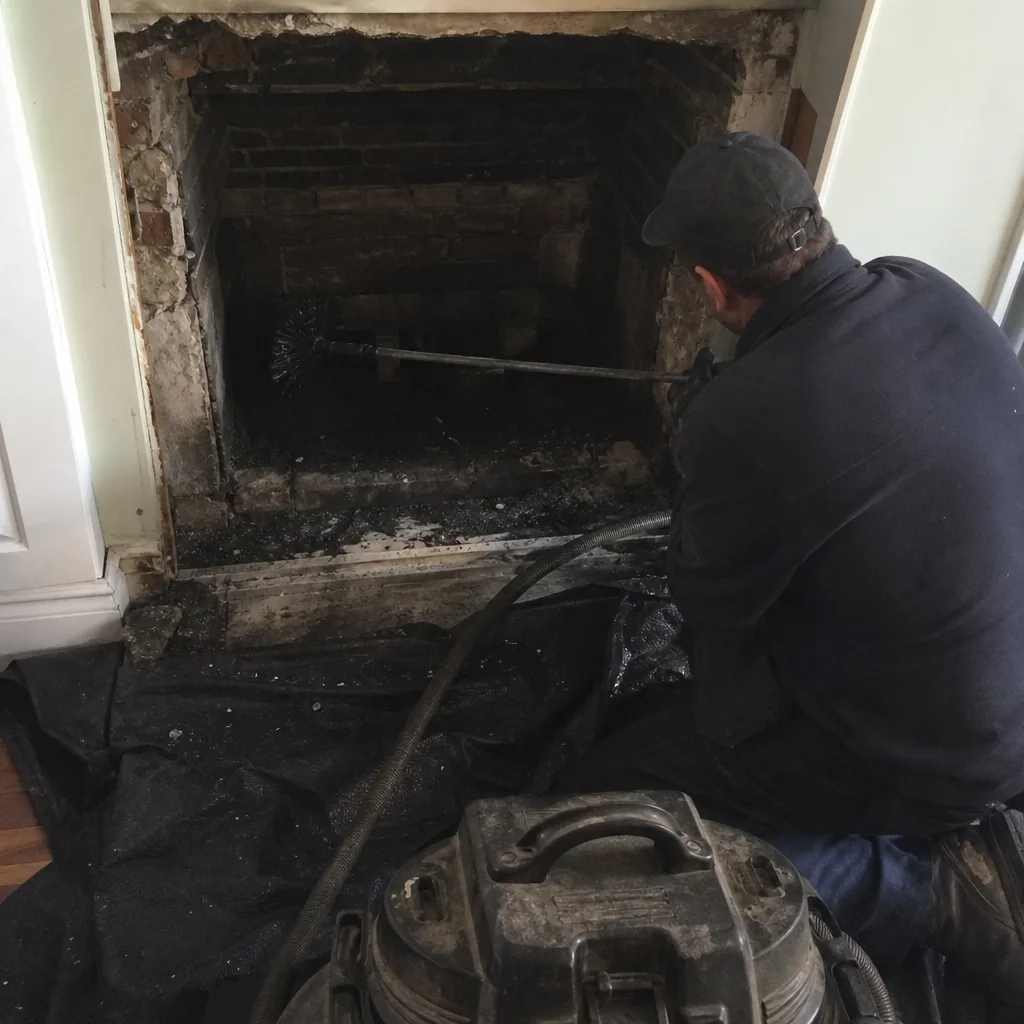 Before
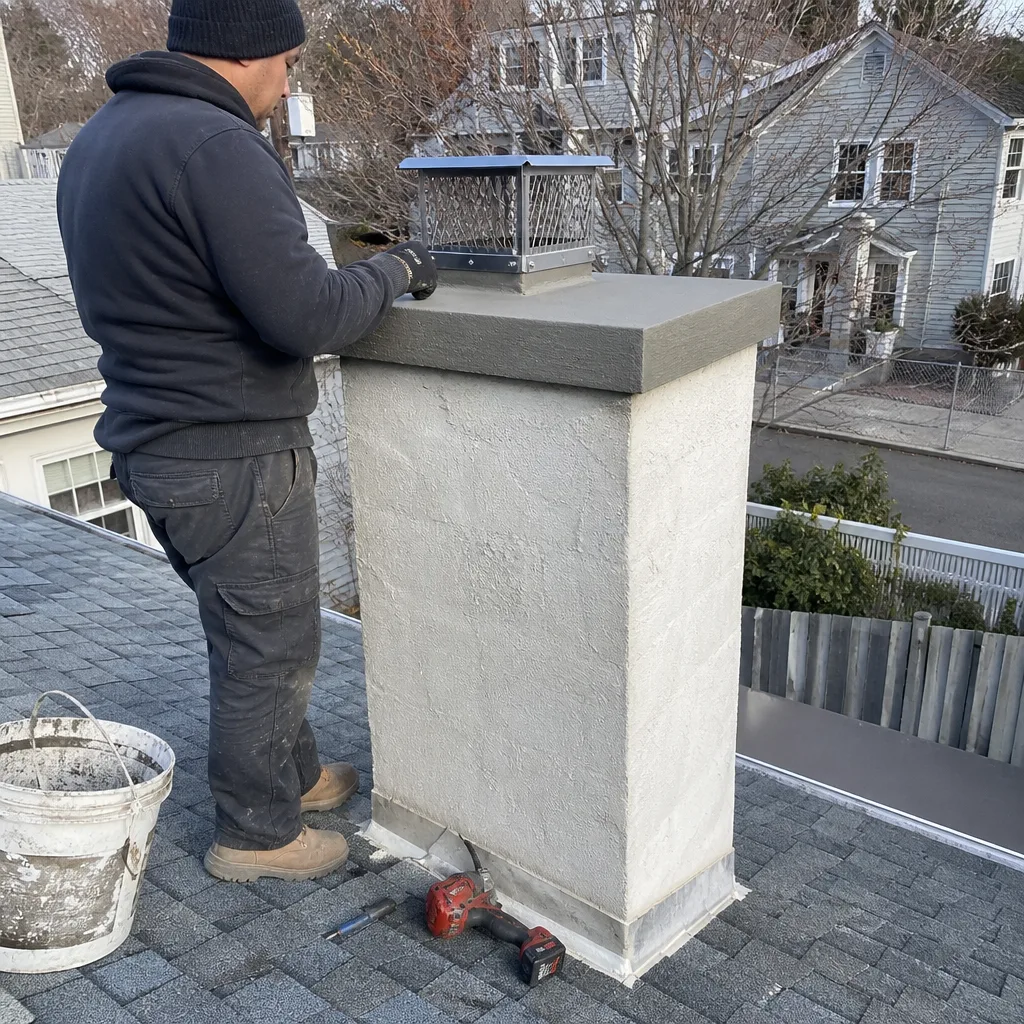 After
After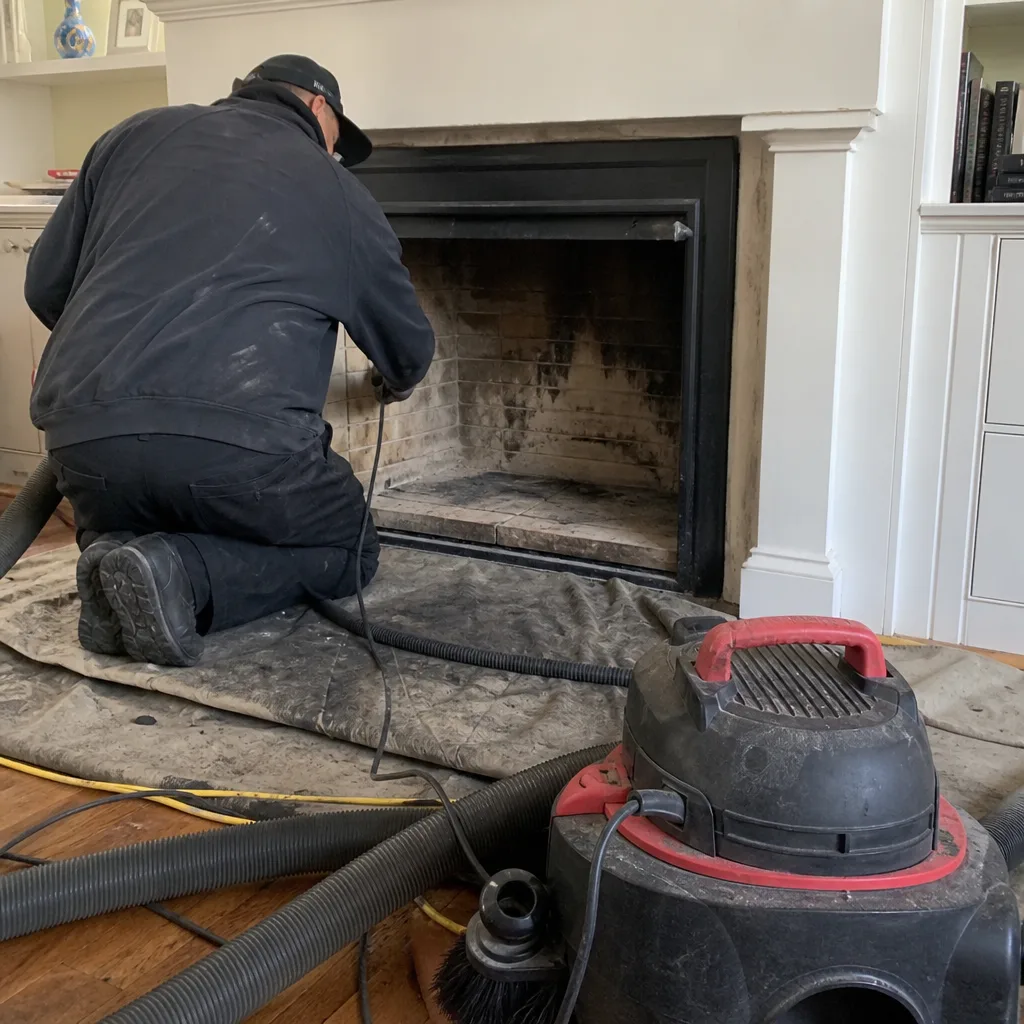 Before
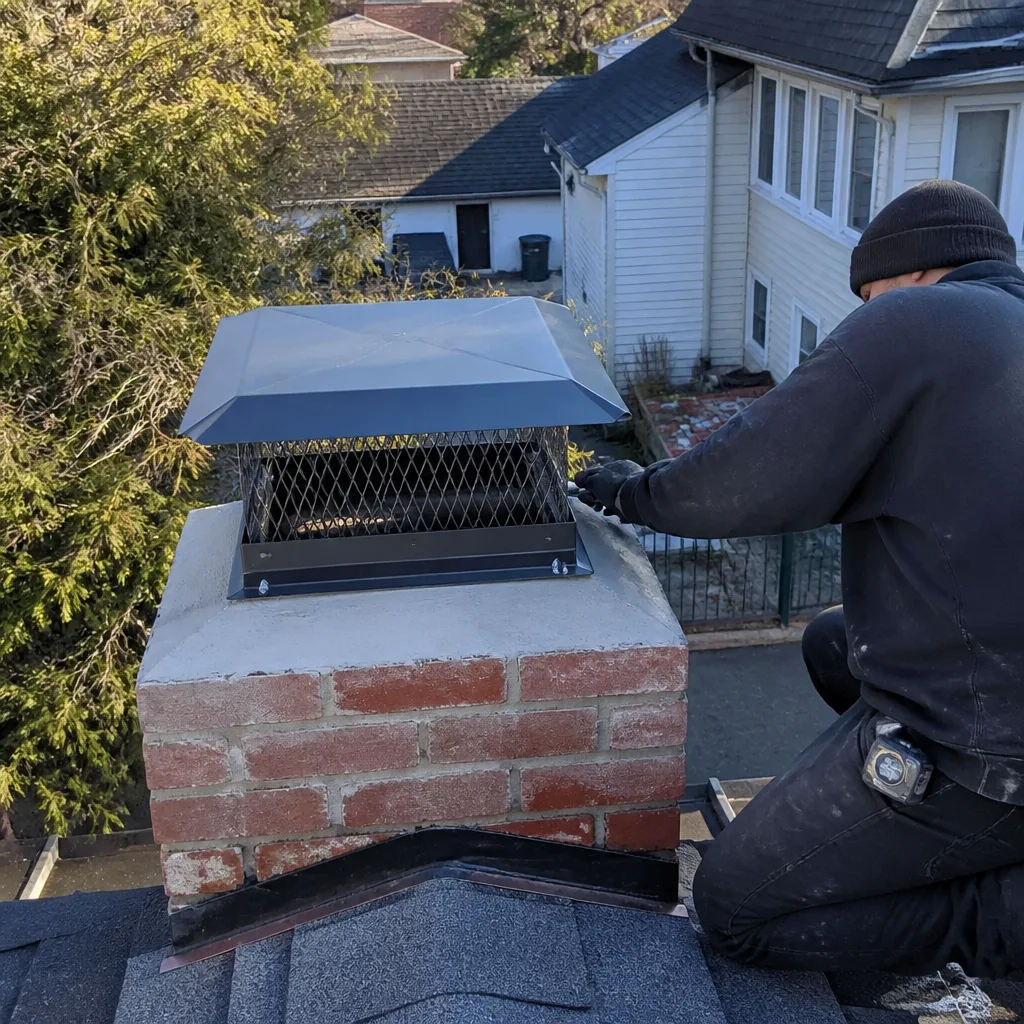 After
AfterThe Complete Guide to Chimney Cleaning in Jersey City
Most chimney fires in urban rowhouse blocks don’t start in the firebox. They start in the connector flue between units, a section most one-truck operators never inspect and most homeowners don’t know exists. Jersey City’s dense housing stock, built during the late 1800s through the 1950s, creates conditions that suburban chimney guides simply don’t address: shared flue walls, salt-laden air from New York Harbor, and clay-tile liners that have endured a century of freeze-thaw cycles. In this guide, we’ll walk through what actually accumulates in a Jersey City chimney, why it matters, and what a proper cleaning and inspection should include. For seasonal chimney cleaning care for Jersey City, see our year-round homeowner’s guide. No shortcuts, no scare tactics, just what we’ve learned from over four decades of working on Hudson County chimneys.
Quick Answer
A professional chimney cleaning in Jersey City removes creosote buildup, obstructions, and debris from the flue, smoke chamber, and firebox, typically taking 45 to 90 minutes for a standard Level 1 service. For most Jersey City homeowners burning wood regularly, annual sweeping is the standard; gas fireplace systems should be inspected annually and cleaned as needed. A proper job includes a visual or camera inspection, photo documentation, and a written condition report.
Table of Contents
- Why Jersey City Chimneys Are Different
- What Actually Happens During a Chimney Cleaning
- Creosote Stages and What Each Means for Your Home
- Level 1, 2, and 3 Inspections: Which One Do You Need?
- How Often Should a Jersey City Chimney Be Cleaned?
- How to Read a Post-Cleaning Photo Report
- What Chimney Cleaning Costs in Jersey City
- Common Mistakes to Avoid
- When to Call a Professional
- Frequently Asked Questions
Why Jersey City Chimneys Are Different
Jersey City isn’t a suburb with detached colonials and standalone chimneys. It’s a city of attached rowhouses, converted brownstones, and mid-rise apartment buildings where flues often serve multiple units and share structural walls. This changes everything about how chimneys age, what fails, and how they should be maintained.
Shared-Wall Flue Risk
In neighborhoods like Paulus Hook, Van Vorst Park, and the Heights, rowhouses were built shoulder-to-shoulder with party walls that contain flues serving both structures. When one side’s flue liner cracks or mortar joints fail, combustion gases can migrate into the neighboring unit. We’ve found this in Bergen-Lafayette homes where a cracked clay flue on one side was pushing carbon monoxide into a bedroom on the other. A standard cleaning that only looks at your firebox and the first few feet of flue will miss this entirely.
The connector flue, the horizontal or angled section that links a fireplace or appliance to the main vertical flue, is particularly vulnerable in these shared systems. It’s often inaccessible from either unit without specialized equipment, and it’s where creosote can accumulate unnoticed for years.
Salt Air and Mortar Erosion
Proximity to New York Harbor means Jersey City chimneys endure higher airborne salt concentrations than inland Essex or Union County homes. Salt accelerates mortar deterioration, especially in the crown and upper courses of brickwork. Once mortar joints soften, water infiltrates during freeze-thaw cycles, expanding cracks and spalling brick faces.
In our experience, Jersey City chimneys within a half-mile of the waterfront need more frequent crown and cap inspection than identical construction in, say, Montclair or Westfield. The salt doesn’t just damage masonry; it can corrode metal flue liners and stainless steel caps prematurely. We see this regularly in Newport and Exchange Place high-rises with exposed chimney structures.
Aging Clay-Tile Flues
Most pre-1960 Jersey City homes have clay-tile flue liners, typically 8″ x 8″ or 8″ x 12″ terra cotta sections stacked with refractory mortar joints. These tiles handle heat well but don’t tolerate thermal shock or lateral movement. After eighty to a hundred years, the refractory mortar crumbles, tiles shift, and gaps open that allow creosote to seep into the masonry surround.
When we clean a flue with degraded clay tiles, we’re not just removing soot. We’re assessing whether the liner is still doing its job of containing combustion byproducts. A cleaning without this assessment is incomplete, and in Jersey City’s housing stock, it’s potentially dangerous.
What Actually Happens During a Chimney Cleaning
A proper chimney cleaning follows a sequence that protects your home, documents conditions, and leaves the system ready for safe operation. Here’s how we approach it at Hearthstone Chimney Co. home.
- Pre-job walkthrough and protection. We lay drop cloths from the entry to the work area, seal the fireplace opening with a HEPA vacuum attachment, and inspect the surrounding area for any conditions that could affect the job.
- Visual inspection before cleaning. We examine the firebox, damper, smoke chamber, and accessible flue sections for cracks, obstructions, or unusual buildup. This establishes a baseline and identifies any safety concerns before we start.
- Mechanical brushing of the flue. Using rotary brushes sized to the flue diameter, we scrub the entire length from top to bottom (or bottom to top, depending on access). For masonry flues, poly or steel bristles matched to the liner material. For stainless steel liners, softer brushes that won’t score the metal.
- Smoke chamber and firebox cleaning. The smoke chamber, the area above the damper that funnels smoke into the flue, accumulates significant creosote in wood-burning systems. We hand-scrape this area and vacuum all debris.
- HEPA vacuuming and debris removal. All loosened material is captured at the point of generation. Nothing drifts into your living space.
- Camera inspection (Level 2) or visual re-check (Level 1). After cleaning, we re-inspect to confirm the flue is clear and document any conditions that weren’t visible through creosote coating.
- Photo documentation and written report. You receive photos of what we found, a plain-English explanation of any concerns, and recommendations with priority levels.
The entire process typically takes 45 to 90 minutes for a standard cleaning, longer if significant creosote buildup or access complications require additional work.
Creosote Stages and What Each Means for Your Home
Creosote isn’t uniform. It progresses through three distinct stages, and the stage determines both the cleaning method and the urgency. Understanding this helps you evaluate what any sweep tells you about your system.
Stage One: Sooty, Flaky Deposits
Fresh, powdery soot that brushes away easily with a standard sweep. This is what you want to see. It indicates relatively efficient burning, dry wood, and adequate flue temperatures. Stage one creosote is normal and expected; annual cleaning keeps it from progressing.
Stage Two: Crunchy, Porous Buildup
As flue gases cool and condense, creosote hardens into a crunchy, tar-like layer that requires more aggressive mechanical removal. Stage two still responds to rotary brushing, but it takes longer and indicates your burning habits or system design may need adjustment. In Jersey City’s tighter homes with smaller flues, we see this stage more often than in rural properties with larger, straighter chimneys.
Stage Three: Glazed, Hardened Creosote
This is the dangerous stage. Stage three creosote is a glossy, rock-hard coating that standard brushing cannot remove. It forms when flue temperatures stay too low for too long, often from burning unseasoned wood, restricting combustion air, or operating an insert with an undersized flue.
Stage three creosote cannot be brushed off. Attempting to do so wastes time and can damage the flue liner. It requires chemical treatment with a creosote-modifying agent, followed by a waiting period (typically one to two weeks of active use), then a second mechanical cleaning. Some products from Olympia Chimney and Copperfield are formulated specifically for this purpose.
We’ve encountered stage three buildup in Journal Square apartments where tenants burned whatever wood was available, and in Bergen-Lafayette homes where previous owners installed wood inserts without proper flue sizing. It’s serious, it’s fixable, but it requires honesty about the process and timeline.
Level 1, 2, and 3 Inspections: Which One Do You Need?
The National Fire Protection Association (NFPA) defines three inspection levels in Standard 211. Most homeowners don’t know the difference, and some operators exploit that confusion. Here’s what each level actually entails and when it’s appropriate.
Level 1 Inspection
A visual examination of readily accessible portions of the chimney exterior, interior, and connecting appliance. No tools are used to open or remove components. This is the standard annual inspection for systems with no changes, no problems, and continued use under the same conditions.
For a Jersey City homeowner who’s been burning the same way in the same fireplace with no issues, Level 1 is usually sufficient.
Level 2 Inspection
Everything in Level 1, plus examination of accessible attics, crawl spaces, and basements; video scanning of the flue interior; and inspection of all clearances to combustibles. Level 2 is required when:
- The property is being sold or transferred
- The fuel type or appliance is changed
- A chimney fire or significant weather event has occurred
- Significant structural work has been done to the building
In Jersey City’s active real estate market, we perform Level 2 inspections weekly for buyers in Downtown, Hamilton Park, and the Heights. The camera inspection reveals what no visual check can: cracked tiles, missing mortar, animal nests, and construction debris from century-old builds. Our Chimney Cleaning & Sweep in Jersey City includes Level 2 documentation as standard for real estate transactions.
Level 3 Inspection
A Level 3 inspection involves removing components of the building or chimney to gain access to concealed areas. This is only undertaken when a Level 1 or 2 inspection reveals a hazard that cannot be fully evaluated without demolition. It’s rare, it’s invasive, and it’s only justified by specific, documented concerns.
We’ve recommended Level 3 twice in the past five years in Jersey City: once for a suspected hidden fire damage in a Paulus Hook brownstone, and once for structural movement in a Heights rowhouse that suggested a compromised party wall. Both cases required opening walls to confirm what imaging suggested.
How Often Should a Jersey City Chimney Be Cleaned?
The NFPA recommends annual inspection of all chimneys, fireplaces, and vents. Cleaning frequency depends on use, fuel, and local conditions.
| System Type | Typical Cleaning Interval | Jersey City Considerations |
|---|---|---|
| Wood-burning fireplace, regular use | Annual sweep, mid-season if burning daily | Denser housing means smaller flues and faster creosote accumulation |
| Wood-burning fireplace, occasional use | Every 1-2 years, inspect annually | Salt air may accelerate metal component corrosion even with light use |
| Gas fireplace insert | Inspect annually, clean as needed | Debris from deteriorating liners can still obstruct; inspect for condensation damage |
| Gas log set in masonry fireplace | Inspect annually, clean every 2-3 years | Check for deteriorating mortar and animal nesting in unused season |
| Oil or gas furnace flue | Inspect annually, clean per manufacturer | Shared flues in rowhouses require verification of proper venting |
Jersey City’s specific conditions suggest leaning toward more frequent inspection rather than less. The combination of aging infrastructure, salt exposure, and shared-wall construction means problems can develop faster than in newer, detached housing.
In neighborhoods like Greenville and McGinley Square, where many homes still operate original heating system flues with modern appliances, we strongly recommend annual Level 2 inspections until the flue condition is fully characterized. We’ve found clay-tile collapse in furnace flues that appeared fine from the basement but were completely blocked at the roofline.
How to Read a Post-Cleaning Photo Report
A photo report is your evidence of what was found, what was done, and what needs attention. Unfortunately, many homeowners receive nothing, or a single blurry image with no context. Here’s what a proper report should include, and what its absence should tell you.
What the Report Should Contain
- Pre-cleaning flue images showing creosote accumulation level and any visible defects
- Post-cleaning flue images confirming the flue is clear and documenting liner condition
- Smoke chamber and firebox images before and after cleaning
- Crown, cap, and exterior masonry images showing weathering, cracks, or displacement
- Damper condition and operation assessment
- Clearance measurements where accessible and relevant
Each image should be dated, oriented (top/bottom noted), and accompanied by a plain-English description of what you’re looking at and why it matters.
Red Flags in Documentation
If a company provides no photos, claims they “forgot the camera,” or offers only verbal descriptions, that indicates either inadequate equipment or reluctance to create a record. In our experience, the companies that document thoroughly are the same ones that stand behind their work. The ones that don’t, don’t.
At Hearthstone, our Chimney Repair in Jersey City assessments and every cleaning include full photo documentation. You see what we see. No exceptions.
How to Evaluate Recommendations
A proper report prioritizes findings rather than presenting an undifferentiated list. It should distinguish between:
- Immediate safety concerns that affect operation before next use
- Maintenance items that should be addressed within the current season
- Monitoring items to watch during future inspections
Be wary of reports that classify everything as urgent, or that recommend expensive liner replacement without specific, photographed damage. A cracked flue tile can often be repaired with a stainless steel insert from DuraFlex or Gelco at a fraction of full rebuild cost. The recommendation should match the actual condition, not the company’s sales quota.
What Chimney Cleaning Costs in Jersey City
Pricing varies with access, system condition, and inspection level. Below are typical ranges we see in the Jersey City market for straightforward, single-flue residential systems. Complications, additional flues, or stage-three creosote treatment add to these bases.
| Service | Typical Range | What’s Included |
|---|---|---|
| Level 1 cleaning and inspection | $175 - $275 | Standard sweep, visual inspection, basic report |
| Level 2 cleaning and camera inspection | $275 - $425 | Full sweep, video flue scan, photo report, written assessment |
| Stage three creosote treatment | $150 - $300 additional | Chemical application, follow-up sweep after curing period |
| Second flue (same visit) | $100 - $175 | Additional sweep and inspection of separate flue |
| Gas fireplace service and inspection | $150 - $225 | Burner cleaning, pilot adjustment, safety check, vent inspection |
These are Jersey City market ranges based on our experience and competitor pricing we track. Extremely low bids often indicate incomplete service, uninsured operators, or bait-and-switch tactics. We’ve been called to correct “$99 specials” that missed cracked liners, left debris in the smoke chamber, or damaged damper assemblies with improper tools. Our step-by-step guide to hiring a chimney cleaning contractor in Jersey City helps you avoid these operators.
Our Fireplace Services in Jersey City include no-hassle upfront pricing. The number on the estimate is the number on the invoice. No surprises.
Common Mistakes to Avoid
- Hiring based on price alone. A $99 sweep that misses a cracked flue tile or stage two creosote buildup isn’t a bargain. It’s a deferred problem that will cost more later, possibly in emergency service or worse.
- Assuming gas systems don’t need inspection. Gas fireplaces and furnace flues can develop condensation damage, debris obstruction, and improper venting. Annual inspection is still the standard, even if cleaning is less frequent.
- Ignoring the smoke chamber. The smoke chamber is where many chimney fires start, yet some operators skip it entirely because it’s awkward to access. Confirm your sweep includes this area.
- Accepting verbal reports without photos. In Jersey City’s competitive real estate market, documentation protects buyers and sellers alike. Insist on dated, labeled images.
- Burning unseasoned wood or household trash. Wet wood and prohibited materials accelerate creosote formation and can introduce toxic compounds. In dense Jersey City housing, this affects neighbors too.
- Waiting for visible smoke backup to call. By the time smoke enters your living space, the problem is advanced. Schedule preventive maintenance before the burning season.
- Using DIY chimney cleaning logs as replacement for sweeping. These products may reduce light soot but do not remove significant buildup and cannot inspect for structural defects. They’re a supplement, not a substitute.
When to Call a Professional
Call for service before the burning season begins, ideally in late summer or early fall. This allows time for any needed repairs before cold weather arrives and before sweep schedules fill.
Call immediately if you notice any of the following: smoke entering the room during normal operation, a strong odor from the fireplace when not in use, visible cracks in the firebox or exterior masonry, white staining (efflorescence) on the chimney exterior, a damper that won’t open or close fully, or any evidence of animal nesting.
After any chimney fire, even a small one, a Level 2 inspection is essential before further use. Hidden thermal damage can compromise the flue liner without visible signs.
Hearthstone Chimney Co. offers free estimates in Jersey City. Call (732) 507-9649 to schedule. A live person answers every call, 24 hours a day, seven days a week. No voicemail, no callback queue.
Frequently Asked Questions
A standard Level 1 chimney sweep and inspection in Jersey City typically runs $175 to $275, while a Level 2 service with camera inspection ranges from $275 to $425. Factors that affect pricing include flue accessibility, number of flues, creosote stage, and whether the home is a single-family rowhouse or a multi-unit building with roof access complications. Call (732) 507-9649 for an exact quote - estimates are free.
Not always. A single cracked clay tile can often be repaired without full liner replacement. We recommend liner replacement when there are multiple cracked or missing tiles, significant gaps in mortar joints, or when installing a new appliance that requires a specific liner size or material. Every recommendation we make is supported by camera evidence you can see yourself. If the condition can be monitored safely, we’ll say so plainly.
For wood-burning systems used regularly, annual sweeping is the standard. Jersey City’s rowhouse construction, with smaller flues and shared walls, can accelerate creosote accumulation compared to detached homes. Gas systems should be inspected annually and cleaned as needed. The specific interval depends on your burning habits, fuel quality, and system condition - which is why annual professional assessment matters. Browse our more guides & resources for additional chimney maintenance advice.
Skipped maintenance allows creosote to accumulate, increasing fire risk and potentially obstructing the flue. In severe cases, blocked or damaged flues can force carbon monoxide into living spaces. In Jersey City’s attached housing, a chimney fire in one unit can spread rapidly to neighbors through shared structural elements. The cost of preventive cleaning is modest compared to emergency response, structural repair, or medical consequences. Call (732) 507-9649 to schedule before problems develop.
A sweep is the physical cleaning of the flue, smoke chamber, and firebox. An inspection is the systematic evaluation of the system’s condition, clearances, and safety. They’re often performed together, but they’re distinct services. You can inspect without sweeping (though soot may obscure defects), and you can sweep without the detailed assessment of a formal inspection. For complete service, both are needed.
Basic soot removal with proper brushes and rods is physically possible for some homeowners, but it doesn’t substitute for professional assessment. In Jersey City’s aging housing stock, the critical question isn’t whether the flue looks clean - it’s whether the liner, mortar, and structure are intact. That requires training, equipment, and experience to evaluate. For safety-critical systems in century-old construction, professional service is the prudent choice. Call (732) 507-9649 for a free estimate.
The Bottom Line
Jersey City chimneys face conditions that generic advice doesn’t address: shared flue walls, salt-air corrosion, and clay-tile liners at the end of their design life. A proper cleaning isn’t just soot removal. It’s a systematic assessment of a safety-critical system, documented with photos, explained in plain English, and backed by a guarantee.
We’ve been doing this work for over 42 years. We plan to be here for decades more. That long view shapes how we treat every home, every call, and every commitment we make. Done right - and we stand behind it.
Written by Russell Haines, Owner at Hearthstone Chimney Co., serving Jersey City since 2014.