
Last updated September 10, 2026
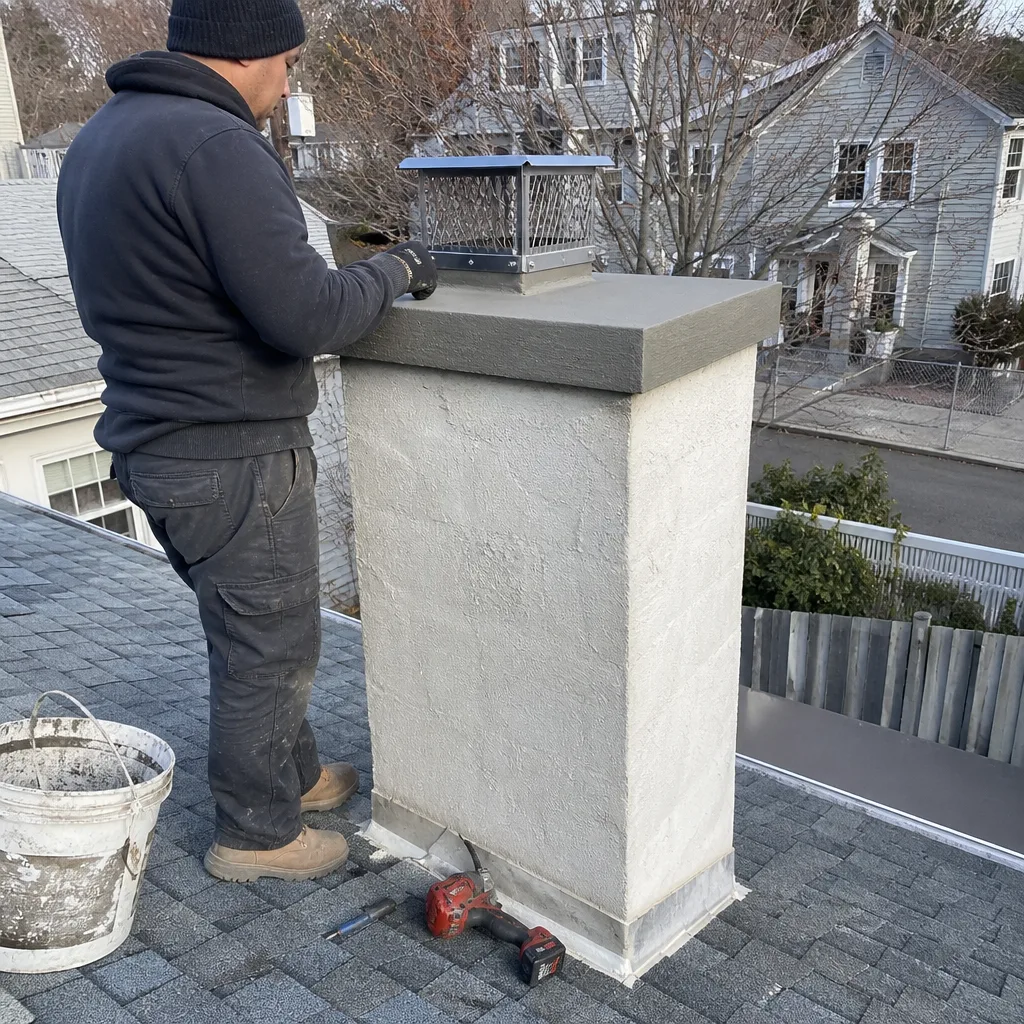
Level 1 sweep and inspection to the NFPA 211 annual standard - flue, crown, cap, and flashing checked and photographed
Chimney sweep logs do not sweep chimneys. They loosen some creosote - which then falls where a brush and vacuum still have to collect it.
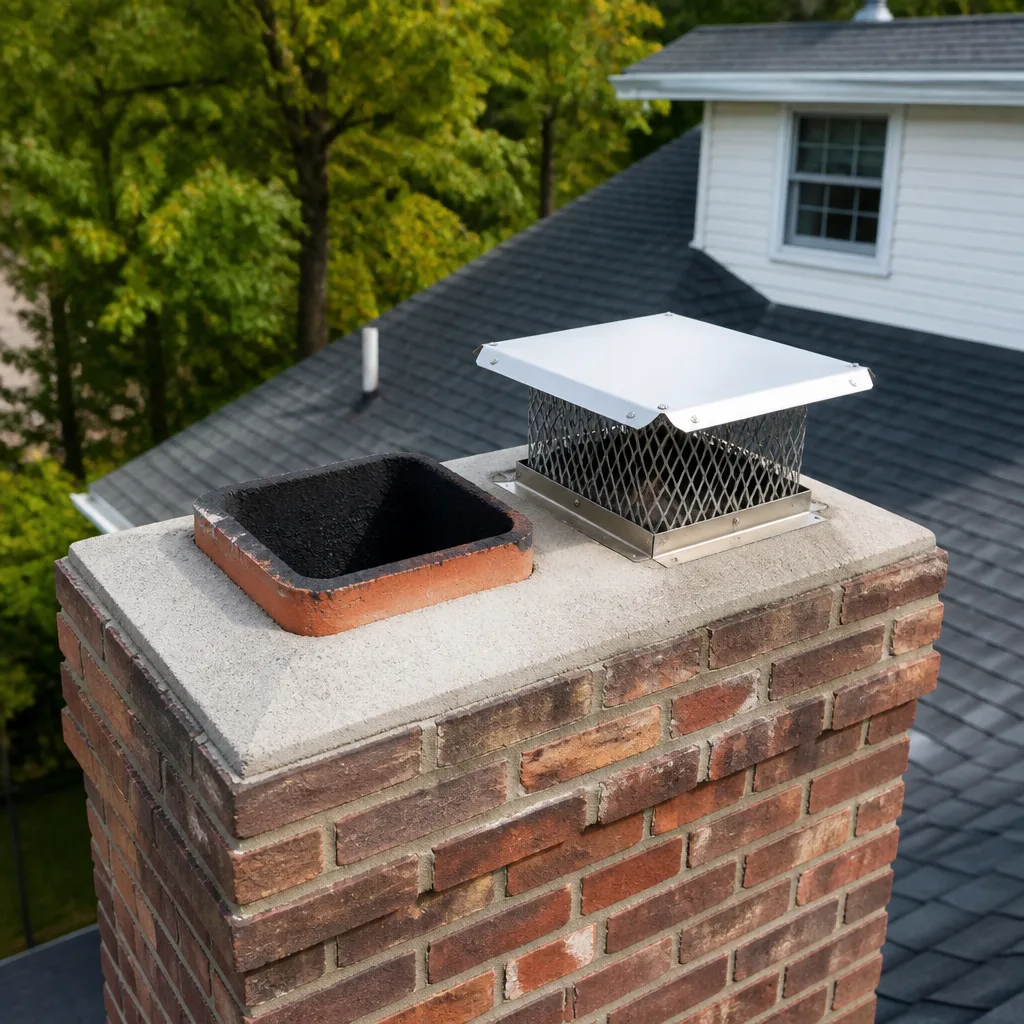
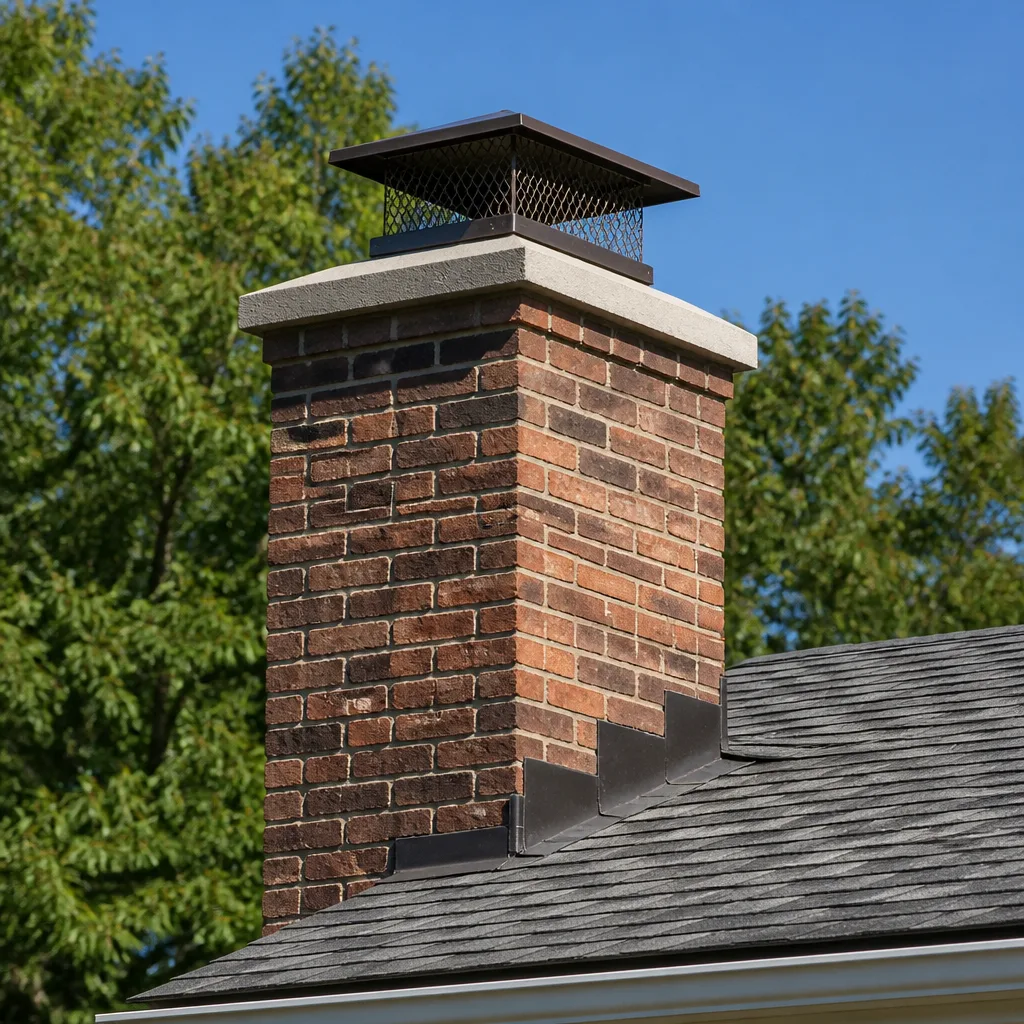
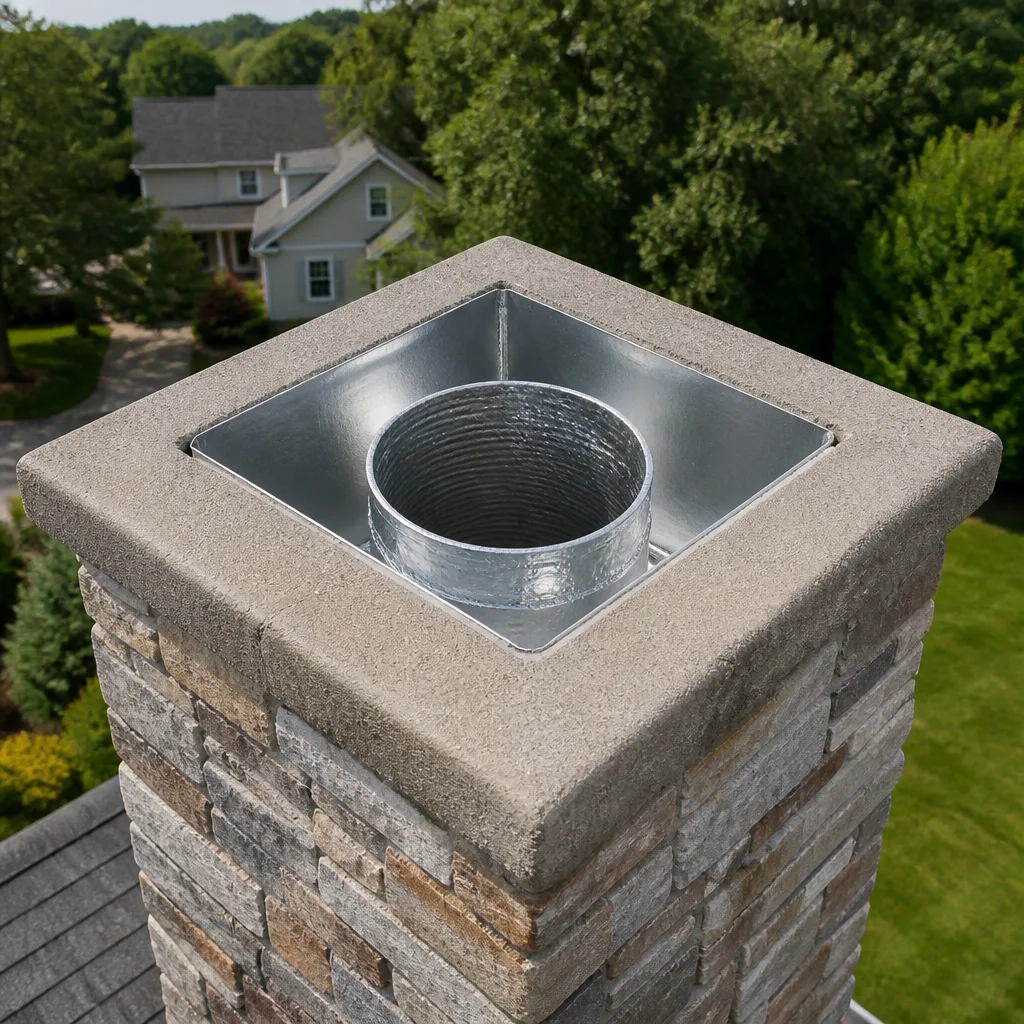
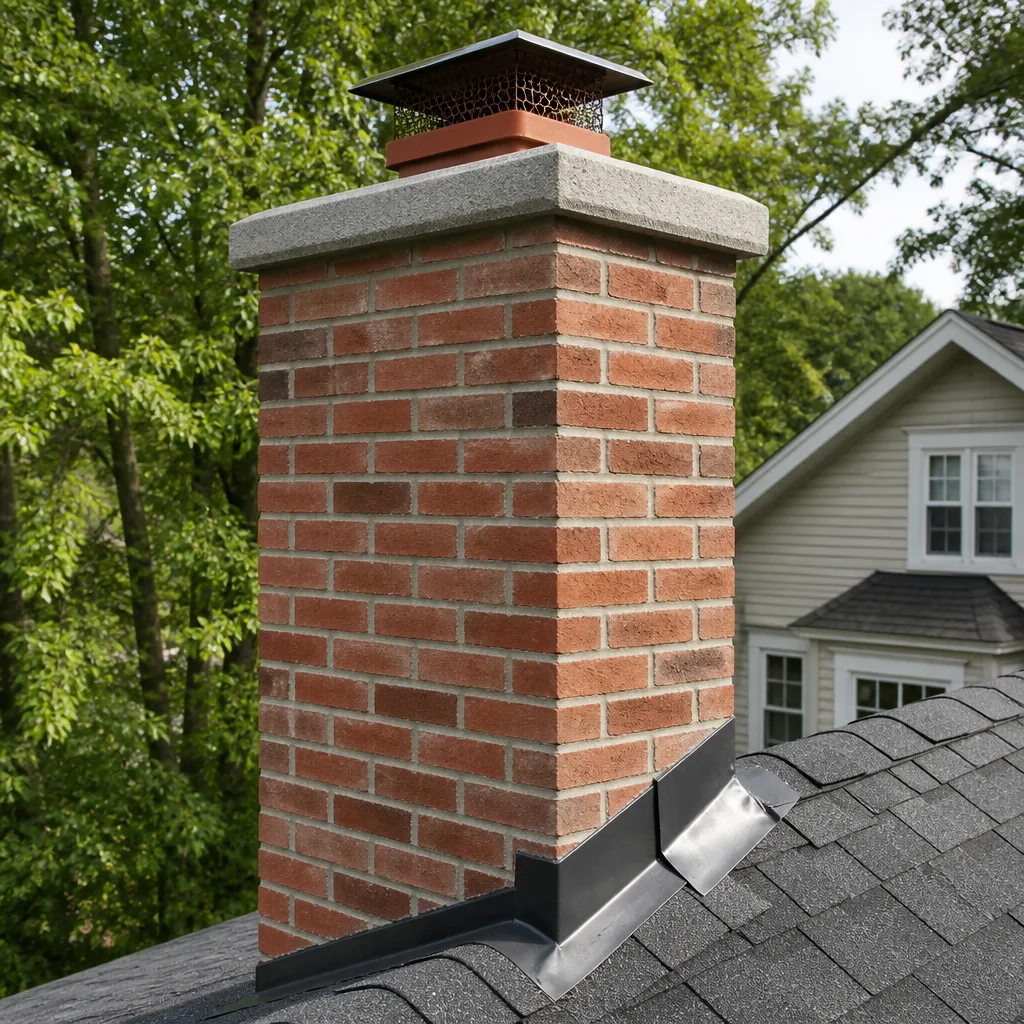
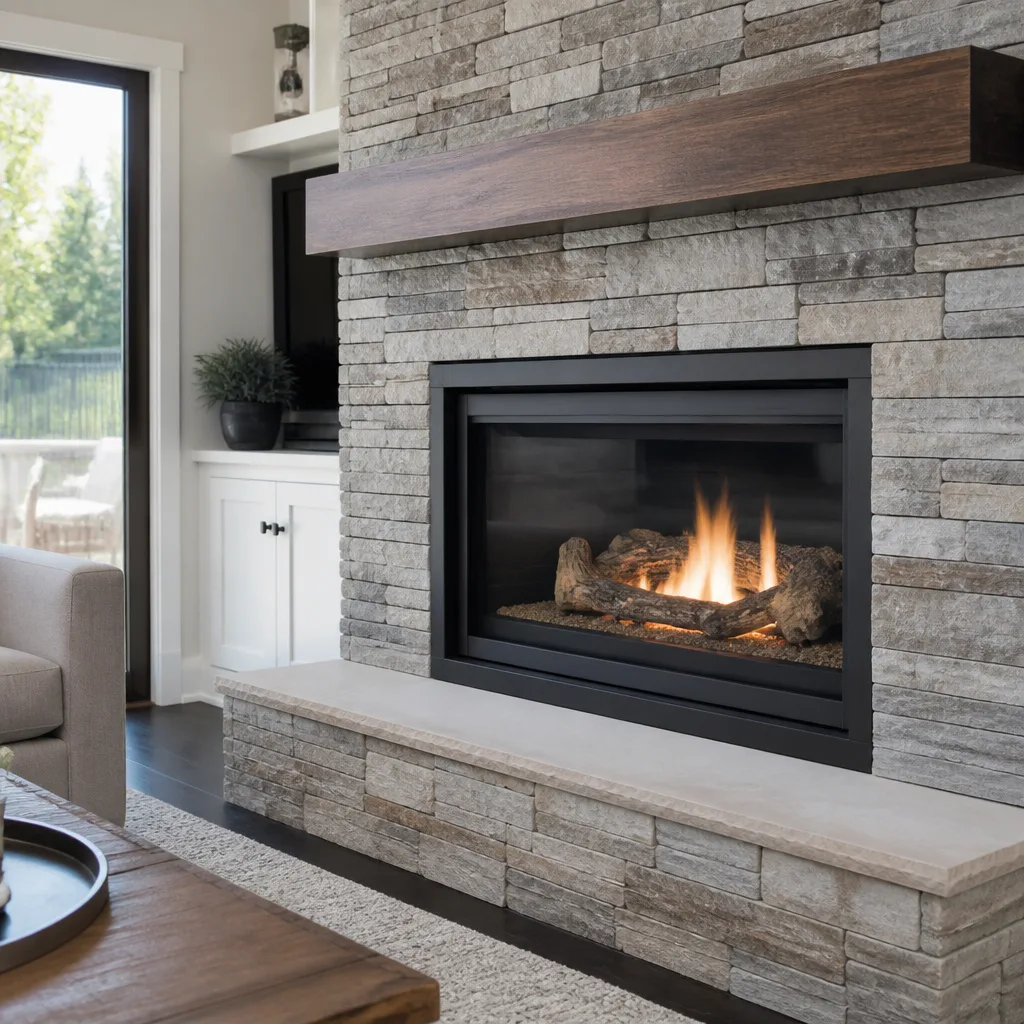
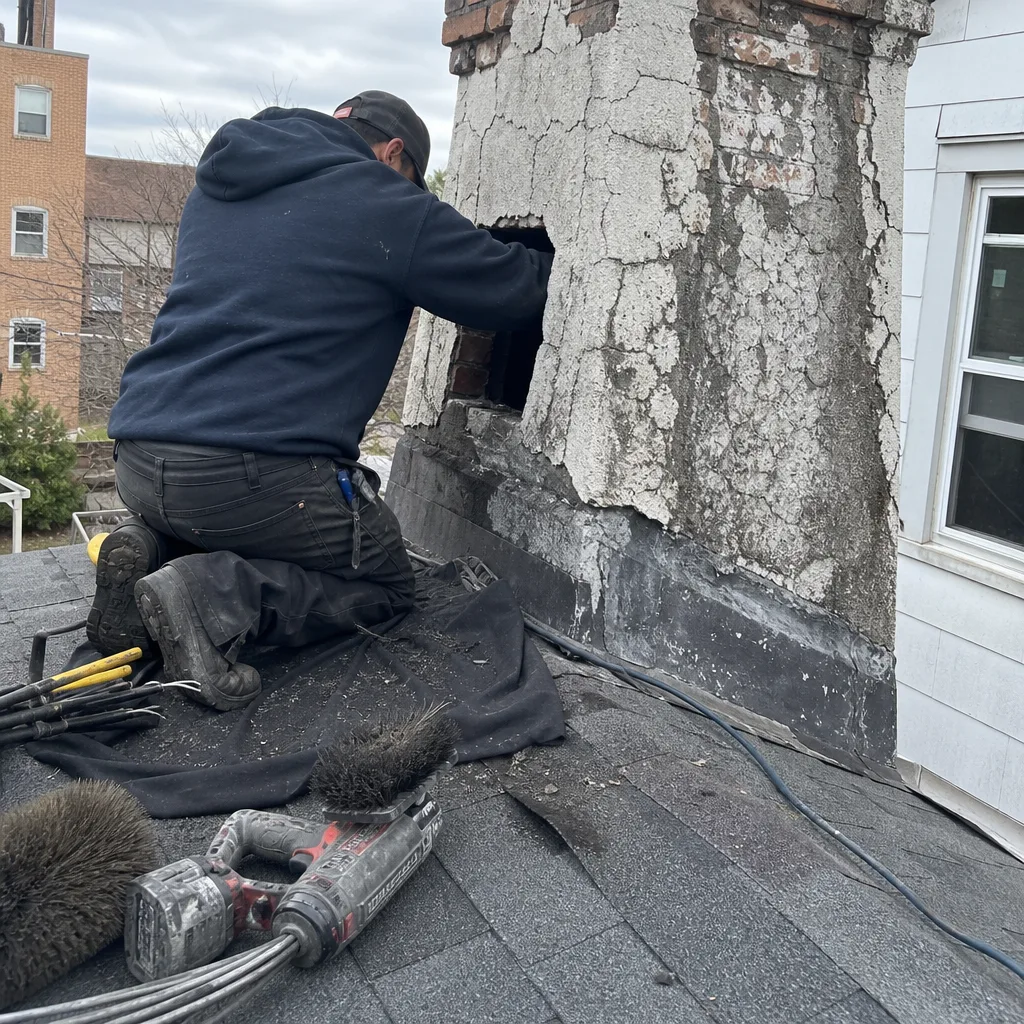 Before
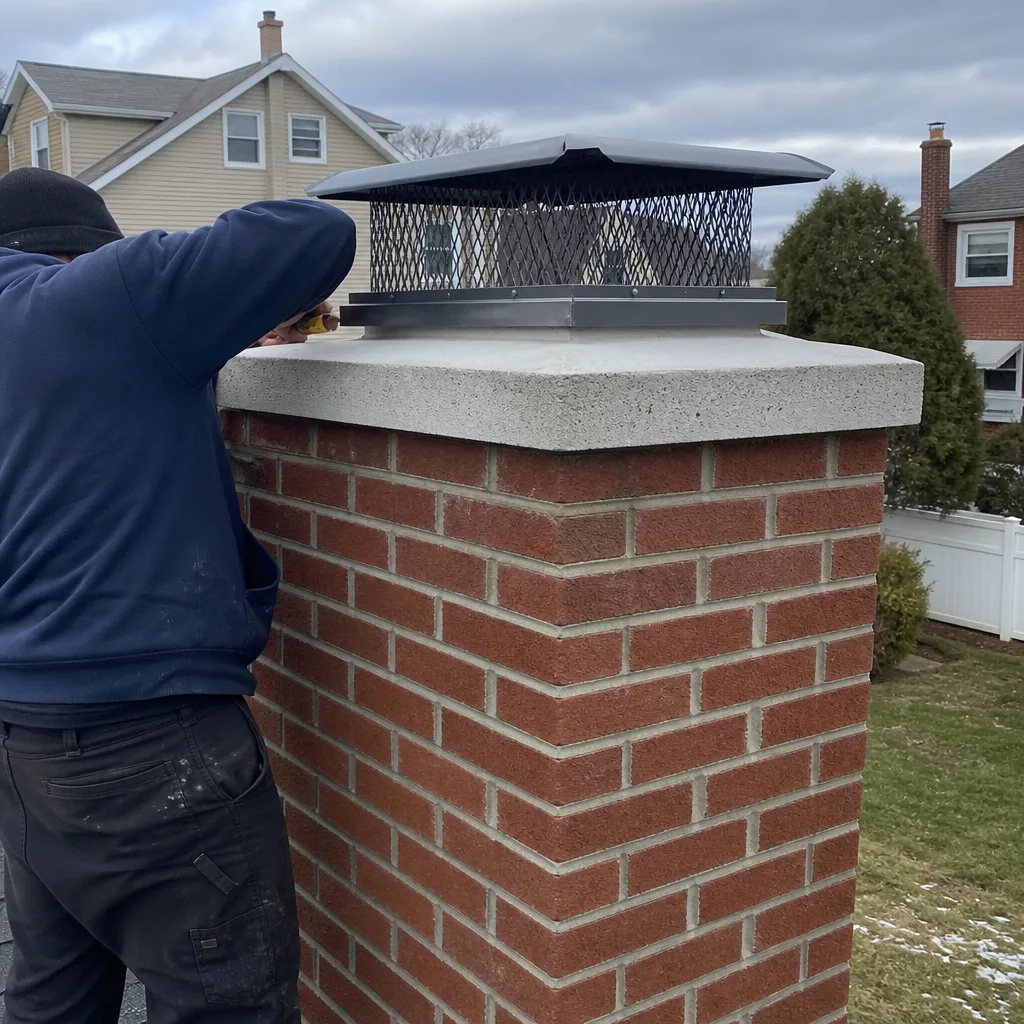 After
After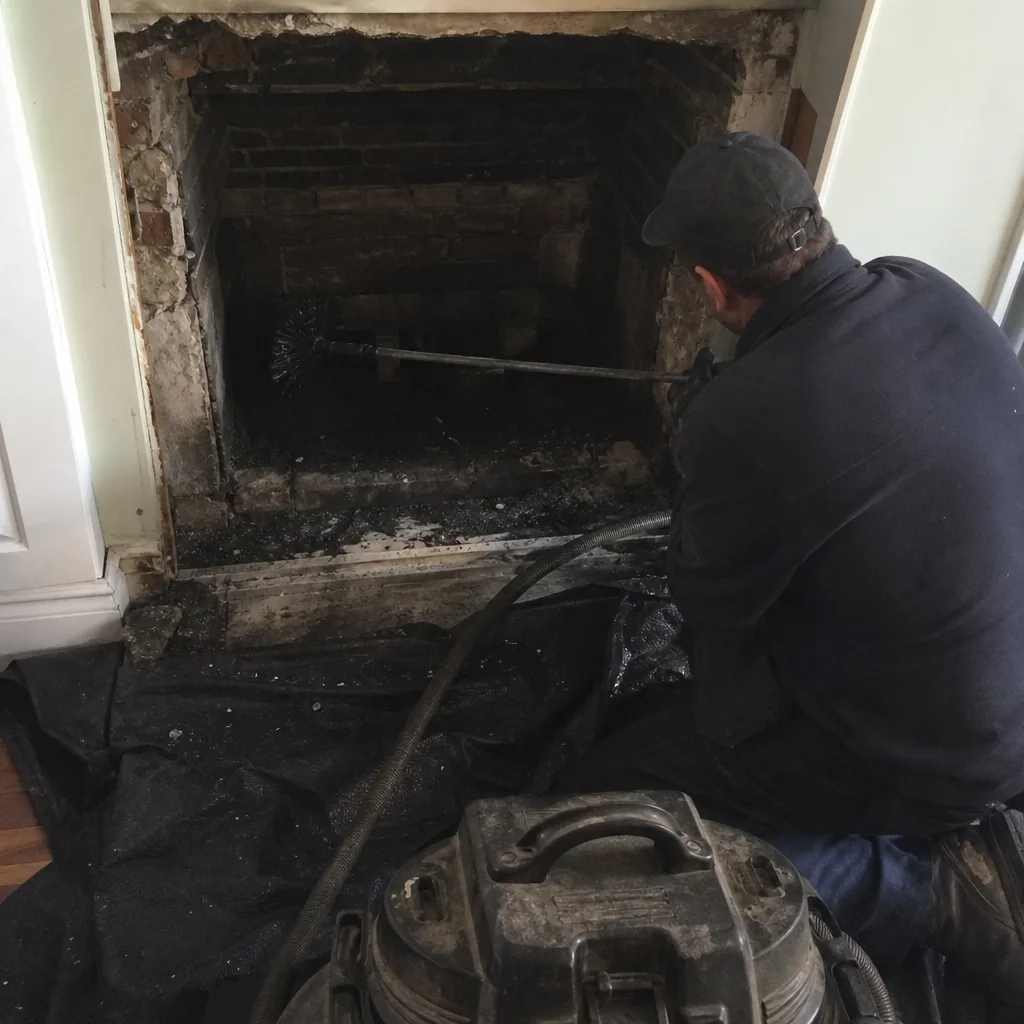 Before
 After
After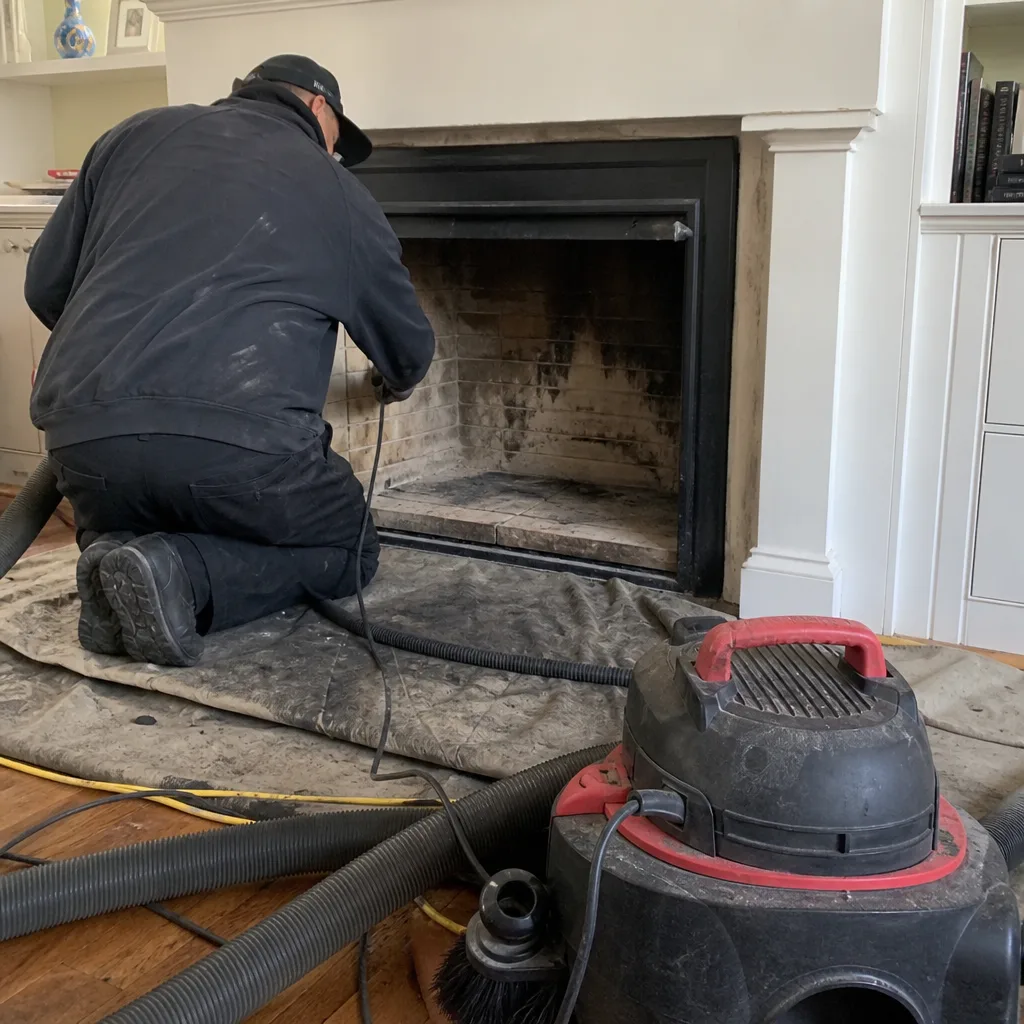 Before
 After
AfterSeasonal Chimney Cleaning Care for Jersey City: Year-Round Homeowner’s Guide
The worst time to schedule a chimney cleaning in Jersey City is the week the temperature first drops below 40 - not because sweeps are busiest (though they are), but because the mortar cap that was silently spalling all summer has now let enough water in to make the first fire dangerous. After 42 years of sweeping chimneys in Hudson County, we’ve learned that Jersey City’s chimney calendar isn’t summer-winter binary. The Hudson waterfront’s humidity, freeze-thaw cycling, and fall nor’easters each impose distinct stress on masonry and flues that require different responses at different times of year. This guide breaks down what to do, when to do it, and why the timing matters for homes from Paulus Hook to Journal Square.
Quick Answer
Jersey City homeowners should schedule chimney maintenance four times per year: a Level 2 camera inspection in spring to assess winter damage, a humidity check and damper service in summer, a professional cleaning in early fall before the first cold snap, and a mid-season condition check in January if the fireplace sees daily use. Homes west of Washington Street, facing the Hudson, deteriorate faster due to wind-driven rain and freeze-thaw cycling, and may need more frequent cap and crown attention than interior-block homes in Bergen-Lafayette.
Table of Contents
- Spring: Assessing Winter Damage in Jersey City
- Summer: Humidity, Rust, and the Closed-Flue Mistake
- Fall: The Pre-Season Cleaning Window
- Winter: Mid-Season Warning Signs to Heed
- The Hudson Waterfront Microclimate Effect
- A Jersey City Annual Chimney Maintenance Schedule
- Common Mistakes to Avoid
- When to Call a Professional
- Frequently Asked Questions
- The Bottom Line
Spring: Assessing Winter Damage in Jersey City
Spring is the single best time for a chimney cleaning and inspection in Jersey City. Not because it feels urgent - the fireplace is cold, the holidays are past - but because the damage is fresh and visible, and the sweep has time to do thorough work without a queue of frozen homeowners.
Jersey City’s winter delivers a specific pattern of abuse. Temperatures swing from the teens to the fifties and back again, sometimes within a week. Water enters hairline cracks in the mortar, freezes, expands, and widens those cracks. By March, we’ve often seen spalling - the surface of the brick flaking away like peeling paint - on chimneys that looked sound in October. The spring inspection catches this before summer humidity accelerates the decay.
Here’s what we check every April and May in Jersey City homes:
- The mortar crown. This is the concrete cap that seals the chimney top. In Jersey City, we see more crown failure than rural New Jersey because the urban heat island creates faster freeze-thaw cycling. A cracked crown lets water straight into the flue.
- Flue liner condition. Our Level 2 camera inspection sends a camera up the flue to document every crack, gap, or creosote buildup. The homeowner gets photos they can see and a plain-English verdict on whether the liner is safe for another season.
- Firebox and smoke chamber. Soot and creosote accumulate here even with normal use. We measure buildup against NFPA 211 standards.
- Damper operation. After a season of opening and closing, the damper may be sticky or misaligned. Spring is the time to address this, not November.
- Exterior masonry from the roofline. We look for white efflorescence (salt deposits from water intrusion), missing pointing, and brick spalling. In the Heights, where wind exposure is highest, we see more of this than downtown.
The spring inspection also sets up any needed repairs before the fall rush. If your liner needs replacement with a DuraFlex stainless steel system, or your crown needs HeatShield resurfacing, booking the work in April or May means you’re not competing with every other Jersey City homeowner who waited until October.
One more reason spring matters for Jersey City specifically: the city permit office is less backlogged. Certain repairs, particularly those involving structural masonry or liner replacement, may require inspection, so consult our Chimney Cleaning Permits, Codes & Inspections in NJ: What You Need to Know guide. Spring scheduling keeps your project clear of the October permit crunch.
Summer: Humidity, Rust, and the Closed-Flue Mistake
Jersey City summers are humid. Average July humidity hovers near 70 percent, and the Hudson River puts even more moisture in the air for waterfront homes. That humidity doesn’t spare your chimney just because you’re not using it.
The most common summer mistake we see is keeping the damper closed tight all summer. Homeowners think they’re keeping humidity out. In our experience, they’re trapping it in. A closed flue with no airflow becomes a stagnant column of moist air. The damper hardware rusts. Any residual soot absorbs moisture and becomes acidic, accelerating corrosion on the firebox walls. We’ve opened dampers in August that were frozen shut from rust that didn’t exist in May.
Here’s what we recommend for Jersey City chimneys from June through September:
- Keep the damper cracked open - just an inch - to allow passive airflow up the flue. This prevents the stagnant moisture trap.
- Run a dehumidifier in the basement or first floor if your home lacks central air. Lower ambient humidity means less moisture migrating up the chimney structure.
- Schedule cap and crown sealing if the spring inspection flagged any issues. Summer is ideal for masonry sealants and crown coatings because the surface is dry and temperatures are stable.
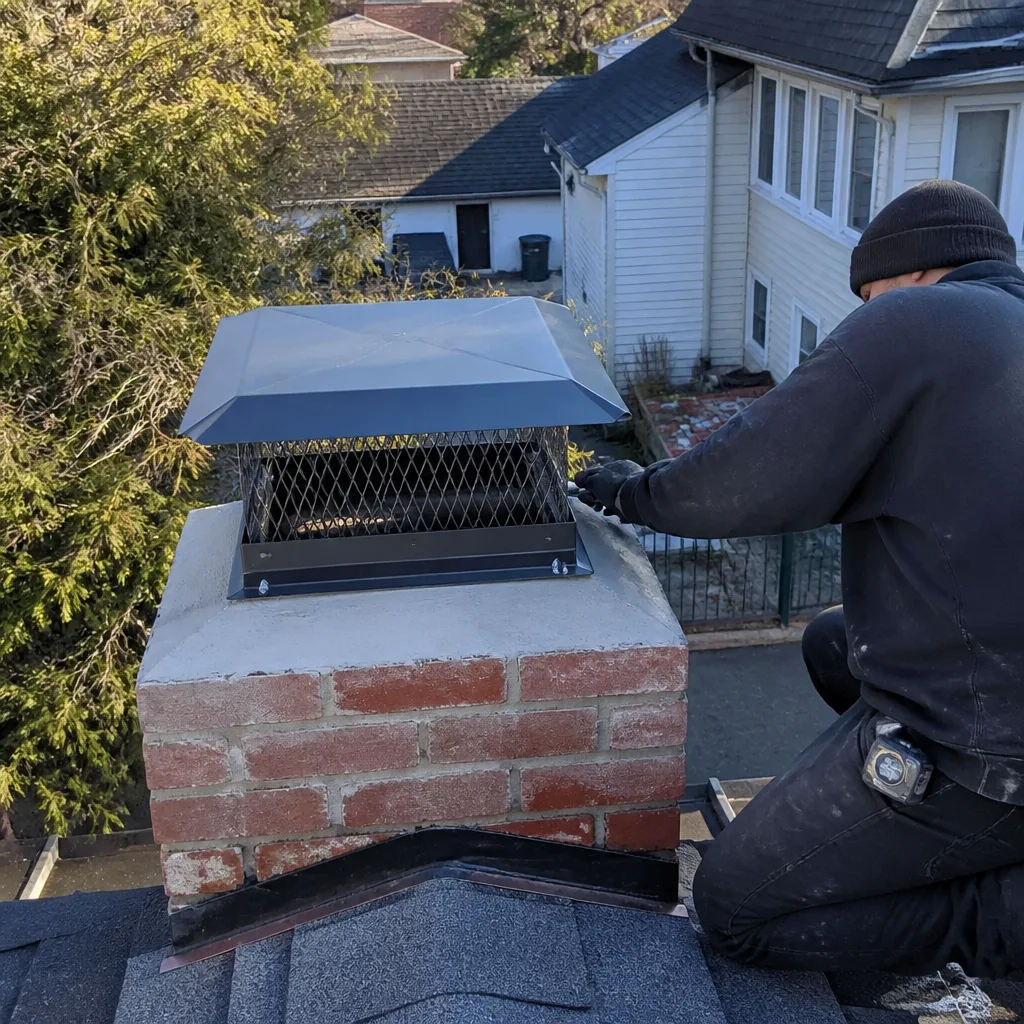
- Check for animal entry. Squirrels, raccoons, and chimney swifts are active. A Gelco chimney cap with proper mesh screening prevents nesting. We install more caps in July and August than any other months because homeowners hear scratching.
Summer is also when we handle fireplace services in Jersey City that don’t involve the flue: gas log set installation, firebox refractory panel replacement, and hearth extension repairs. These jobs don’t require a cold flue, so the timing is flexible. If you’re converting a wood fireplace to gas, summer means you’re ready before the first cold night.
For homes in Paulus Hook, Exchange Place, and other Hudson-facing neighborhoods, summer humidity combines with salt air to accelerate metal component corrosion. We’ve replaced damper assemblies in waterfront homes that were half the age of identical hardware in Journal Square. The difference was exposure, not use.
Fall: The Pre-Season Cleaning Window
Fall is when most Jersey City homeowners think about their chimney. The instinct is correct. The timing is usually not.
The dangerous window is the week of the first cold snap - typically mid-to-late October in Jersey City. That’s when every sweep’s phone rings at once, when the best technicians are booked two weeks out, and when homeowners light the first fire without an inspection because “it’s cold tonight and the chimney was fine last year.”
We do not recommend this. The chimney was not fine last year. It was merely uninspected.
The optimal fall cleaning window for Jersey City is September 1 through October 15. Here’s why this specific range matters:
- Labor availability. Before the rush, you get the A-team, not the seasonal hire. Our technicians at Hearthstone Chimney Co. are background-checked, uniformed, and complete most jobs in a single visit - but their calendars fill.
- Material cure times. If the inspection reveals crown cracks, liner gaps, or missing mortar, repairs need time to cure. A crown resurfaced on October 1 is fully cured by October 20. A crown resurfaced on October 25 may not be ready for the first fire.
- Permit and inspection scheduling. Jersey City’s building division processes permits faster in September than in late October, when contractors file en masse for heating system approvals.
- Weather reliability. Early fall rain is typically lighter and less wind-driven than late October nor’easters. Masonry work needs dry conditions.
What happens during a fall pre-season cleaning? We remove all creosote buildup from the previous burning season. We verify the flue is clear of obstructions. We inspect the liner for cracks that could allow carbon monoxide or sparks into wall cavities. We test draft performance - critical in Jersey City’s tighter, newer construction where negative pressure from exhaust fans can reverse chimney flow.
The cost of a fall cleaning in Jersey City typically runs $200-$350 for a standard wood-burning fireplace, depending on accessibility and creosote severity - see our Chimney Cleaning Cost Breakdown: The Jersey City Homeowner’s Reference for 2026 for full pricing details. A Level 2 camera inspection adds $150-$250. We provide no-hassle upfront pricing - the number on the estimate is the number on the invoice.
If you miss the September window, you haven’t failed. But you do need to adjust expectations. A late-October booking may push into November. Lighting the first fire before inspection is a gamble we don’t recommend.
Winter: Mid-Season Warning Signs to Heed
Winter in Jersey City is not the time for routine maintenance. It is the time for vigilance. A chimney that passed inspection in October can develop problems under the stress of daily use, and some of those problems justify stopping use of the fireplace until a professional evaluates it.
These are the mid-season warning signs we tell Jersey City homeowners to watch for:
- Smoke entering the room. Not a little puff on startup - that’s often cold air in the flue. But persistent smoke, or smoke that worsens as the fire burns, indicates a blocked flue, damaged liner, or failed draft. Stop using the fireplace. Carbon monoxide risk is real.
- Acrid, chemical smell. Creosote that has ignited partially leaves a distinct odor. If you smell something sharp and tar-like during or after a fire, the chimney may have experienced a small chimney fire. The flue liner may be cracked or distorted. Stop using the fireplace and schedule an inspection.
- Visible cracks in the firebox or hearth. Heat expands cracks. What was hairline in October can open enough to expose combustible framing. We see this most in pre-war Jersey City homes where the original firebox refractory has aged past service life.
- Water dripping in the firebox. This means the crown or cap has failed, or flashing has separated. Water and fire do not mix. The steam can damage masonry and create pressure that forces smoke into living spaces.
- White residue on exterior brick. Efflorescence that appears mid-winter means active water intrusion. The freeze-thaw cycle is ongoing, and spalling will follow.
- Damper that won’t fully open or close. A stuck-open damper wastes heat. A stuck-closed damper is a fire and CO hazard. Both need prompt attention.
Jersey City’s winter adds one specific stress: the nor’easter. These storms drive rain and snow horizontally into west-facing chimneys. We’ve responded to emergency calls in Newport and the Waterfront after storms where the cap had blown off and the flue was flooded. A Famco wind-directional cap reduces this risk for exposed chimneys.
If you experience any warning sign above, stop using the fireplace. The cost of a mid-season inspection is minor compared to the cost of a chimney fire, CO poisoning, or structural damage. Hearthstone Chimney Co. answers calls with a live person 24 hours a day, 7 days a week - not because we expect emergencies, but because they don’t wait for business hours.
The Hudson Waterfront Microclimate Effect
Not all Jersey City chimneys age at the same rate. The difference between a chimney in Paulus Hook and one in Bergen-Lafayette can be a decade of service life, and the primary driver is exposure to the Hudson waterfront microclimate.
Here’s how the microclimate breaks down across Jersey City neighborhoods:
| Location | Primary Stress | Typical Accelerated Damage | Recommended Response |
|---|---|---|---|
| West of Washington Street: Paulus Hook, Exchange Place, Newport, Hoboken border | Wind-driven rain and salt air from Hudson River; highest freeze-thaw cycling | Crown failure in 8-12 years vs. 15-20 inland; stainless steel damper corrosion; efflorescence and spalling on west-facing brick | Annual inspection; stainless steel or copper cap; crown sealant every 3-5 years; consider wind-directional cap |
| Central corridors: Downtown, Journal Square, McGinley Square | Urban heat island effect; moderate wind exposure; older housing stock with original masonry | Mortar degradation from thermal cycling; original terra cotta liner failure in pre-war homes; settlement cracks from age | Level 2 camera inspection every 2 years; repointing as needed; liner replacement with stainless steel when original fails |
| East and inland: Heights, Bergen-Lafayette, Greenville | Less wind exposure; more tree cover; basement moisture migration in low-lying areas | Slower exterior deterioration; internal moisture from basement; animal entry from overhead trees | Standard 2-year inspection cycle; cap with mesh screening; address basement humidity to protect firebox |
The waterfront effect is measurable. We’ve replaced Olympia Chimney stainless steel liners in Hudson-facing homes after 15 years that were still sound at 25 years in the Heights. The difference was salt air accelerating metal fatigue, combined with more frequent wet-dry cycling.
For homeowners in exposed locations, we recommend more frequent cap and crown maintenance, and we specify marine-grade stainless or copper hardware rather than galvanized steel. The upfront cost difference is modest. The replacement cost difference, spread over years, is significant.
One specific Jersey City factor: the PATH train and Holland Tunnel ventilation systems create localized pressure differentials that can affect draft in homes within a few blocks. We’ve diagnosed draft problems that weren’t chimney defects at all - they were building pressure imbalances. A proper draft test, not just a visual inspection, catches this.
A Jersey City Annual Chimney Maintenance Schedule
Here’s a practical calendar, based on what we’ve learned from four decades of chimney repair work in Jersey City:
March-April: Post-Winter Level 2 Inspection
Book after the last sustained freeze. We camera-inspect the flue, photograph the crown and cap, and deliver a written verdict with photos you can see. Any needed repairs are scheduled before the fall rush. This is when we catch freeze-thaw damage fresh.
May-June: Repair Window
Crown resurfacing with HeatShield, liner replacement with DuraFlex, repointing, and cap installation. Weather is reliable, materials cure properly, and our schedule is open.
July-August: Humidity Management & Cap Check
Verify damper is cracked open for airflow. Inspect for animal entry. Schedule any gas conversion or fireplace service that doesn’t require a cold flue. Install or replace chimney caps before nesting season peaks.
September 1-October 15: Pre-Season Cleaning
The critical window. Professional sweep of flue, smoke chamber, and firebox. Draft test. Final inspection of all components. Book by September 1 for preferred timing. Follow our Chimney Cleaning & Sweep Maintenance Checklist for Jersey City Homeowners to stay on track.
October 16-November 30: Late Booking / Backup Plan
If you missed the window, book now and delay first use until inspection is complete. Do not self-inspect. Creosote buildup and liner cracks are not visible from the firebox.
December-February: Vigilance
Monitor for warning signs listed in the Winter section. Stop use if smoke, odor, or visible damage appears. Call for mid-season inspection if concerned.
Common Mistakes to Avoid
- Waiting for the first cold night to book. By then, every reputable sweep in Jersey City is booked two weeks out, and the temptation to “just light it once” before inspection is dangerous. The chimney that was fine last year may have spent summer with a cracked crown and a waterlogged flue.
- Closing the damper tight all summer. This traps Hudson River humidity in the flue and rusts the hardware. We’ve replaced dampers that were functional in May and frozen solid by September.
- Assuming a gas fireplace needs no service. Gas logs produce moisture and acidic condensation. The venting system still needs inspection. We’ve found deteriorated b-vent connectors and blocked termination caps in Jersey City gas fireplaces that “never needed anything.”
- Hiring based on the lowest price without verifying what’s included. A $99 sweep that doesn’t include a camera inspection or written report leaves you with a clean flue and undetected liner damage. Our Level 2 inspection documents what you can’t see.
- Ignoring efflorescence on exterior brick. That white powder is salt left behind by evaporating water. It means water is getting in, and the freeze-thaw cycle is active. In Jersey City’s climate, efflorescence today means spalling next spring.
- Using the fireplace after a chimney fire without inspection. Even a small chimney fire can crack a terra cotta liner or distort a stainless steel one. The fireplace may appear to function normally while leaking CO or exposing framing to heat. Always inspect after any suspected fire event.
- Skipping maintenance on “decorative” fireplaces. In Jersey City’s older homes, many homeowners believe a boarded-up or unused fireplace needs no care. Water still enters. Animals still nest. Structural deterioration still progresses. An unused chimney needs inspection too.
When to Call a Professional
Call a certified chimney professional when you notice any mid-season warning sign, when it’s been more than two years since your last Level 2 inspection, when you’re buying or selling a home, or when you’re changing fuel types (wood to gas, or adding a wood insert to an open fireplace). In Jersey City, where housing stock ranges from 19th-century rowhouses to new construction with factory-built fireplaces, the “standard” approach rarely applies without assessment.
Hearthstone Chimney Co. offers free estimates in Jersey City - call (732) 507-9649. Every estimate includes a clear scope of work, no-hassle upfront pricing, and photos you can see with a plain-English verdict. Our 90-Day Done Right Promise means if it’s not right, we come back. In writing, no arguing.
Frequently Asked Questions
A standard chimney cleaning in Jersey City typically costs $200-$350 for a wood-burning fireplace, depending on creosote buildup severity and roof accessibility. A Level 2 camera inspection, which we recommend annually for waterfront homes and every two years for inland properties, adds $150-$250. Our $89 Seasonal Tune-Up covers basic inspection and minor adjustments for qualifying systems. Call (732) 507-9649 for an exact quote - estimates are free.
The National Fire Protection Association recommends annual inspection for all chimneys, with cleaning as needed based on creosote accumulation. In Jersey City, we find that homes burning wood 3+ times per week need annual sweeping. Occasional users may stretch to every two years if the annual inspection shows minimal buildup. Waterfront homes facing the Hudson should inspect annually regardless of use, due to accelerated weathering.
You should never accept a liner replacement recommendation without photo evidence you can see yourself. At Hearthstone Chimney Co., our Level 2 inspection delivers dated photos of every defect and a plain-English explanation of why it matters. Terra cotta liners crack with age and heat cycling; stainless steel liners eventually corrode in salt-air environments. If the sweep can’t show you the damage, get a second opinion. We offer free second opinions on any written estimate.
Three things progress predictably: creosote buildup increases chimney fire risk; moisture intrusion degrades masonry and metal components; and liner damage can allow carbon monoxide or sparks into wall cavities. In Jersey City’s dense housing, a chimney fire spreads fast to adjacent units. The cost of prevention - a few hundred dollars every year or two - is minor against the cost of fire damage, CO poisoning, or emergency rebuilding. Call (732) 507-9649 to schedule before the season turns.
Summer chimney odor usually means trapped moisture interacting with soot and creosote deposits. The closed damper creates a stagnant column of humid air - worse in Jersey City’s riverfront humidity. The solution is proper ventilation (crack the damper), a professional sweep to remove odor-absorbing deposits, and addressing any water intrusion at the crown or cap. Persistent sour smell may indicate animal presence, common in tree-lined neighborhoods like the Heights.
A proper chimney cap is essential in Jersey City. It prevents rain entry that drives freeze-thaw damage, blocks animal entry (squirrels, raccoons, chimney swifts are active year-round), and stops wind-driven debris. For Hudson-facing homes, a wind-directional cap also improves draft performance in gusty conditions. We install Gelco and Famco caps with appropriate mesh screening - never the cheap universal caps that rust out in two seasons.
The Bottom Line
Jersey City’s chimney maintenance is a year-round discipline, not a fall errand. The Hudson waterfront climate, urban density, and age of local housing stock create specific risks that reward proactive scheduling. Spring reveals winter’s damage while there’s time to fix it. Summer humidity demands ventilation, not sealing. Fall has a narrow optimal window before the rush. Winter requires vigilance for warning signs that justify stopping use. Homes facing the river need more frequent attention than those inland. The homeowners who avoid emergencies are the ones who treat each season as its own maintenance chapter - and who work with professionals who document, explain, and stand behind their work.
Done right - and we stand behind it.
Written by Russell Haines, Owner at Hearthstone Chimney Co., serving Jersey City since 2014.