
Last updated September 10, 2026
Level 1 sweep and inspection to the NFPA 211 annual standard - flue, crown, cap, and flashing checked and photographed
Chimney sweep logs do not sweep chimneys. They loosen some creosote - which then falls where a brush and vacuum still have to collect it.
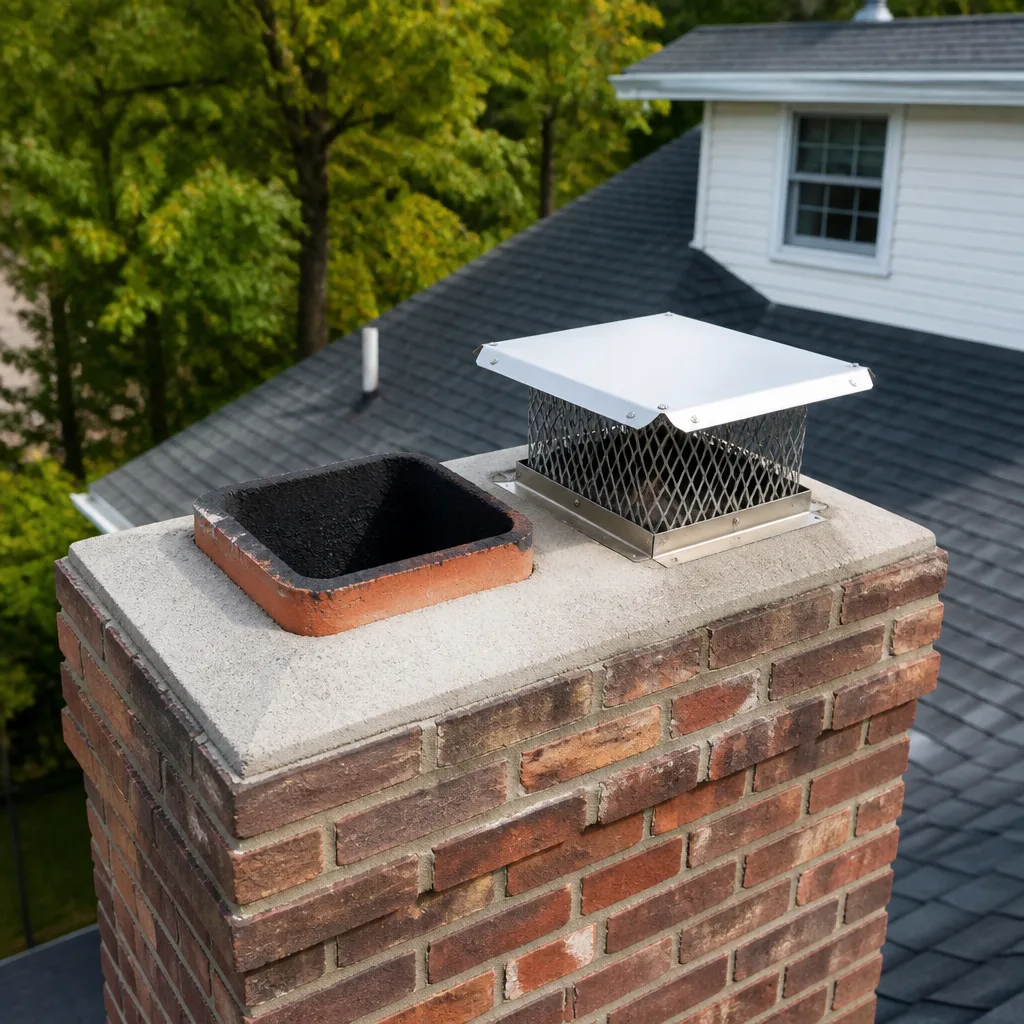
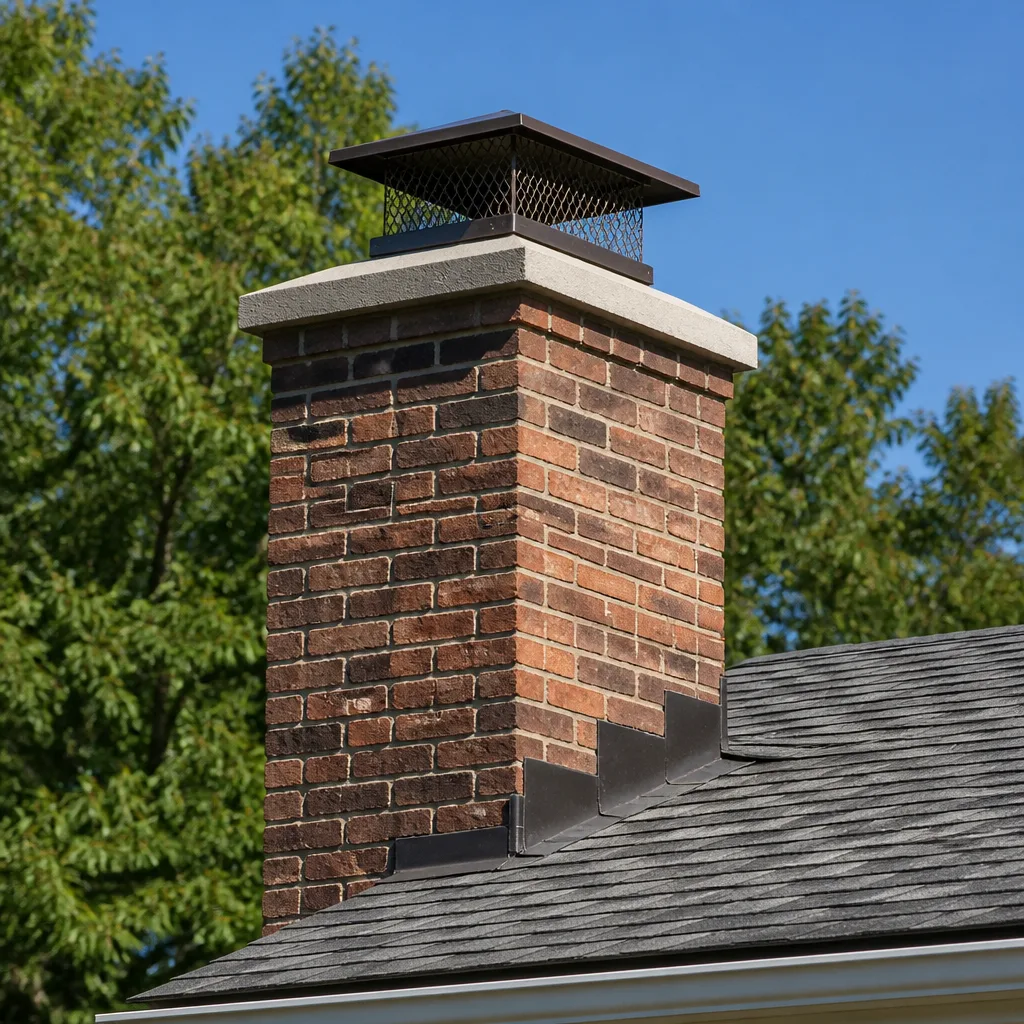
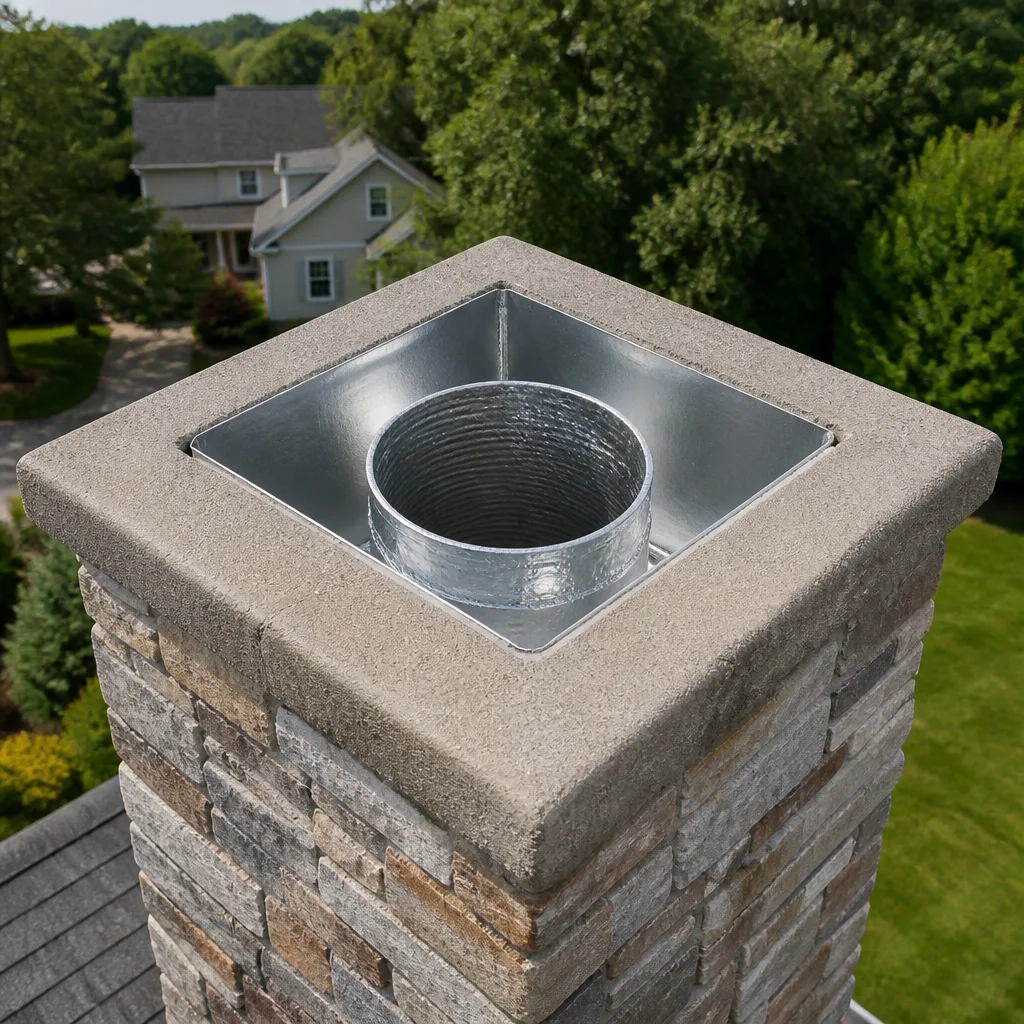
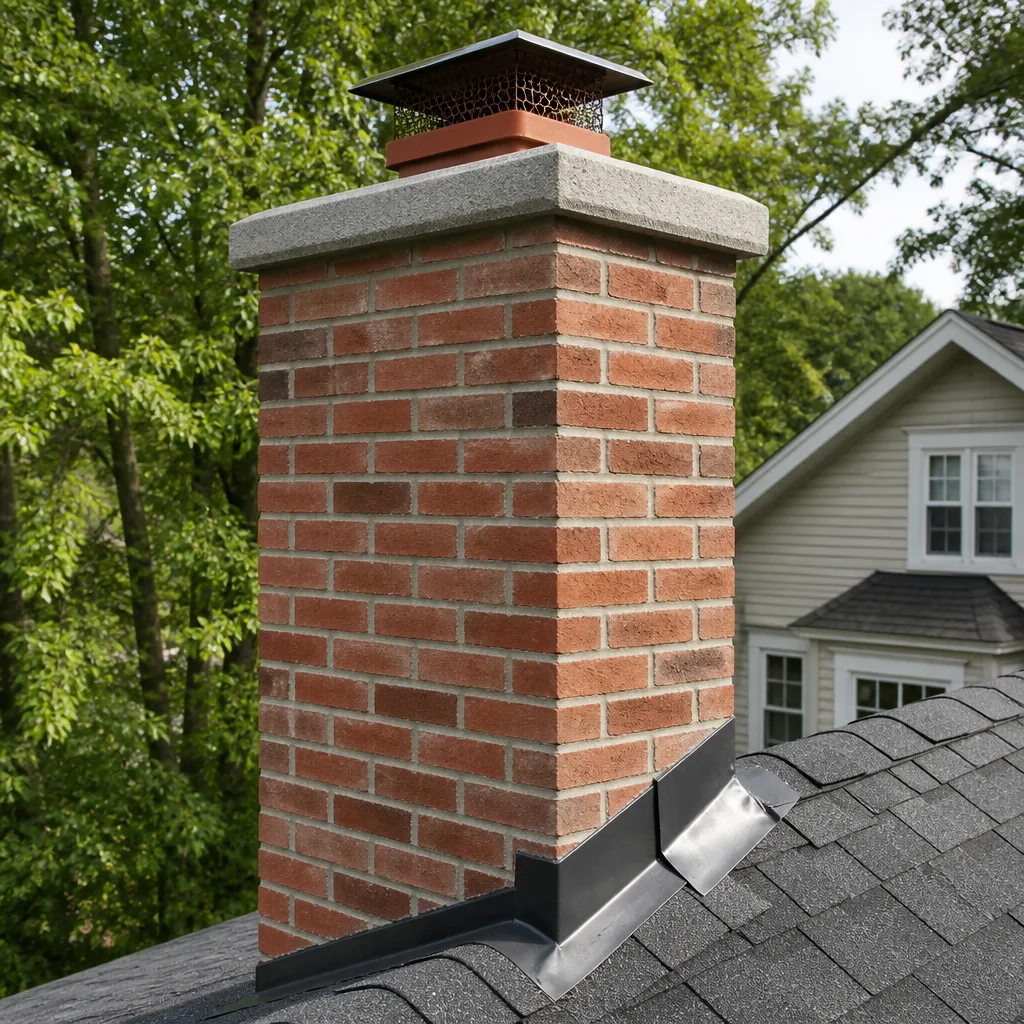
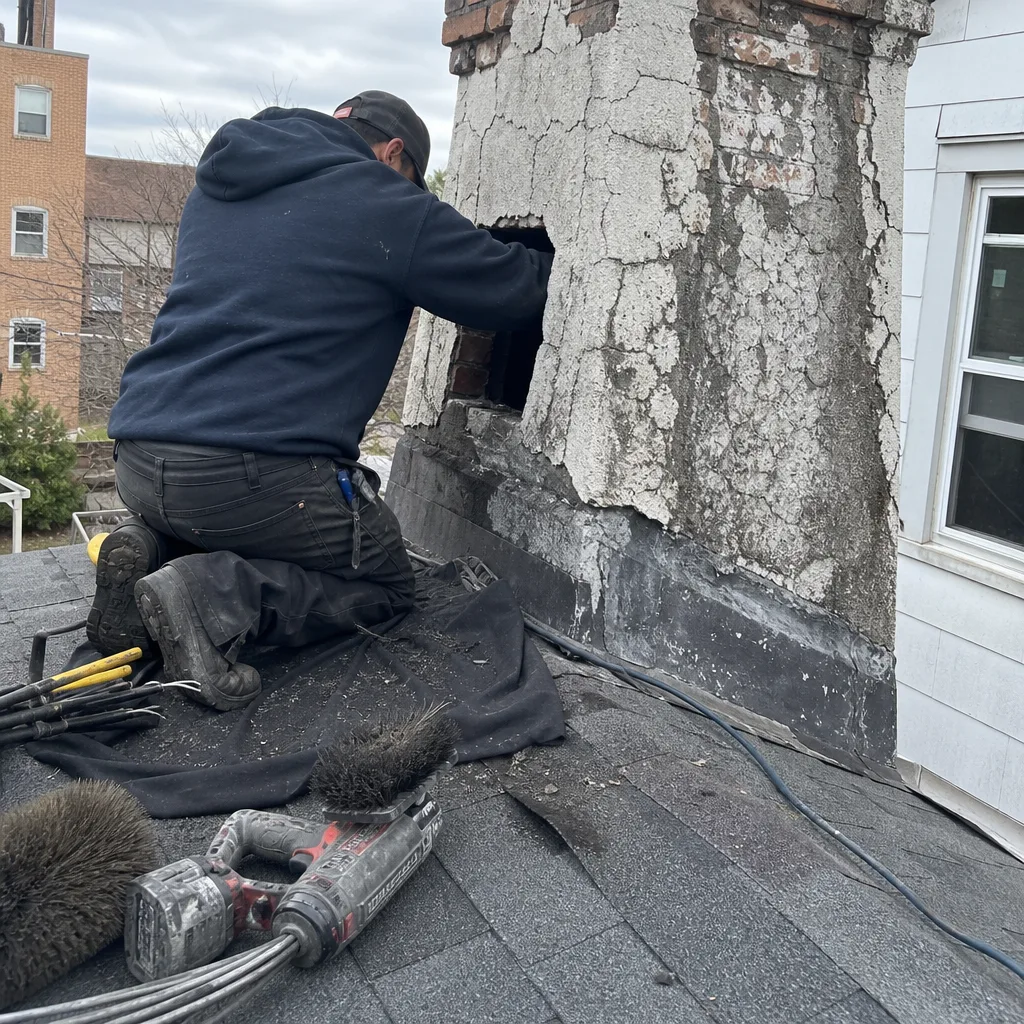 Before
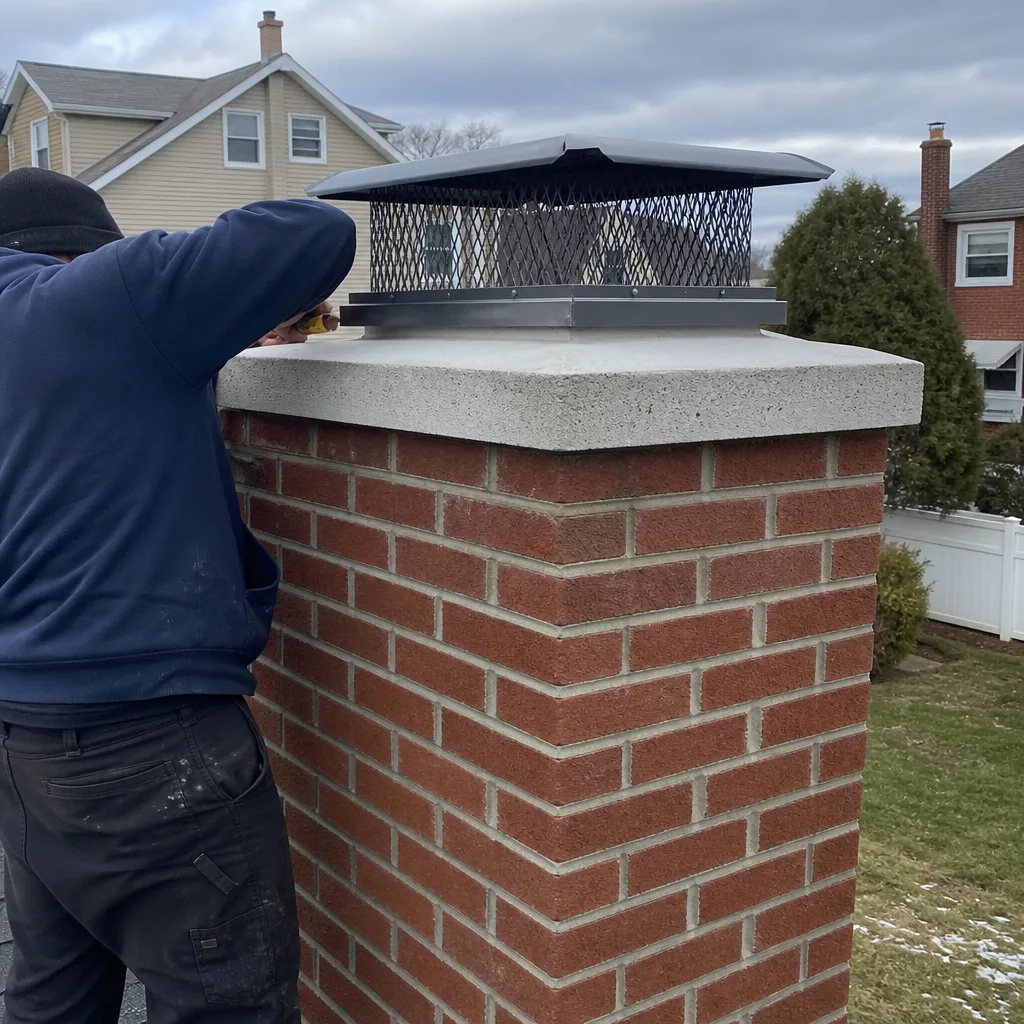 After
After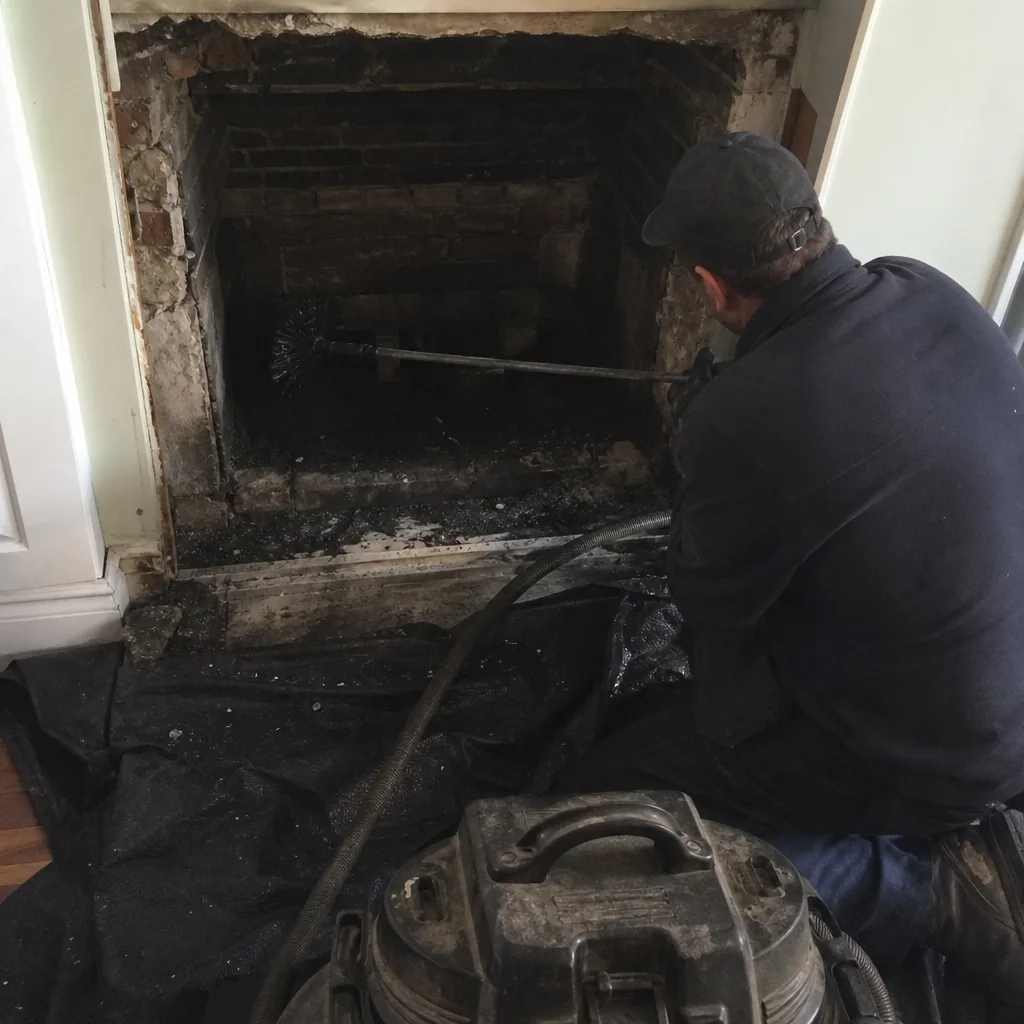 Before
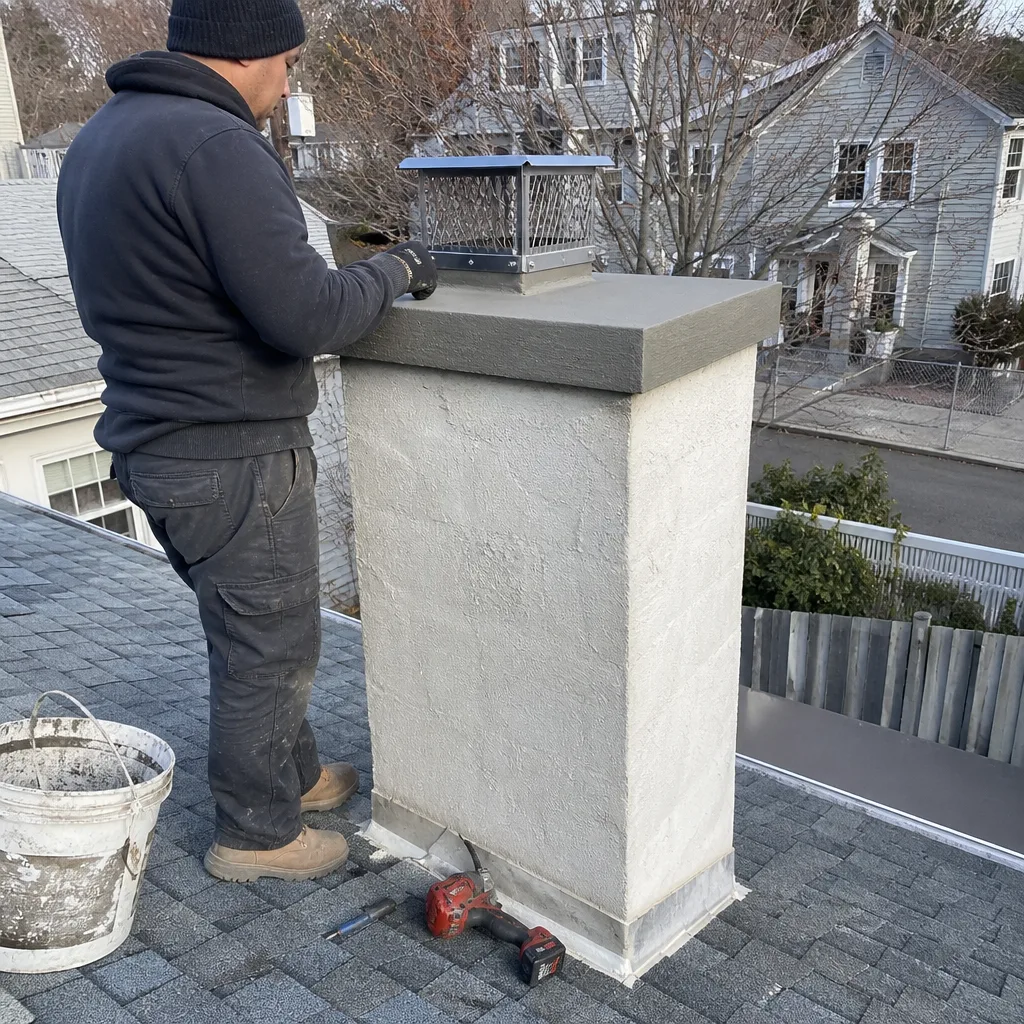 After
After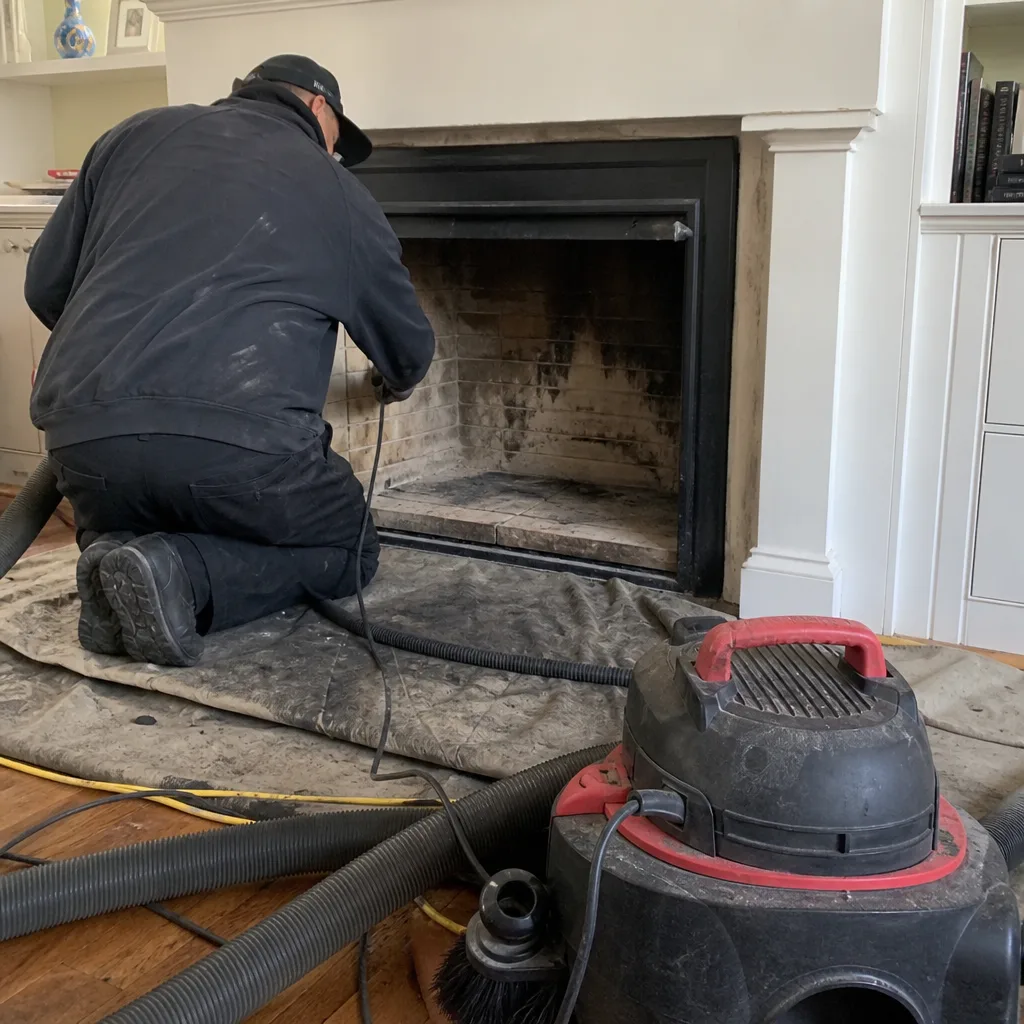 Before
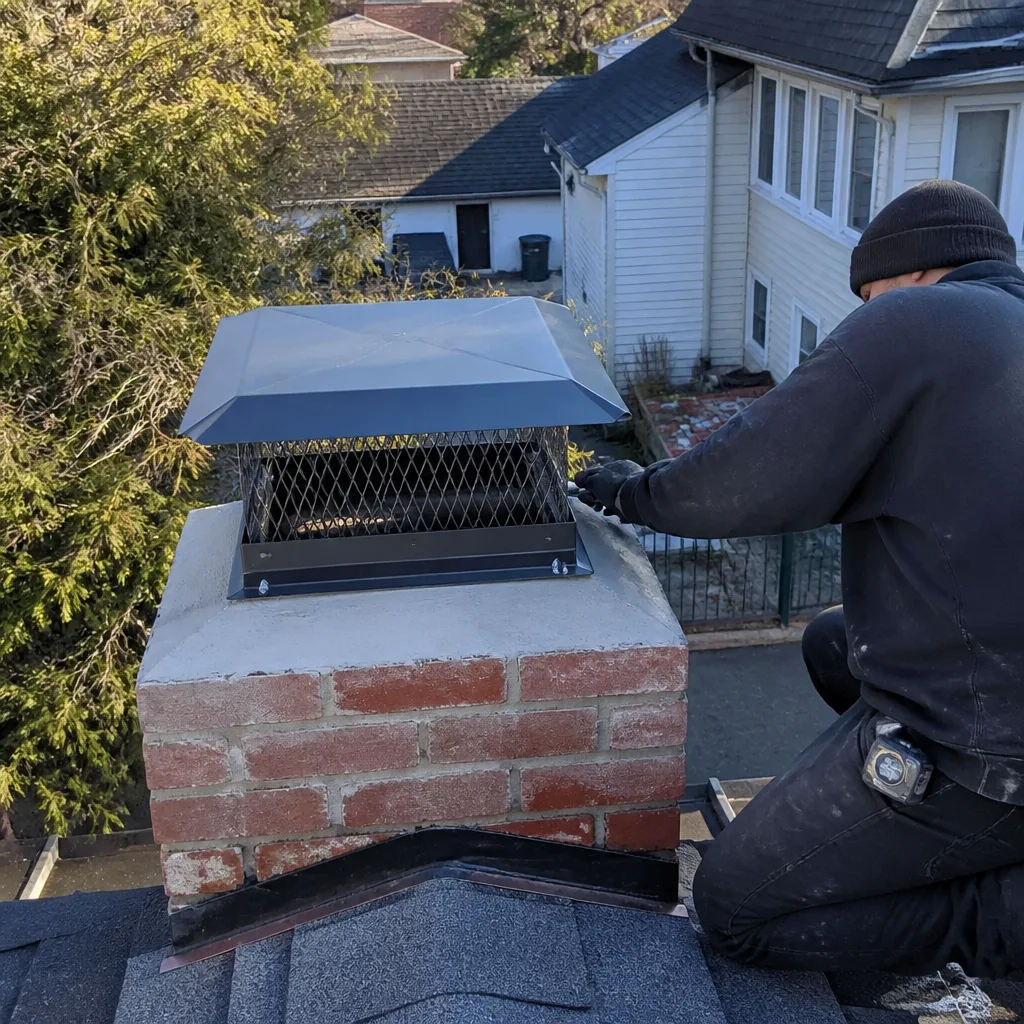 After
AfterChimney Cleaning Permits, Codes & Inspections in NJ: What You Need to Know
Here is the counterintuitive truth most Jersey City homeowners learn too late: a routine chimney sweep requires zero permits, but the moment your technician finds a cracked liner and replaces it, you’ve crossed into permit territory. We’ve inspected thousands of chimneys across Hudson County since 1984, and the most expensive mistake we see isn’t the repair itself. It’s the homeowner who completed a liner replacement without pulling the proper permit, only to face a failed inspection at closing or a denied insurance claim after a fire. This guide-along with our Complete Guide to Chimney Cleaning in Jersey City-explains exactly where New Jersey’s layered code system draws the line between maintenance and construction, what permits you actually need, and how to protect yourself when selling your home.
Quick Answer
Routine chimney cleaning and sweeping in New Jersey requires no permit under state or Jersey City code. However, liner replacement, structural repairs, crown rebuilding, and any work altering the chimney’s appliance connection or venting configuration require permits under the New Jersey Uniform Construction Code and local Jersey City ordinances. NFPA 211 provides the safety standard that governs inspection frequency and methodology, but it does not override local permitting requirements.
Table of Contents
- Which Chimney Jobs Require Permits in Jersey City?
- NFPA 211 vs. New Jersey Uniform Construction Code: Which Controls?
- The Three Inspection Levels Required by Code
- What Unpermitted Work Does to Insurance and Resale
- Pulling Permits: Homeowner vs. Licensed Contractor
- Jersey City-Specific Requirements and Climate Considerations
- Common Mistakes to Avoid
- When to Call a Professional
- Frequently Asked Questions
Which Chimney Jobs Require Permits in Jersey City?
New Jersey operates under a uniform construction code administered at the local level, which means Jersey City enforces state standards with additional municipal requirements. Understanding the permit threshold saves you from unpermitted conditions that surface during real estate transactions.
Permit-Exempt: Routine Maintenance
The following activities are classified as maintenance and do not require permits in Jersey City:
- Annual chimney sweeping and cleaning to remove creosote deposits and debris
- Level-1 visual inspections without alteration of any component
- Cap and spark arrestor installation on existing flues (non-structural)
- Firebox brick repointing that does not alter the firebox dimensions or appliance connection
- Damper repair or replacement of like-for-like components
We’ve performed thousands of these maintenance visits across Jersey City’s historic districts, from Paulus Hook to the Heights. The work is straightforward, documented with photos, and requires no municipal involvement.
Permit-Required: Construction and Alteration
Jersey City Building Division requires permits for:
- Chimney liner replacement or installation - including flexible stainless steel liners from DuraFlex, cast-in-place systems, or rigid liners
- Crown rebuilding or structural repair - any work affecting the chimney’s weatherproofing integrity above the roofline
- Chimney rebuilding or partial reconstruction - including spalling brick replacement that exceeds 25% of the structure
- Appliance change-outs - converting from oil to gas, installing a wood-burning insert, or changing BTU ratings
- Thimble or connector modifications - altering the path or diameter of venting connections
- New chimney construction - whether masonry or factory-built systems
The critical distinction: if the work changes the venting configuration, load-bearing capacity, or appliance connection, it triggers permit requirements. In our experience, roughly 40% of “cleaning” calls in Jersey City’s older housing stock reveal warning signs that cross this threshold.
The Gray Area: What Inspectors Actually Flag
Jersey City inspectors have discretion on certain repairs. We’ve seen permit requirements enforced inconsistently for:
- HeatShield cerfractory flue resurfacing (sometimes classified as repair, sometimes as liner work)
- Smoke chamber parging that alters chamber dimensions
- Exterior waterproofing that involves crown coating versus full rebuild
Our practice: when in doubt, we verify with the Building Division before work begins. The fifteen-minute phone call prevents weeks of headache at resale.
NFPA 211 vs. New Jersey Uniform Construction Code: Which Controls?
Homeowners encounter two authoritative documents and assume they operate the same way. They do not. Understanding the hierarchy prevents dangerous compliance gaps.
What Each Document Actually Is
NFPA 211 (Standard for Chimneys, Fireplaces, Vents, and Solid Fuel-Burning Appliances) is a safety standard published by the National Fire Protection Association. It specifies inspection frequencies, clearance requirements, construction methods, and maintenance protocols. It is not law unless adopted by reference.
The New Jersey Uniform Construction Code (UCC) is state law, administered through the Department of Community Affairs and enforced by local construction officials. The UCC adopts NFPA 211 by reference for chimney construction and venting, but adds permit requirements, contractor licensing rules, and enforcement mechanisms that NFPA 211 lacks.
The Hierarchy in Practice
When standards conflict, New Jersey follows this order:
- Local amendments to the UCC take precedence if stricter than state code
- The UCC base code governs where no local amendment exists
- Referenced standards (including NFPA 211) fill gaps the UCC does not address
Jersey City has not adopted chimney-specific amendments beyond the base UCC, so the state code controls. However, Jersey City’s flood zone designation in certain waterfront neighborhoods affects foundation and exterior chimney requirements through the floodplain management ordinance. We’ve replaced liners in homes near the Hudson River where flood recovery work triggered additional inspections.
Where NFPA 211 Matters Most
NFPA 211 controls the quality and methodology of work even where the UCC governs permitting. Specifically:
- Inspection Level definitions (Level 1, 2, 3) originate in NFPA 211 and are incorporated into New Jersey’s inspection protocols
- Clearance-to-combustible requirements for chimney connectors and enclosures
- Creosote accumulation thresholds that trigger cleaning (1/8 inch)
- Factory-built chimney and fireplace installation per manufacturer instructions
A contractor can pull the proper permit yet perform substandard work that violates NFPA 211. Conversely, perfect NFPA 211 compliance does not satisfy UCC permitting requirements. Both matter.
Our Documentation Standard
At Hearthstone Chimney Co. home, every Level-2 inspection produces photos the homeowner can see and a plain-English verdict. We reference NFPA 211 inspection criteria and note any UCC permit requirements triggered by our findings. Documentation like this protects you if questions arise years later.
The Three Inspection Levels Required by Code
NFPA 211 defines three inspection levels, and New Jersey’s adoption means these definitions carry legal weight. The level required depends on the triggering event, not the homeowner’s preference.
Level 1: Annual Maintenance Inspection
Required annually for chimneys in continued service with no changes to appliance or fuel type. We perform a visual examination of readily accessible portions of the chimney exterior, interior, and connecting appliances. No special tools, no climbing equipment, no camera.
Most Jersey City homeowners with functioning gas fireplaces or wood stoves need only Level 1 annually, per our Chimney Cleaning & Sweep Maintenance Checklist for Jersey City Homeowners. The inspection confirms clear flue passage, proper damper operation, and absence of obvious deterioration.
Level 2: Real Estate Transaction, Chimney Fire, or System Change
Required by NFPA 211 and New Jersey real estate disclosure law when:
- Property ownership changes
- A chimney fire has occurred
- Fuel type or appliance type changes (gas to wood, insert installation, etc.)
- Building damage affects the chimney (fire, earthquake, lightning strike)
- A new liner or connecting appliance is installed
Level 2 includes everything in Level 1 plus accessible portions of the chimney exterior and interior, including attics, crawl spaces, and basements. Critically, it requires a video scan of the flue interior. Our technicians use specialized cameras to document flue liner condition, joint alignment, and creosote accumulation patterns.
In Jersey City’s Bergen-Lafayette and Journal Square neighborhoods, we’ve documented Level-2 findings that prevented catastrophic failures. The 1920s construction common there often conceals terra cotta liner degradation invisible from the firebox.
Level 3: Concealed Hazard Investigation
Required when Level 1 or 2 inspection suggests a concealed hazard that cannot be evaluated without demolition. Level 3 permits removal of building components (walls, chimney surrounds, framing) to access hidden portions of the chimney system.
This is rare but necessary. We’ve performed Level 3 investigations in Jersey City brownstones where water infiltration behind plaster indicated possible chimney structure compromise. The level is determined by the hazard, not the cost.
Inspection Documentation and Your Records
New Jersey does not mandate specific inspection documentation formats, but real estate attorneys in Hudson County increasingly request NFPA 211-compliant reports. Our reports include:
- Date, address, and technician identification
- Inspection level performed and triggering event
- Photo documentation of all accessible areas
- Measured creosote deposits and clearance verification
- Specific recommendations with priority classification (safety, maintenance, cosmetic)
- Permit requirements for any recommended construction work
Keep these records. They satisfy disclosure obligations and support insurance claims.
What Unpermitted Work Does to Insurance and Resale
This is where the abstract becomes expensive. We’ve received calls from homeowners who discovered unpermitted liner replacements during pre-listing inspections, facing delayed closings or buyer demands for retroactive permits.
Insurance Claim Denial
Homeowner’s insurance policies contain standard provisions requiring compliance with applicable building codes. After a chimney fire, insurers investigate permit history for any recent chimney work. Unpermitted liner replacement gives the insurer grounds to deny or reduce the claim, arguing the unpermitted condition contributed to the loss.
We’ve reviewed cases where homeowners paid $2,800 for a liner replacement from an unlicensed operator who never pulled a permit. After a subsequent fire, the insurer denied a $47,000 claim for structural damage. The savings on the original work cost twenty times as much.
Property Disclosure Obligations
New Jersey’s Seller’s Property Condition Disclosure Statement specifically asks about “any work performed without required permits.” Answering falsely exposes the seller to post-closing liability. Answering truthfully about unpermitted chimney work triggers buyer negotiation or mortgage lender concerns.
Jersey City’s active real estate market means buyers conduct thorough due diligence. A missing permit for recent chimney work appears on title searches and municipal lien certificates. The disclosure problem does not age out.
The Retroactive Permit Process
Jersey City allows retroactive permitting, but the process is deliberately punitive:
- Application with detailed scope of completed work
- Full inspection by the Building Division (often requiring exposure of covered work)
- Possible requirement to bring other systems to current code if triggered
- Penalty fees of 200-400% of original permit cost
- Licensed contractor affidavit that work meets current code
We’ve guided homeowners through this process. It always costs more than doing it correctly the first time.
Mortgage and Title Issues
Lenders increasingly require permit verification for structural and mechanical work. Unpermitted chimney conditions appear as title exceptions, requiring resolution before funding. In cash-heavy Jersey City transactions, this matters less, but conventional financing buyers face delays.
Pulling Permits: Homeowner vs. Licensed Contractor
New Jersey permits certain homeowner-performed work while restricting other work to licensed contractors. The distinction matters for liability, insurance, and resale.
Homeowner Permit Eligibility
Under the UCC, homeowners may pull permits for work on their owner-occupied, single-family dwelling if they:
- Personally perform all work (no employees, no day laborers)
- Obtain all required inspections
- Sign an affidavit assuming full responsibility for code compliance
This applies to chimney work classified as repair or maintenance. However, Jersey City Building Division interprets liner replacement as mechanical work requiring a licensed Mechanical Contractor or Master HVACR contractor license. Homeowners cannot self-permit liner replacement in practice.
Contractor Permit Requirements
Chimney work requiring permits must be performed by contractors holding:
- New Jersey Home Improvement Contractor registration (for general chimney repair)
- Master HVACR or Mechanical Contractor license (for liner and venting work)
- Proper liability insurance and workers compensation coverage
The contractor pulls the permit in their name, not the homeowner’s. This creates a clear chain of accountability. Our technicians carry documentation verifying these credentials for every Jersey City permit application.
The Risk of Homeowner-Permitted Work
Even when legally permitted, homeowner-performed chimney work creates problems:
- No contractor warranty or recourse for defective work
- Homeowner’s insurance may exclude self-performed mechanical work
- Resale disclosure requires acknowledgment of non-professional work
- Building inspectors apply stricter scrutiny to homeowner permits
We’ve repaired homeowner-permitted crown rebuilds in Jersey City Heights where improper mortar mix accelerated deterioration. The original permit was legal; the execution was not.
Verifying Contractor Credentials
Before permitting work, verify:
- Active New Jersey HIC registration at NJ Consumer Affairs
- Appropriate trade license for the specific work
- Certificate of insurance naming you as additional insured during the project
- Workers compensation coverage for all employees
We provide this documentation without request. A contractor who hesitates has something to hide.
Jersey City-Specific Requirements and Climate Considerations
Jersey City’s location on the Hudson River, its dense urban construction, and its mix of historic and modern housing create conditions that affect chimney performance and code compliance.
Freeze-Thaw Cycling and Masonry Deterioration
Jersey City experiences approximately 90 freeze-thaw cycles annually, accelerating spalling and mortar degradation in exposed chimney structures. The UCC requires freeze-thaw resistant materials for exterior chimney reconstruction, but this is often overlooked in quick repairs.
We’ve documented premature failure in chimneys repaired with standard Type N mortar where Type S or refractory mortar was required. The permit inspection catches this; unpermitted work does not.
Historic District and Landmark Considerations
Properties in Jersey City historic districts (Paulus Hook, Van Vorst Park, Hamilton Park, portions of the Heights) require additional review for exterior chimney modifications. The Historic Preservation Commission reviews changes to visible architectural features, including chimney caps, pots, and exterior profiles.
This is separate from Building Division permits but equally mandatory. We’ve coordinated simultaneous HPC and Building Division approvals for crown rebuilds in landmark districts. Starting work without HPC approval triggers stop-work orders and penalties.
Multi-Family and Condo Complexities
Jersey City’s high density means many chimneys serve multiple units or are governed by condominium associations. The UCC requires permits for work affecting common elements, and condo boards often impose additional requirements beyond code minimums.
We’ve performed liner replacements in Downtown Jersey City condos where the association required engineering review, contractor insurance minimums of $2 million, and specific material approvals. The Building Division permit was the simplest part of the process.
Wind Exposure and Cap Requirements
Jersey City’s waterfront location creates higher wind loads than inland New Jersey municipalities. NFPA 211 references manufacturer specifications for cap retention, but we’ve found that standard cap designs fail more frequently here than in our Morris County service area.
We specify Gelco and Famco caps with enhanced wind retention for Jersey City installations. The modest additional cost prevents callbacks and water damage.
Proximity to Neighboring Structures
Jersey City’s narrow lot widths create clearance challenges. NFPA 211 requires minimum chimney height above adjacent structures to prevent downdraft and ensure proper draft. We’ve engineered extended flue solutions for properties where standard height proved insufficient due to neighboring building additions.
Common Mistakes to Avoid
- Assuming all chimney work is maintenance. Many homeowners believe liner replacement is “just cleaning.” Jersey City classifies it as mechanical work requiring permits and licensed contractors.
- Accepting verbal permit assurances. Unlicensed operators often claim they’ll “take care of permits” and never do. Verify permit numbers through the Jersey City Building Division before payment.
- Skipping Level-2 inspection after chimney fires. NFPA 211 mandates Level-2 inspection after any fire, no matter how small. Hidden thermal damage to terra cotta liners is invisible without camera inspection.
- Using homeowner permits for contractor-performed work. This violates UCC provisions and voids contractor warranties. If the contractor asks you to pull the permit, find a different contractor.
- Ignoring historic preservation requirements. Exterior modifications in Jersey City landmark districts without HPC approval trigger stop-work orders and mandatory restoration at the owner’s expense.
- Failing to document inspections. New Jersey’s disclosure law requires knowledge of chimney condition. Without dated inspection reports, you cannot truthfully complete disclosure forms.
- Assuming insurance covers unpermitted work. Standard homeowner policies exclude losses arising from known code violations. The unpermitted condition must be disclosed, creating coverage gaps.
When to Call a Professional
Certain conditions require immediate professional evaluation regardless of permit status. Call a qualified chimney professional when you observe smoke backing up into the room, visible cracks in the firebox or flue liner, water staining on walls or ceilings near the chimney, a strong odor of creosote during heating season, or debris falling into the fireplace.
After any chimney fire, even one extinguished quickly, NFPA 211 requires Level-2 inspection before further use. The thermal shock damages liners in ways invisible from the firebox.
Hearthstone Chimney Co. offers free estimates in Jersey City. Our Level-2 camera inspections produce photos you can see and a plain-English verdict, with clear documentation of any permit requirements triggered by our findings. Chimney Cleaning & Sweep in Jersey City services include full documentation for your records. Call (732) 507-9649 to schedule. A live person answers every call, 24 hours a day.
Frequently Asked Questions
No. Routine chimney cleaning, sweeping, and Level-1 visual inspection are classified as maintenance and require no permit under the New Jersey Uniform Construction Code or Jersey City ordinances. Call (732) 507-9649 for an exact quote on annual maintenance - estimates are free.
Level-1 inspection typically ranges $149-$249, while Level-2 camera inspection ranges $289-$449 depending on chimney height and accessibility. Our $89 Seasonal Tune-Up includes Level-1 inspection and basic maintenance for qualifying systems. Call (732) 507-9649 for exact pricing for your home.
A liner is required when the existing flue is cracked, misaligned, improperly sized for the appliance, or unlined entirely. We never recommend liner replacement without camera evidence you can see yourself. In our experience, roughly 30% of Jersey City chimneys built before 1960 have deteriorated terra cotta that requires relining for safe operation. Call (732) 507-9649 for a documented evaluation.
NFPA 211 requires annual inspection for all chimneys. Sweeping frequency depends on use: wood-burning systems typically need annual sweeping, gas systems every 2-3 years, and oil systems annually due to soot accumulation. Jersey City’s heating season runs longer than southern New Jersey, so we see heavier creosote buildup in frequently used wood stoves. Call (732) 507-9649 to schedule before burning season.
Accumulated creosote creates chimney fire risk, and deteriorated liners permit carbon monoxide intrusion into living spaces. In Jersey City’s tightly constructed row houses and condos, CO migration between units is a documented hazard. Annual inspection identifies these conditions before they become emergencies. The cost of maintenance is predictable; the cost of failure is not. Call (732) 507-9649 to establish a maintenance schedule.
You can, but you must disclose it, and buyers will negotiate accordingly. New Jersey’s disclosure form specifically asks about unpermitted work. Mortgage lenders may require retroactive permits. The most practical path is professional evaluation, permit remediation, and documentation. We’ve assisted Jersey City homeowners through this process. Call (732) 507-9649 for guidance specific to your situation.
The Bottom Line
New Jersey’s chimney regulatory landscape layers state uniform code, local Jersey City enforcement, and NFPA 211 safety standards into a system that rewards informed homeowners and penalizes shortcuts. Routine cleaning requires no permits. Liner replacement, structural repair, and appliance changes do. The documentation you maintain today determines your options at resale and your protection after a fire. Work with contractors who verify permits, provide photo documentation, and stand behind their work in writing. The modest cost of doing it correctly is always less than the cost of discovering the error later.
Written by Russell Haines, Owner at Hearthstone Chimney Co., serving Jersey City since 2014.