
Last updated September 10, 2026
Level 1 sweep and inspection to the NFPA 211 annual standard - flue, crown, cap, and flashing checked and photographed
Chimney sweep logs do not sweep chimneys. They loosen some creosote - which then falls where a brush and vacuum still have to collect it.
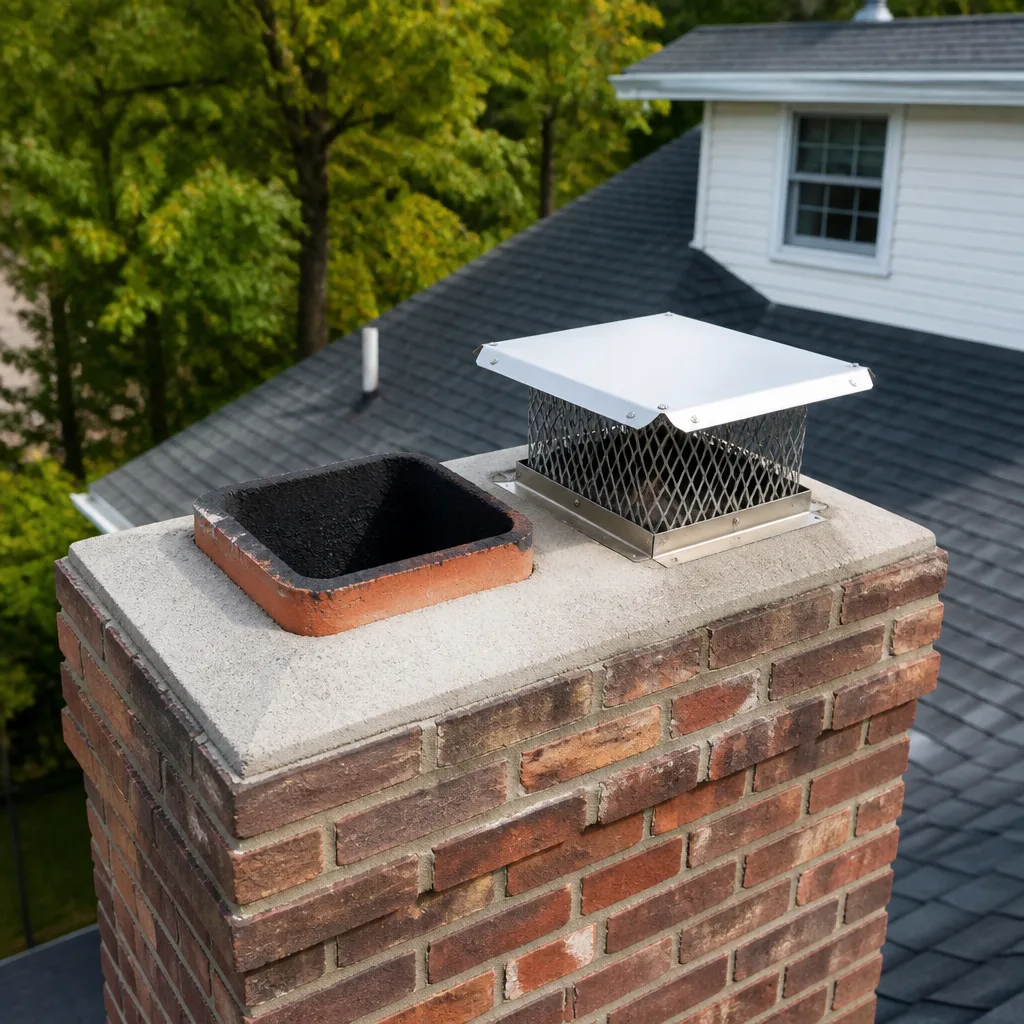
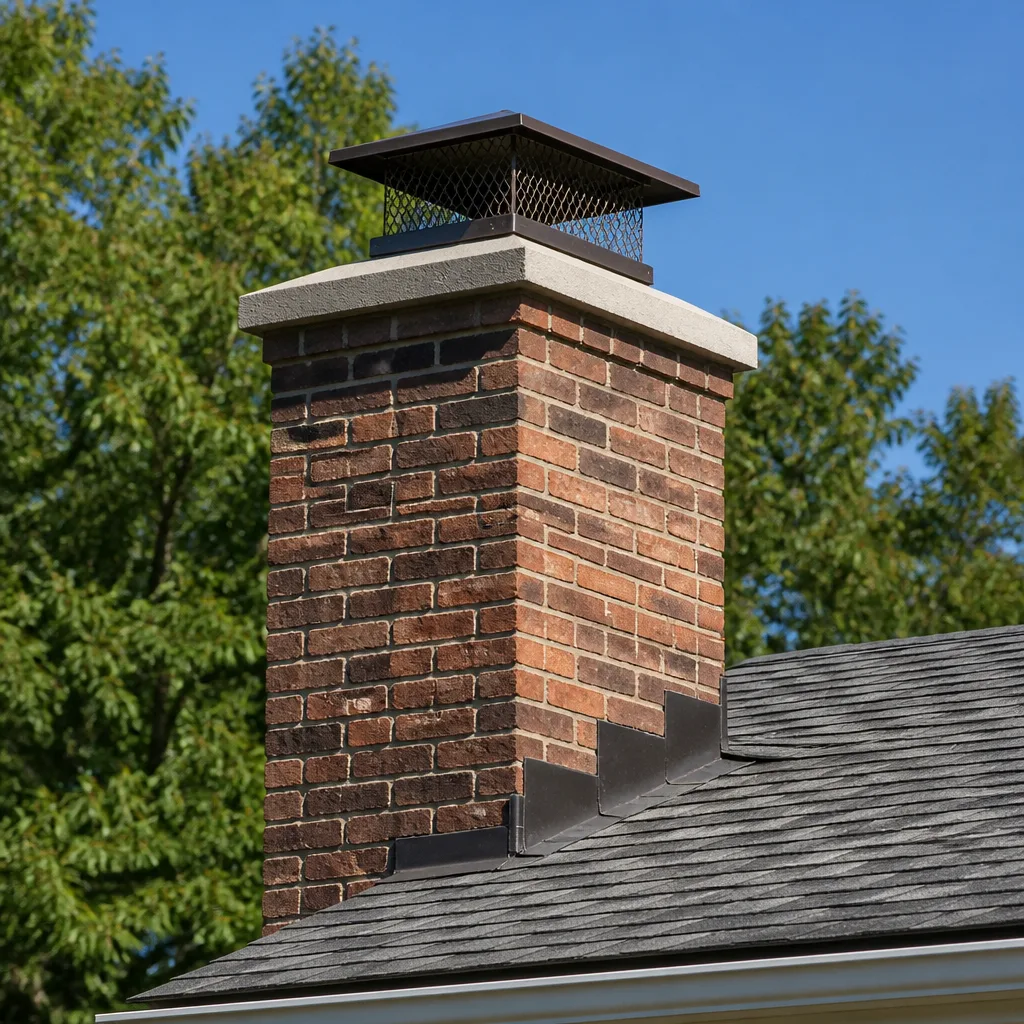
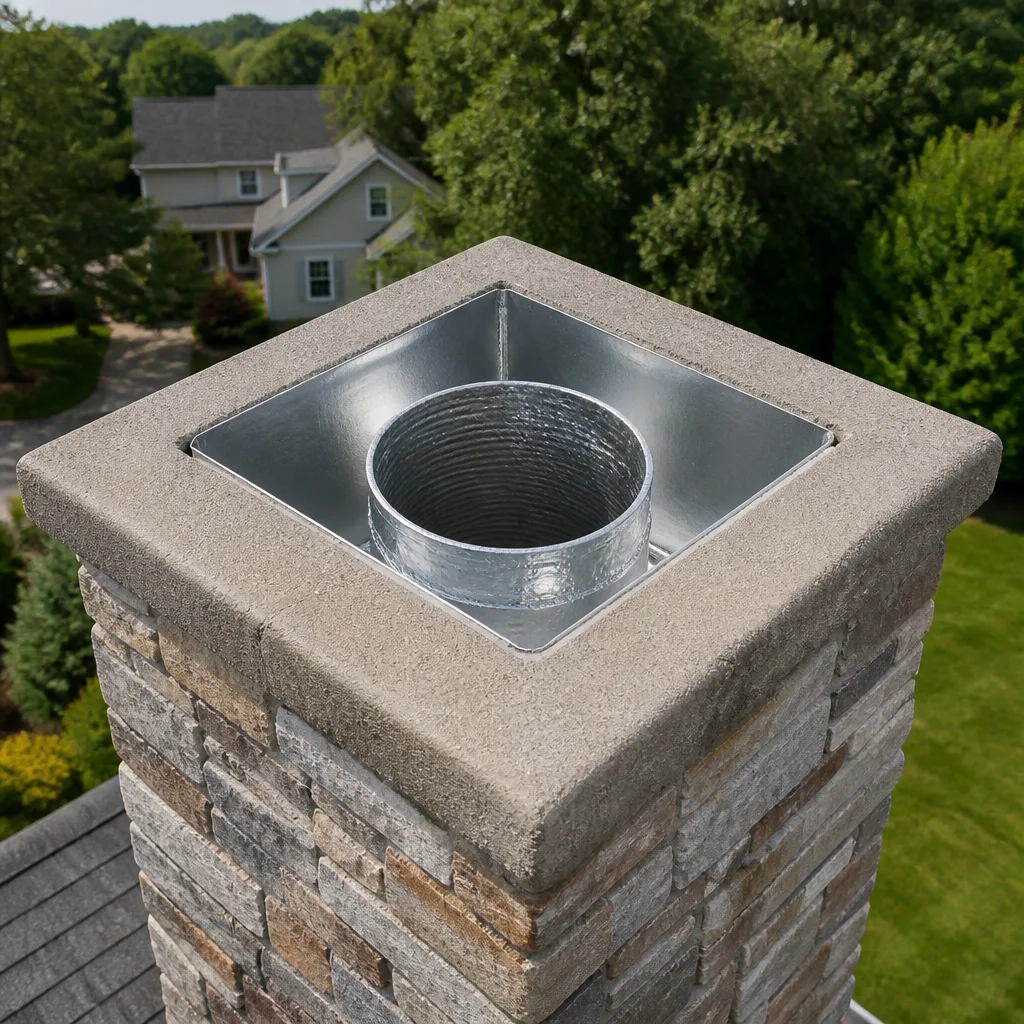
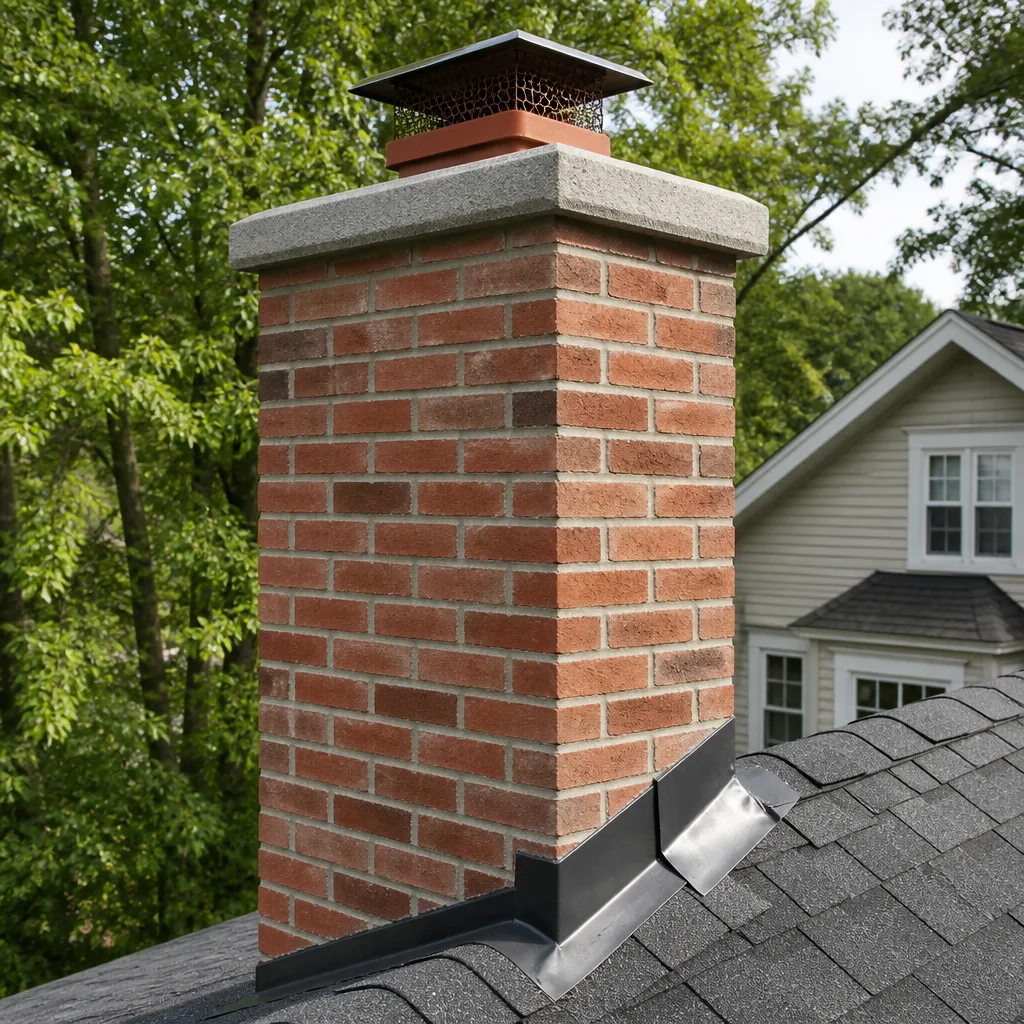
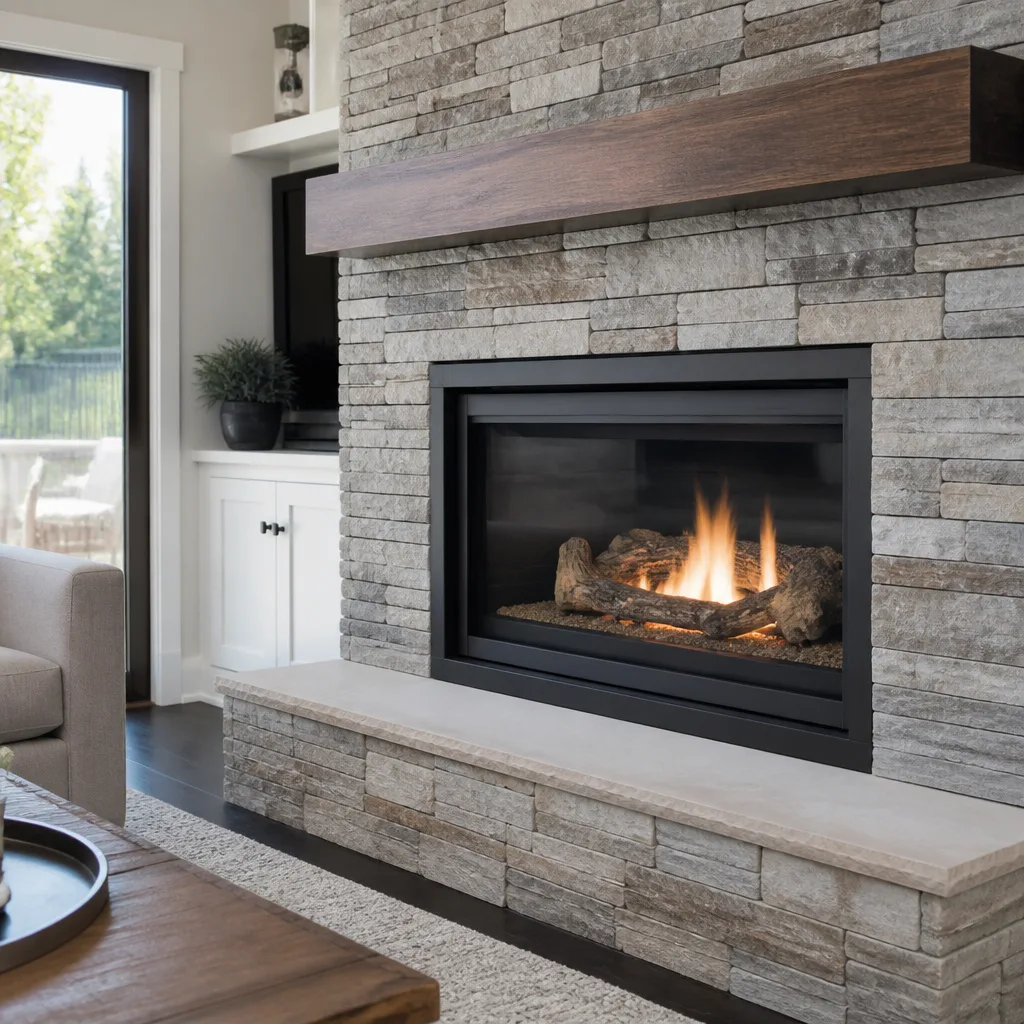
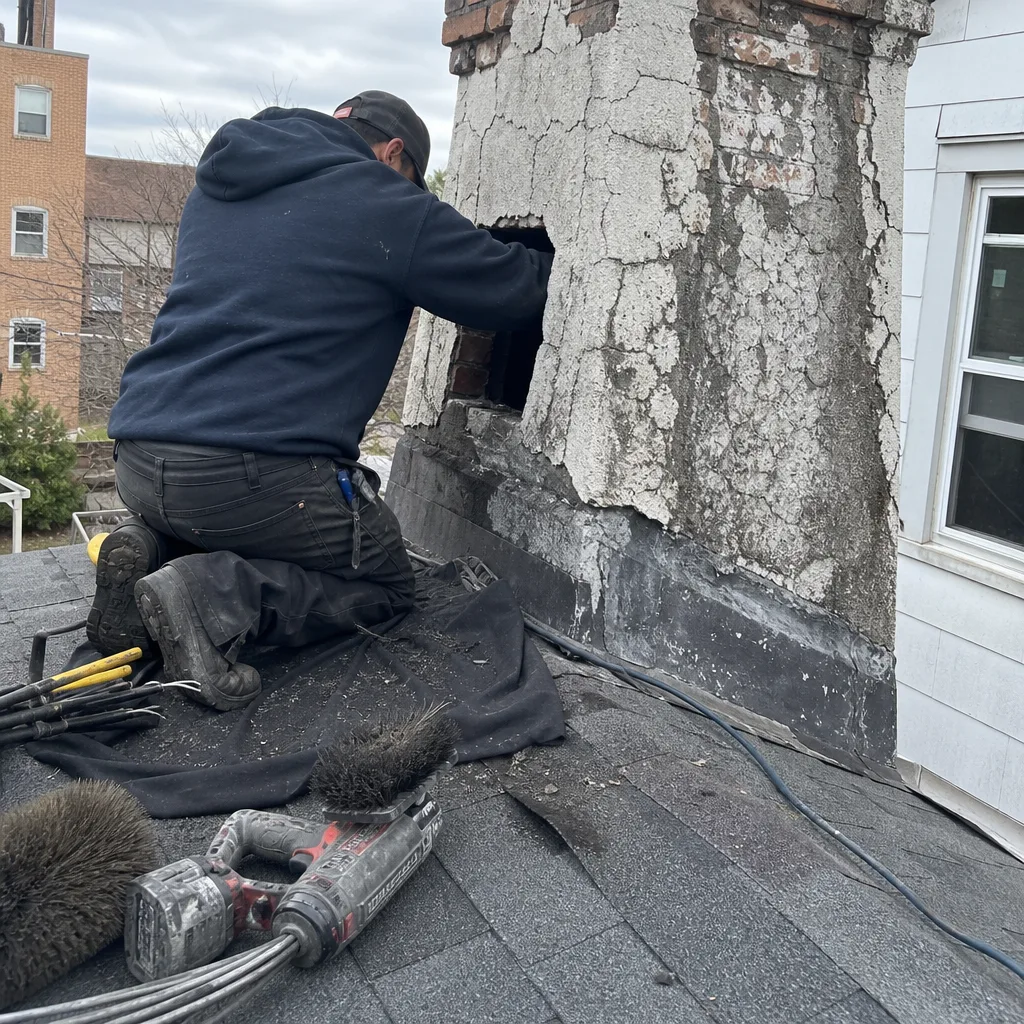 Before
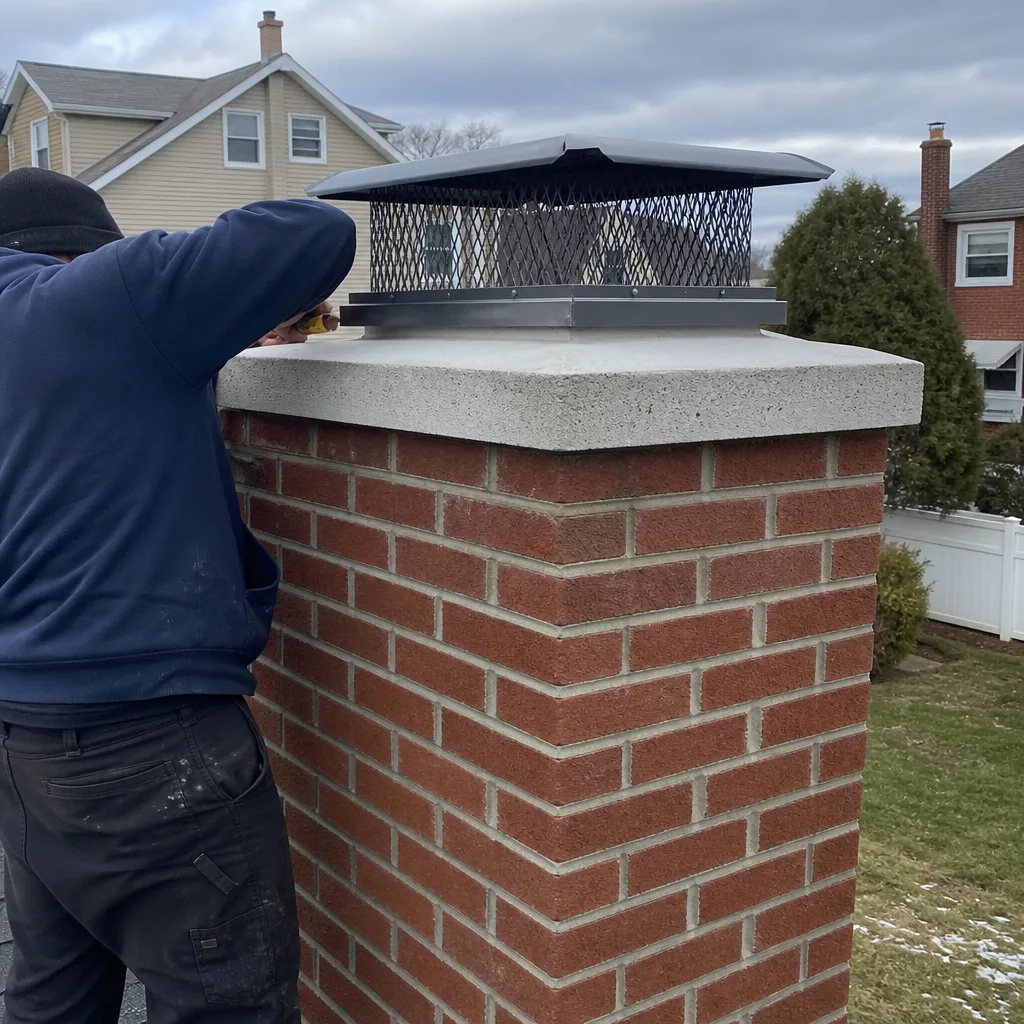 After
After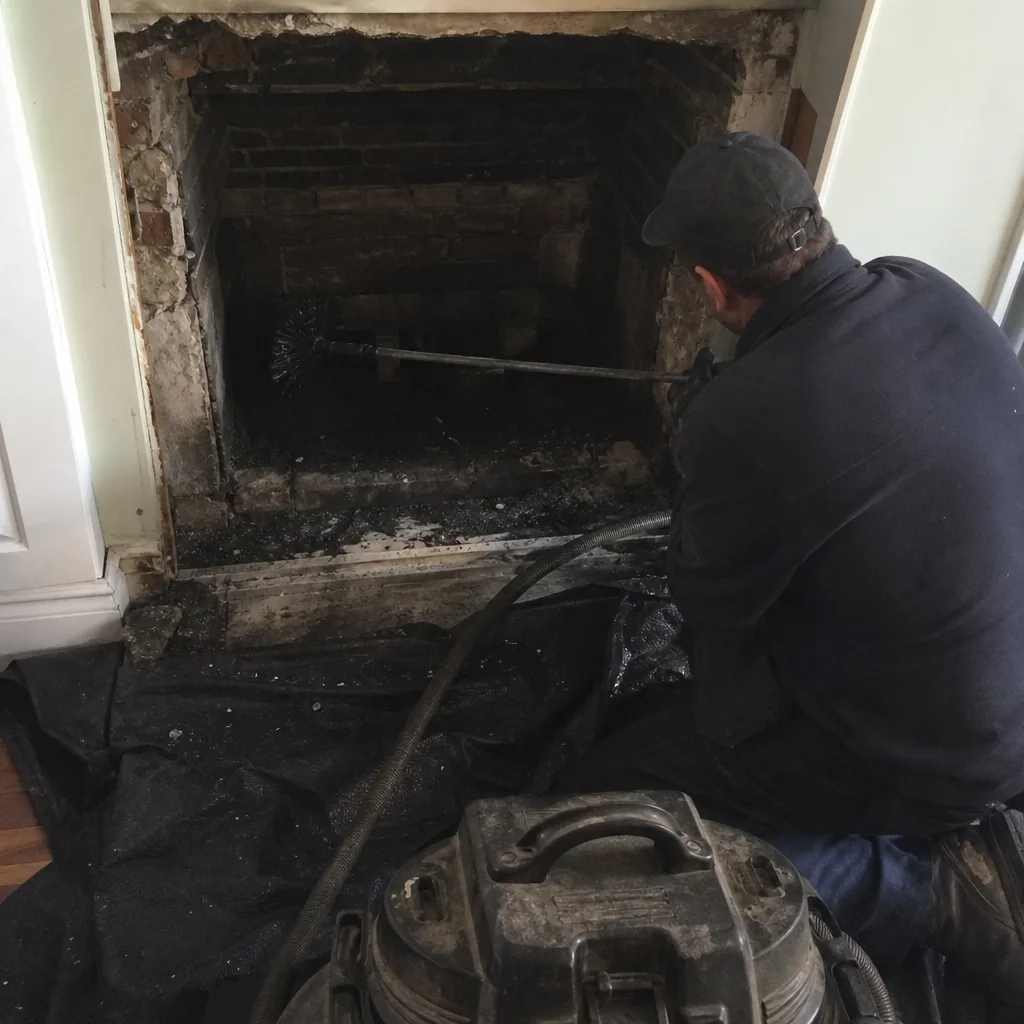 Before
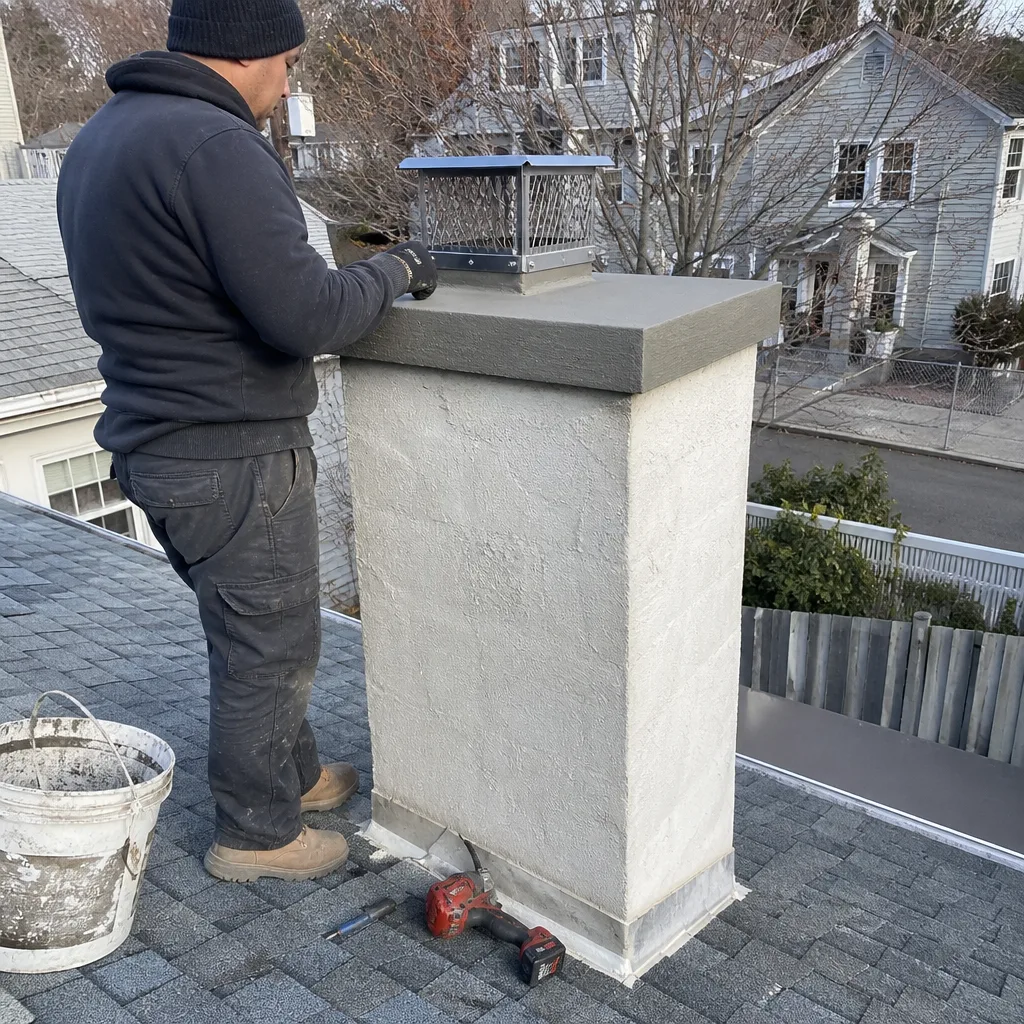 After
After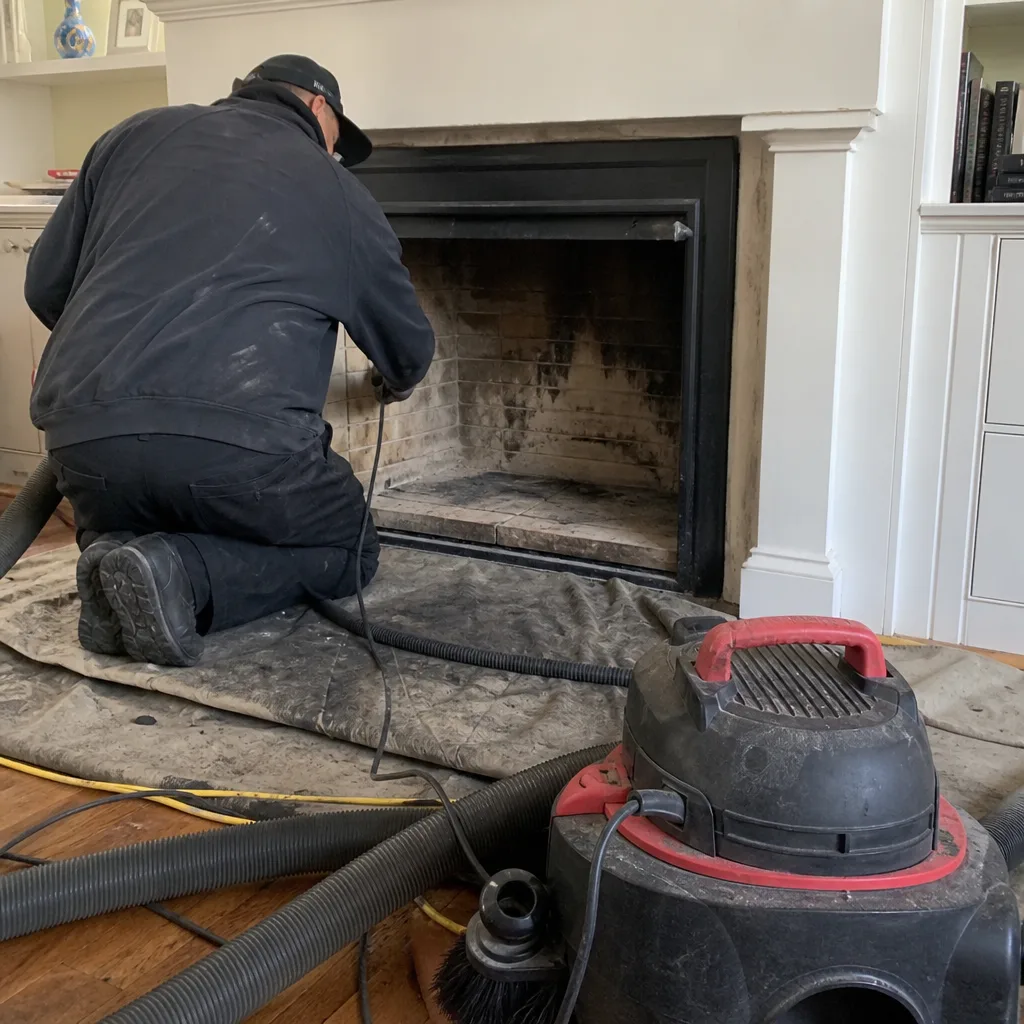 Before
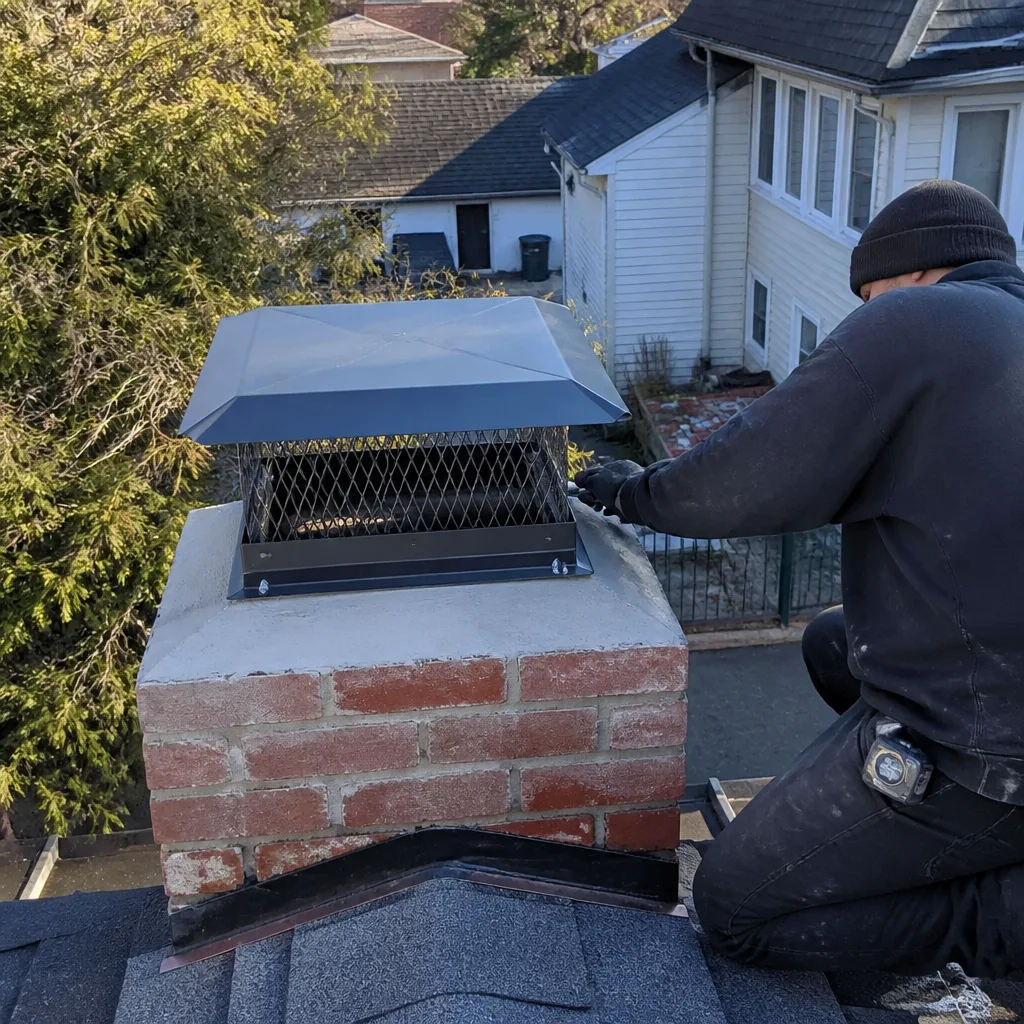 After
AfterChimney Cleaning & Sweep Maintenance Checklist for Jersey City Homeowners
The single most skipped item on every homeowner’s chimney checklist is the one that causes the most carbon monoxide calls we respond to in Jersey City: verifying that a gas appliance venting into a previously wood-burning flue was properly relined when the conversion happened. We’ve seen it dozens of times - a family buys a charming brownstone in The Heights, assumes the previous owner handled the oil-to-gas switch correctly, and never thinks to confirm the flue liner matches the new fuel type. This guide - like our Complete Guide to Chimney Cleaning in Jersey City - is built around the realities of Jersey City housing stock, not a national template. You’ll learn what to check month by month, what past conversions may have left undone, how to document your chimney’s condition year-over-year, and which skipped items can void your insurance when something goes wrong.
Quick Answer
Jersey City homeowners should have their chimney swept and inspected annually before heating season begins, with monthly self-checks of the firebox, damper, and visible exterior masonry during use. A proper maintenance checklist must account for local factors: oil-to-gas conversions with orphaned flues, Hudson River wind exposure on aging brick, and fireplace inserts installed without liner upgrades. Document everything with dated photos, and never assume a previous owner’s contractor completed the conversion work to current code.
Table of Contents
- Month-by-Month Chimney Maintenance Calendar for Jersey City
- The Conversion Checklist: Oil-to-Gas and Wood-to-Gas Flue Upgrades
- What Homeowners Can Safely Check Themselves
- What Requires a Camera and a Certified Sweep
- How to Document Your Chimney Year-Over-Year
- Checklist Items That Affect Your Homeowner’s Insurance
- Professional-Grade Materials Matter
Month-by-Month Chimney Maintenance Calendar for Jersey City
Jersey City’s heating season runs roughly mid-October through mid-April, with shoulder months that matter more than most homeowners realize. The Hudson corridor’s humidity patterns - heavy summer moisture followed by dry winter winds - create expansion and contraction cycles that punish masonry. Our calendar reflects what we’ve learned from four decades of calls across Bergen-Lafayette, Journal Square, Paulus Hook, and the waterfront towers.
September: Schedule Your Level-2 Inspection and Sweep
This is your critical window. Every certified sweep in northern New Jersey books solid by October 1st. Waiting until the first cold snap means waiting three weeks or more. We recommend Jersey City homeowners book their annual Chimney Cleaning & Sweep in Jersey City by Labor Day.
What happens during this visit:
- The technician runs a visual scan of accessible exterior masonry, looking for spalling brick, deteriorated mortar joints, and crown cracks.
- A chimney camera is sent up the flue to document creosote buildup, liner condition, and any obstructions.
- The firebox, smoke shelf, and damper assembly are cleaned and inspected for proper operation.
- You receive dated photos and a written verdict - not a vague “looks fine,” but specific measurements and recommendations with priority rankings.
October: Pre-Heating Season Self-Check
After your professional sweep but before first use:
- Open the damper fully. It should move smoothly and seat completely when closed.
- Check the firebox for new cracks since last season - even hairline cracks in Jersey City’s older brick can widen fast.
- Test your smoke and carbon monoxide detectors. Replace any unit over ten years old.
- Verify your chimney cap is secure. Hudson River gusts loosen caps regularly; we’ve found them in neighbor’s yards from Downtown to Greenville.
November Through March: Monthly Checks During Active Use
Once you’re burning regularly:
- Visual inspection of visible exterior masonry: From ground level or a safe window vantage, scan for new white efflorescence (salt deposits signaling water intrusion), missing mortar, or displaced bricks. In Jersey City’s freeze-thaw climate, a small mortar gap in November becomes a loose brick by February.
- Firebox check after every tenth fire: Look for creosote flakes accumulating on the smoke shelf, and note any unusual odors - a sour smell often means moisture mixing with residue, common in our humid shoulder seasons.
- Damper operation: If it’s sticking or noisy, the hinge pin may be corroding from salt air exposure. Don’t force it.
- Carbon monoxide detector test: Press the test button monthly. If you have a gas insert or log set, this is non-negotiable.
April: Post-Season Documentation
Before you forget what happened this winter:
- Photograph the firebox, damper, and any exterior masonry concerns while they’re fresh in memory.
- Note the number of fires you burned, any fuel changes, and any performance issues (smoke spillage, poor draft, unusual odors).
- File these with your professional inspection report. This paper trail becomes valuable if you sell, file an insurance claim, or need to prove maintenance history.
May Through August: Off-Season Monitoring
Jersey City’s summer humidity is harder on chimneys than many realize. Moisture absorbed by porous brick expands; when autumn drying begins, the stress accelerates deterioration. During these months:
- Check your chimney cap and crown after severe storms. Water entry in summer leads to freeze damage in winter.
- Look for vegetation growth in mortar joints - a sign of sustained moisture that needs addressing.
- Schedule any recommended repairs from your fall inspection. Sweeps and masons have better availability, and materials cure more predictably in warm weather.
The Conversion Checklist: Oil-to-Gas and Wood-to-Gas Flue Upgrades
This section addresses the problem we opened with. Jersey City’s housing stock includes thousands of homes that converted from coal or oil to natural gas, or from wood-burning to gas inserts, often decades ago. The work was frequently done by heating contractors who understood boilers but not chimney dynamics. The result is a category of hidden hazard we encounter regularly.
The Orphaned Flue Problem
When a heating system is converted, the old flue may be “orphaned” - left carrying only the water heater’s exhaust, or abandoned entirely. In other cases, a new high-efficiency appliance is vented through a sidewall, leaving the chimney with no warming draft. The remaining flue tiles, designed for hotter oil or wood exhaust, now stay cold and wet. We’ve pulled collapsed liner sections from chimneys in Hamilton Park and Van Vorst Park where the homeowner had no idea the flue was deteriorating overhead.
Your conversion checklist:
- Confirm the liner material matches the fuel. Gas appliances require specific liner ratings. A clay tile liner rated for wood burning may not be adequate for condensing gas exhaust.
- Verify proper sizing. The liner diameter must match the appliance’s BTU output and venting requirements. An oversized flue for a gas water heater causes condensation; an undersized one causes spillage.
- Check for liner continuity. The liner must run from appliance connection to chimney top without gaps. We’ve found conversions where the liner stops at the smoke chamber, leaving raw flue gases against old masonry.
- Look for a proper chimney cap and termination. Gas liners require specific cap designs to prevent downdraft while allowing adequate venting.
- Document the conversion date and contractor. If you don’t have this, assume it was done to minimum standards and verify independently.
Fireplace Insert Installations
Gas inserts are popular in Jersey City’s older homes for good reason. They’re cleaner and more efficient. But they’re often installed without relining the existing flue, or with a “direct vent” kit that the homeowner assumes handles everything. In our experience, roughly one in three insert installations we inspect has a venting issue that was present from day one.
Specific checks for insert owners:
- Request the installation manual for your insert model. Verify that the installed venting configuration matches the manufacturer’s approved methods.
- Confirm whether your insert uses the existing chimney as a chase (enclosure) for new venting, or vents directly through the wall. These are fundamentally different approaches with different maintenance needs.
- If you smell any gas odor near the fireplace, exit the home and call your gas utility immediately. Do not attempt to diagnose this yourself.
For any conversion concerns, Chimney Repair in Jersey City should include a Level-2 camera inspection to verify liner condition and proper appliance connection. Photos you can see, a plain-English verdict - that’s the standard we apply.
What Homeowners Can Safely Check Themselves
We’re straightforward about what homeowners can handle and what requires training and equipment. The items below involve no ladder work beyond a sturdy step stool, no tools beyond a flashlight, and no disassembly of components.
From the Firebox
- Damper operation: Open and close fully. Note any grinding, catching, or incomplete closure. A damper that won’t seal costs you heated air all winter.
- Firebox walls and floor: Look for cracks wider than a credit card, spalling (flaking) brick or refractory panel, and any gaps where panels meet. In Jersey City’s pre-war housing, settling often creates step-cracks in the firebox that widen over time.
- Smoke shelf: Shine a flashlight up past the damper. The smoke shelf should be relatively clear of debris. A significant buildup of soot or fallen mortar indicates it’s time for a professional cleaning.
- Hearth extension: Verify it extends the required distance in front of and beside the opening. If you’ve added flooring that reduced this clearance, that’s a code issue and a fire hazard.
From Ground Level Outside
- Chimney lean or plumb: Step back and sight up the chimney. Any noticeable tilt, especially in older homes near the waterfront where foundation settling is common, warrants professional evaluation.
- Crown condition: Look for cracks, missing chunks, or pooling water. The crown is your chimney’s umbrella; when it fails, everything below gets wet.
- Cap presence and security: Is it there? Is it straight? Are the mesh sides intact? Missing caps invite animals, debris, and direct water entry.
- Flashing at the roofline: You may be able to see gaps, lifted edges, or rust stains on siding below. Don’t climb to investigate - that’s where falls happen.
From Inside the Home
- Wall and ceiling stains near the chimney: Brown rings or bubbling paint on the chimney breast indicate water entry, often from failed flashing or crown cracks.
- Musty odors after rain: Even without visible stains, persistent damp smells near the fireplace suggest moisture intrusion in the chimney structure.
- Draft test: With the damper open and no fire, hold a lit incense stick or thin strip of toilet paper near the firebox opening. It should draw gently upward. Reverse draft (smoke or paper pushing into the room) indicates a blockage, cold flue, or negative pressure issue in your home.
What Requires a Camera and a Certified Sweep
Some conditions simply cannot be assessed without specialized equipment and training. We flag these specifically because we’ve seen homeowners attempt workarounds that ended badly.
Level-2 Camera Inspection
The National Fire Protection Association Standard 211 requires a Level-2 inspection at property transfer, after chimney fire or seismic event, and upon change of appliance or fuel type. In practice, we recommend one every three to five years for continuous-use chimneys, and annually if you’re in an older home with any conversion history.
What the camera reveals that you cannot see:
- Creosote buildup patterns: Stage 3 glazed creosote looks almost shiny and requires chemical treatment before mechanical removal. It’s a leading cause of chimney fires and cannot be identified by flashlight alone.
- Liner gaps and displacement: Clay tile liners crack, shift, and separate. A gap of even half an inch can allow flue gases into the chimney structure - gases that include carbon monoxide.
- Mortar joint deterioration between flue tiles: This “parging” failure is invisible from below and creates the same hazard as a liner gap.
- Obstructions: Bird nests, collapsed liner sections, and construction debris from decades past. We’ve found all three in Jersey City chimneys that appeared “fine” from below.
Roofline and Above-Roof Masonry
We do not recommend homeowner inspection of above-roof chimney components. Jersey City’s rowhouse and brownstock roofs are steep, often slate or tile, and always dangerous in damp or windy conditions. Our technicians use proper fall protection and roof ladders. The cost of a professional evaluation is trivial compared to an emergency room visit or worse.
What we assess above the roof:
- Crown integrity and proper overhang beyond the chimney edge
- Flue liner termination height and condition
- Cap fit and mesh condition
- Counter-flashing and step-flashing integration with roofing
- Spalling brick and mortar loss on the exposed chimney stack
Combustion Analysis
Gas appliance venting requires combustion analysis to verify proper draft, CO levels, and spillage under operating conditions. This requires calibrated equipment and training. No homeowner should attempt to assess gas venting by smell or observation alone.
How to Document Your Chimney Year-Over-Year
The homeowners who avoid emergency repairs are the ones who can show a technician - or an insurance adjuster - exactly when a problem began and how it progressed. Documentation is not bureaucratic excess. It’s the tool that turns “sudden collapse” into “observed deterioration with recommended repair,” which is the difference between a covered claim and a denied one.
Your Annual Documentation File
Create a physical or digital folder for each chimney in your home. Some Jersey City properties have two or even three flues (original fireplace, later heating system, perhaps a kitchen exhaust). Maintain separate records for each.
- Professional inspection report: The written document with technician notes, photos, and recommendations. If your sweep doesn’t provide this, find one who does.
- Your dated photographs: Same angles every year - firebox wide shot, damper close-up, hearth extension, exterior from street, crown from ground level if visible. Label with date and any observations.
- Repair invoices with scope descriptions: Not just “chimney repair - $1,200” but detailed breakdown of what was done, materials used, and warranty terms.
- Fuel and appliance change records: Dates, contractor names, model numbers, and installation permits if available.
- Your own monthly check notes: Brief dated entries: “Nov 15 - damper sticking, lubricated hinge,” “Jan 8 - slight smoke spillage on startup, improved after 10 minutes.” These patterns matter.
What to Photograph After Every Sweep
Request that your technician show you the camera footage. Most will. Take your own photos of the screen showing:
- The flue liner at multiple heights
- The smoke chamber and damper area from below
- Any areas flagged for monitoring
These become your baseline. When we return in three years and show a homeowner that a crack has widened from 1/8 inch to 3/8 inch, the repair recommendation is no longer abstract. It’s documented fact.
Checklist Items That Affect Your Homeowner’s Insurance
This is where skipped maintenance becomes expensive beyond repair costs. We’ve worked with Jersey City homeowners whose claims were denied for reasons that were entirely preventable.
The Maintenance Clause
Most homeowner’s policies contain a maintenance clause that excludes damage from “wear and tear, deterioration, or lack of maintenance.” Insurance covers sudden, accidental damage - a lightning strike, a tree fall. It does not cover a chimney that collapses because mortar joints were allowed to deteriorate over fifteen years.
Specific checklist items with insurance implications:
- Annual professional inspection: A documented annual inspection by a certified sweep is your best defense against a claim denial. It proves you maintained the chimney responsibly.
- Prompt repair of recommended items: If your 2023 inspection recommended crown repair and you deferred it, and the crown fails in 2025 causing interior water damage, your carrier may deny the interior claim as consequential to neglected maintenance.
- Proper appliance installation and permitting: Unpermitted work, or work not to code, can void coverage entirely. This is especially relevant for gas conversions and fireplace inserts.
- Carbon monoxide detector maintenance: Some policies now include detector requirements. A CO incident in a home without functioning detectors may reduce or eliminate liability coverage.
- Documentation of fuel changes: If you converted to gas and didn’t inform your insurer, a gas-related chimney incident may not be covered. Your policy was written for a wood-burning or oil-fired system.
When Documentation Saves the Claim
We inspected a chimney in the Bergen-Lafayette area where a section of above-roof brick had fallen during a windstorm. The homeowner had fifteen years of annual inspection reports showing stable masonry, plus photos from the previous spring showing no visible defects. The insurer covered the damage as sudden and accidental - because the documentation proved it wasn’t gradual deterioration. Without that paper trail, the same damage would likely have been denied.
Professional-Grade Materials Matter
When repairs are needed, the materials used determine whether the fix lasts five years or twenty-five. We specify professional-grade products because we’ve seen what happens with substitutes.
For liner installations and relining, we work with DuraFlex and HeatShield - systems engineered for specific fuel types and venting conditions. DuraFlex’s stainless steel liners carry appropriate UL listings for gas, oil, and solid fuel applications. HeatShield’s cerfractory resurfacing system restores deteriorated smoke chambers without full reconstruction, a significant cost savings in Jersey City’s tighter spaces where scaffolding access is limited.
For crowns, caps, and exterior repairs, Copperfield and Famco provide components that withstand Hudson River salt air and temperature swings. A Famco stainless chimney cap with proper mesh sizing keeps animals out without clogging with creosote. Copperfield’s crown repair compounds cure with the flexibility to absorb thermal movement - critical in our freeze-thaw climate.
We do not use builder-grade substitutes. The number on the estimate is the number on the invoice, and the materials are what we specify. Done right - and we stand behind it.
Common Mistakes to Avoid
- Assuming a clean firebox means a clean flue. The visible firebox is the easy part. Creosote accumulates on the smoke shelf and upper flue where you cannot see it. We’ve swept chimneys with pristine fireboxes and dangerous glazed buildup above.
- Using the chimney as a vent for new appliances without evaluation. A kitchen exhaust, bathroom fan, or dryer vent connected to an existing chimney creates pressure conflicts and fire hazards. This is more common in Jersey City’s renovated multi-families than homeowners realize.
- Ignoring efflorescence as “just staining.” White powder on exterior brick is mineral salts left by evaporating water. It signals active moisture intrusion that will destroy mortar joints. Address the water source, not just the cosmetic stain.
- Deferring crown repair because “it’s just the top.” The crown protects everything below. A $400 crown repair deferred becomes a $4,000 rebuild when water saturates the masonry below.
- Trusting a home inspector’s chimney assessment at purchase. General home inspectors are valuable, but they’re not chimney specialists. We’ve found critical liner gaps that home inspectors missed because they don’t run cameras. Budget for a Level-2 inspection with your purchase.
- Burning improper materials. Pressure-treated lumber, painted wood, and household trash release chemicals that accelerate liner deterioration and create toxic deposits. In Jersey City’s dense housing, this also affects neighbors’ air quality.
- Neglecting the off-season. Summer humidity does more damage than winter cold. The homeowners who check their chimneys in July catch problems before autumn demand drives up prices and extends wait times.
When to Call a Professional
Call a certified sweep immediately if you observe any of the following - as detailed in our Chimney Cleaning Warning Signs guide - starting with smoke or fumes entering your living space; a chimney fire (roaring sound, dense smoke, hot exterior masonry); visible cracks in the flue liner on any inspection; a leaning chimney or separating from the house; or any gas odor near a fireplace or appliance. These are not maintenance items. They’re safety hazards.
For routine concerns - annual sweeping, conversion verification, documentation of condition - schedule before you need heat. Hearthstone Chimney Co. offers free estimates in Jersey City. A live person answers our phones 24 hours a day, 7 days a week. Call (732) 507-9649 to book your inspection or discuss any item on this checklist.
Frequently Asked Questions
A standard Level-1 sweep and inspection for a single-flue chimney in Jersey City typically runs $200-$350, while a Level-2 inspection with camera documentation ranges from $300-$500 depending on accessibility and flue configuration. Homes with gas inserts, multiple flues, or conversion histories require more time and specialized evaluation. Hearthstone Chimney Co. provides no-hassle upfront pricing - the number on the estimate is the number on the invoice. Call (732) 507-9649 for an exact quote; estimates are free.
You need a new liner when the existing one is cracked, improperly sized for your current fuel, or missing entirely - and not before. We make this determination with camera evidence you can see, not a sales pitch. In Jersey City, we frequently find clay tile liners that are sound for wood burning but inadequate for a gas conversion done years ago. If the liner is damaged but the appliance is not in active use, we’ll tell you that plainly. Nothing is recommended without documentation, and we’ll say clearly when work can safely wait.
The National Fire Protection Association recommends annual inspection, with sweeping as needed based on creosote accumulation. For wood-burning fireplaces used regularly through Jersey City’s heating season, that typically means annual sweeping. Gas appliances venting properly through intact liners may need less frequent mechanical cleaning but still require annual inspection for condensation damage, liner deterioration, and proper draft. The specific answer depends on your fuel, appliance, and usage - which is why we don’t quote maintenance schedules without seeing the system.
Skipped maintenance leads to three predictable outcomes: chimney fire from accumulated creosote, carbon monoxide intrusion from compromised venting, and structural damage from water infiltration. In Jersey City’s dense, older housing, any of these can affect neighboring units as well. The cost of prevention - an annual inspection at roughly the price of a dinner out - is negligible against the cost of remediation, which can run to thousands or, in the case of fire or CO poisoning, be measured in lives. Call (732) 507-9649 to schedule before heating season.
Mechanical sweeping of a wood-burning flue is physically possible for a homeowner with proper brushes, rods, and rooftop access, but we do not recommend it. The work is messy, the roof access dangerous, and without camera inspection you cannot verify the results. For gas systems, DIY sweeping is inappropriate - combustion analysis and liner evaluation require training and equipment. Our background-checked, uniformed technicians complete most jobs in a single visit, with documented results. The modest cost buys safety and certainty.
Sweeping is the mechanical removal of combustible deposits. Inspection is the evaluation of system condition and safety. They often occur together but are distinct services. A sweep without inspection misses liner cracks and other hazards. An inspection without sweeping may be limited by heavy creosote deposits. Hearthstone’s standard service combines both, with Level-2 camera inspection available when the property history or visible conditions warrant deeper evaluation.
Jersey City follows the New Jersey Uniform Construction Code, which requires permits for structural chimney repairs, liner replacements, and new appliance installations. Maintenance sweeping does not require permitting. We handle permit applications as part of our repair and installation services, and we pull permits for all work that requires them. Unpermitted work can void insurance coverage and create liability issues at sale. If a contractor suggests skipping the permit to save money or time, that is a red flag.
The Bottom Line
Jersey City chimney maintenance is not a generic checklist. It’s a disciplined practice that accounts for your home’s specific fuel history, the Hudson corridor’s punishing weather, and the documentation habits that protect your investment and safety. Sweep annually before heating season. Verify any conversion work with camera evidence. Document everything with dated photos. Address recommendations promptly, and never defer crown or flashing repairs. The homeowners who follow this approach rarely face emergencies - because they’ve prevented them.
Written by Russell Haines, Owner at Hearthstone Chimney Co., serving Jersey City since 2014.